
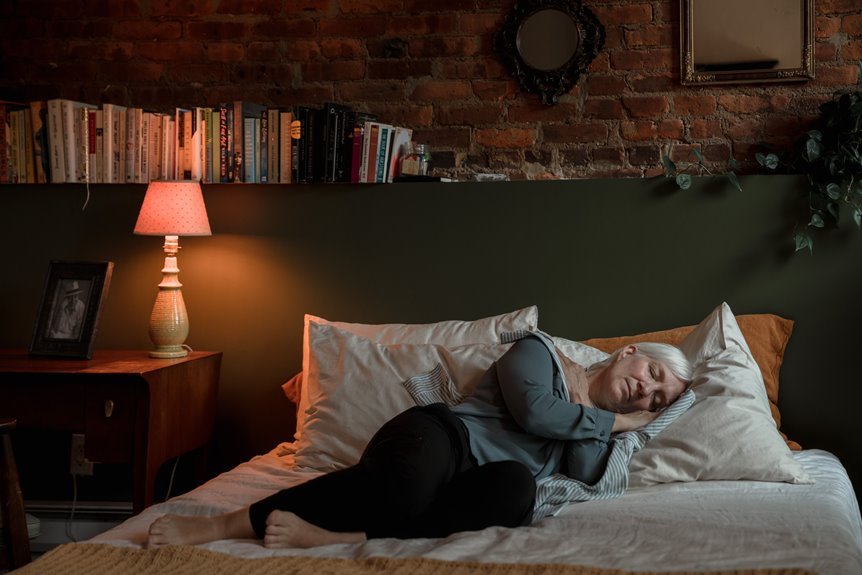
Hybrid mattresses work best for side sleepers because they blend memory foam’s contouring with coil support. The foam cushions your shoulders and hips, where you carry the most pressure, while coils underneath keep your spine neutral and prevent excessive sinking. Aim for medium firmness around 5-6 on a 10-point scale. This balance provides relief without sacrificing alignment. Features that matter most include adequate shoulder and hip support, sufficient cushioning in pressure zones, and proper spinal alignment throughout the night.
Memory Foam for Side Sleepers: Shoulder and Hip Relief
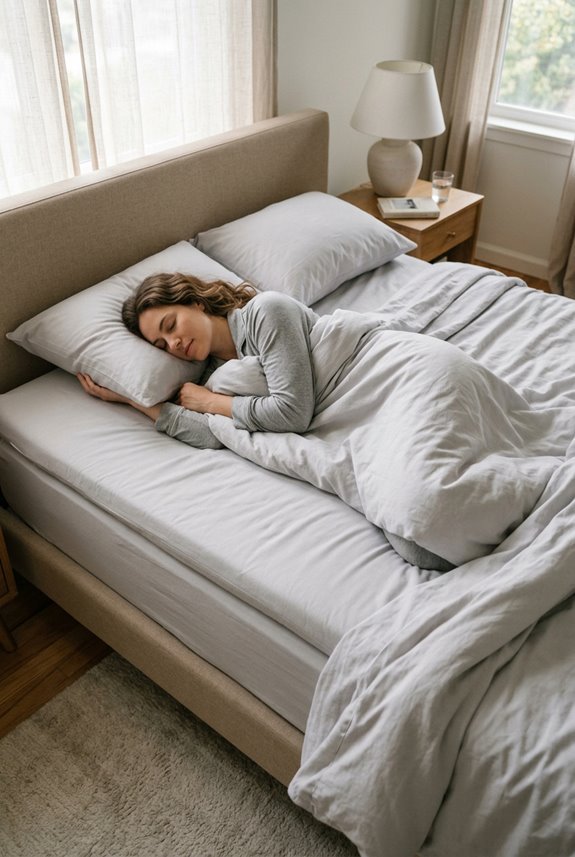
Why do so many side sleepers wake up with shoulder and hip pain? Memory foam answers that question by contouring to your body’s unique shape. When you sleep on your side, your shoulders and hips bear most of your weight. Memory foam cushions these pressure points, giving them the relief they need.
Quality memory foam mattresses like the Helix Midnight Luxe use multiple foam layers specifically designed for side sleepers. They cradle your shoulders and hips while keeping your spine properly aligned throughout the night. The Nectar Premier takes this further with its medium-soft firmness and cooling features, preventing heat buildup in those sensitive zones.
This contouring support improves sleep quality by reducing pressure-related discomfort.

COMFORTABLE HYBRID SUPPORT - The NEO SLEEP 12 inch Queen Mattress ensures ultimate comfort and balanced support. Soft memory foam layers relieve pressure and reduce fatigue. Responsive pocket springs adapt to your body shape and help maintain natural spine alignment, ensuring the right amount of support to your shoulders and hips. Comfortable for back, stomach, and side sleepers.

COMFORTABLE HYBRID SUPPORT - The NEO SLEEP 10 inch Twin Mattress ensures ultimate comfort and balanced support. Soft memory foam layers relieve pressure and reduce fatigue. Responsive pocket springs adapt to your body shape and help maintain natural spine alignment, ensuring the right amount of support to your shoulders and hips. Comfortable for back, stomach, and side sleepers.
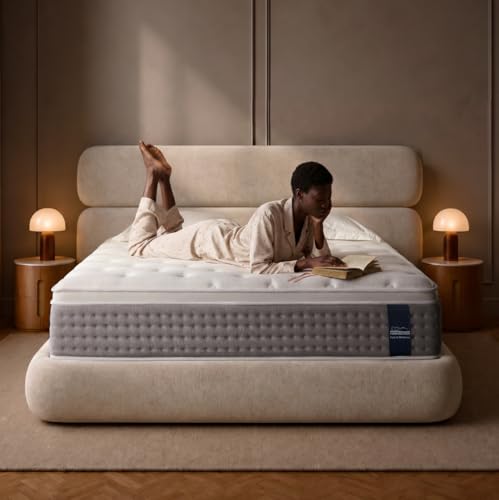
SLEEP YOUR WAY — SIDE, BACK, OR STOMACH:The pcukemus 12‘’ Queen Hybrid Mattress is designed to adapt to the way you sleep. Plush comfort foams, including gel memory foam and responsive support foam, gently cushion pressure points while helping maintain proper spinal alignment. Beneath it all, individually wrapped pocket coils provide balanced support and responsive comfort throughout the night
Hybrid Mattresses for Side Sleepers: Cushioning and Support
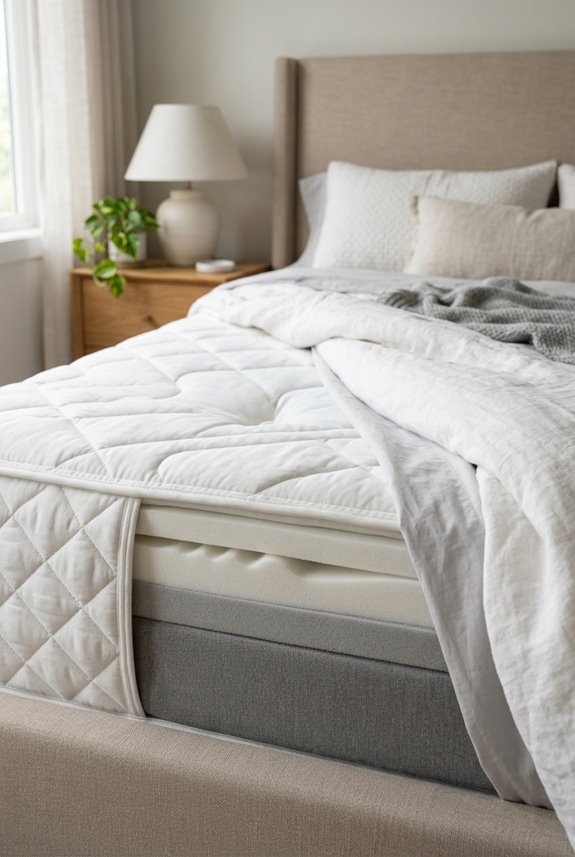
When you’re a side sleeper, hybrid mattresses provide the best of both worlds. The soft memory foam layer cushions your shoulders and hips while the coil system underneath keeps your spine aligned and prevents sagging. The memory foam sinks approximately 4-6 inches deep to relieve pressure points, while the pocketed coils support your midsection and edges to minimize rolling during the night. This combination delivers targeted comfort where needed most and provides the stability necessary for maintaining a healthy sleeping position throughout the night.
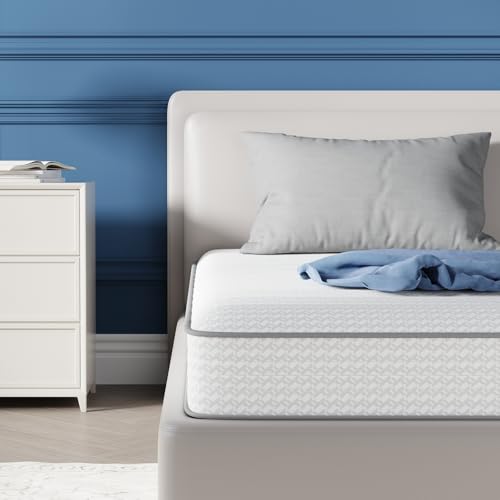
Strong Support with SmartS Coil – Mattress with SmartS Coil springs adapts to your body, promotes spinal alignment, eases pressure points, and delivers reliable comfort for all sleep positions.
![Zinus 6 Inch Foam and Spring Hybrid Mattress [New Version], Twin, Medium Firmness, Durable Support, Certified Safe Foams & Fabric, Mattress in A Box, White](https://m.media-amazon.com/images/I/41ux+87BAmL._SL500_.jpg)
TRADITIONAL SUPPORT, BETTER FOR THE PLANET – This reliably comfortable hybrid will provide even support night after night and arrives to you in a new smaller box that reduces its carbon footprint
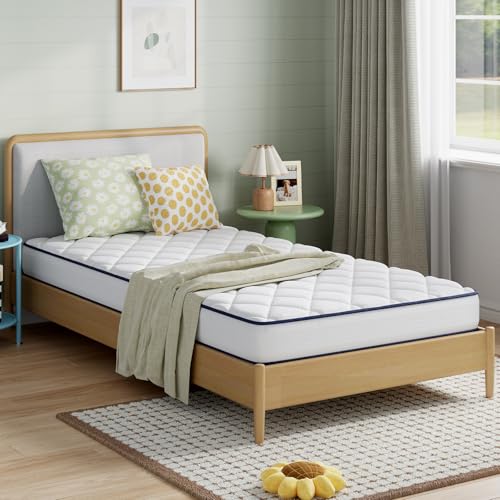
Balanced Support Spring System: The Bonnell spring twin xl mattress uses interconnected coils that are designed to distribute body weight and conform to natural curves, providing balanced support to areas like shoulders/hips. It may help reduce pressure sensation and provide deep sleep all night.
Balancing Foam And Coils
The best hybrid mattresses for side sleepers combine two different materials to give you the comfort you need. The most effective designs layer memory foam with zoned coils underneath. This combination matters because the foam provides excellent pressure relief for your hips and shoulders, while the coil system delivers edge support and prevents you from sinking too far into the mattress.
When you’re a side sleeper, you want both cushioning and stability. The memory foam contouring cradles your body’s curves, reducing pressure points. Cooling gel foam in the top layers keeps you from overheating. The zoned coils beneath work harder where you need them most, typically around your middle, supporting your spine alignment.
Hybrid mattresses combine these elements to provide side sleepers with both comfort and proper spinal support.
Memory Foam Layer Benefits
How do you know if a memory foam layer will actually cushion your shoulders and hips? Memory foam hybrids deliver targeted pressure relief by contouring directly to your body’s curves. When you’re a side sleeper, this matters because your shoulders and hips bear most of your weight.
The best memory foam hybrid mattresses use multiple foam layers, like the Helix Midnight Luxe with its two adaptive Memory Plus layers, to cradle these pressure points without letting your midsection sink too far. This contouring keeps your spine aligned while you sleep on your side.
Memory foam hybrids consistently outperform other options for side sleepers seeking that cushioning balance. You get the support you need without sacrificing comfort in the areas that experience the most pressure.
Pressure Relief And Alignment
Why do some side sleepers wake up with shoulder and hip pain while others sleep comfortably through the night? The answer lies in pressure relief and alignment. Hybrid mattresses excel at addressing this challenge. They combine a cushion layer (typically 2-7 inches thick) with zoned coils underneath, creating a supportive cradle for your body. The memory foam contours to your shoulders and hips, while the coil support prevents you from sinking too deeply. This combination keeps your spine neutral, which is the optimal position for spinal health. A firmness level around 5-6 out of 10 works best for most side sleepers. Models like Saatva Classic and Helix Midnight Luxe deliver exceptional pressure relief scores and support proper spinal alignment throughout the night.
Latex Mattresses for Side Sleepers: Natural Contouring
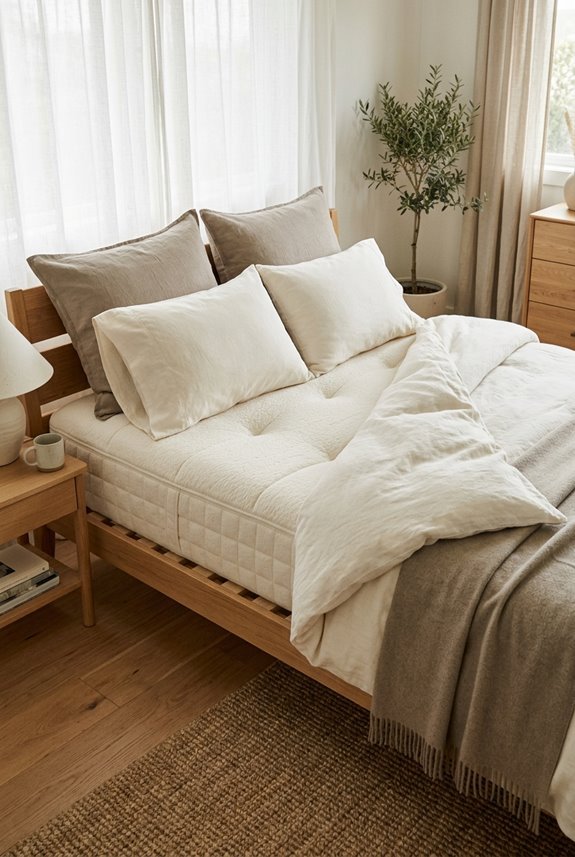
Looking for a mattress that cradles your shoulders and hips without letting you sink too deep? Latex mattresses deliver natural contouring that responds quickly to your body’s shape, providing support where it counts. Many options feature zoned support layers that cushion pressure points while keeping your spine aligned, creating targeted relief for your side-sleeping body.
Latex stands out for its responsiveness. Unlike memory foam, it bounces back fast, helping you reposition easily throughout the night. You’ll also notice better edge support, so you won’t feel like you’re rolling off the mattress. Latex’s breathable construction and perforations deliver cooling properties that keep heat-prone sleepers comfortable. Whether you’re lighter or heavier, you’ll find latex options that maintain the balance between comfort and alignment.

【Secure Fit, Sleep Undisturbed】 NightHug Mattress Topper features 4 elastic anchor straps that lock securely onto your mattress. No matter how much you move at night, the cover stays smooth and taut—no daily readjusting needed. Made from strong, stretchy material, it fits most standard mattress sizes perfectly
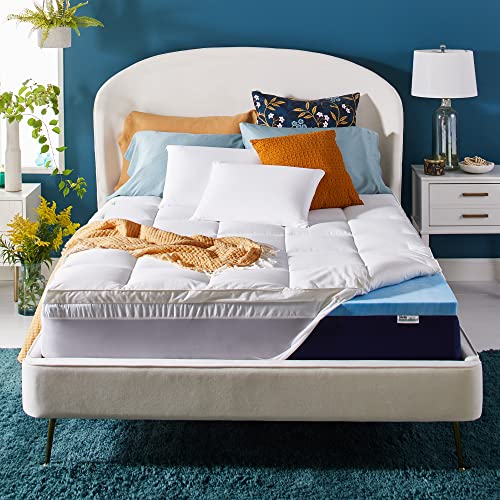
Dual Layer King Size Gel Memory Foam Mattress Topper: This luxurious 2 layer mattress topper features a 2 inch soft quilted pillow top cover with plush fiber fill and 2 inches of cooling gel memory foam for a medium feel

THICK MATTRESS PAD FOR BACK PAIN - The thickness is the first difference you can immediately feel between it and a common mattress pad. This mattress pad is overfilled with premium down alternative filling. Designed for people who need more cushioning, it provides great comfort and support to relieve back pain. Though thick like a foam topper, the breathable fiberfill won’t cause body overheat like memory foam during sleep. With it, your mattress will be as comfortable as those in luxury hotels
Innerspring Mattresses for Side Sleepers: Are They a Good Fit?
I want to help you understand whether innerspring mattresses can work well for side sleepers. Let’s examine three key factors: how the coils support and contour your body, whether motion transfer might bother a partner sleeping beside you, and why the edge support and durability of these mattresses matter for long-term comfort. Innerspring beds offer strong structural support through their coil systems, but they handle pressure relief differently than foam or latex options. By looking at these specific strengths and limitations, you can determine if an innerspring mattress fits your side-sleeping needs.

Premium Hybrid Construction:Engineered as a 12-inch hybrid mattress, combining premium memory foam with individually wrapped pocket springs for balanced comfort and support. Cushions shoulders, hips, and back while keeping your spine aligned for deep, restorative sleep

Deeper Luxury & Superior Support: Compared to 12 inch, Grbsy 14 Inch king hybrid mattress delivers deeper pressure relief and lasting sleep benefits. Comfort memory foam layers offer cloud-like contouring, while the pocketed spring base prevents sagging and ensures lasting support. King matress features innovative 7-zone ergonomic support, providing muscle relaxation and spinal support for side, back, or combination sleepers—balancing comfort and support for deep, restorative rest

Deeper Luxury & Superior Support: Compared to 12 inch, Grbsy 14 Inch queen hybrid mattress delivers deeper pressure relief and lasting sleep benefits. Comfort memory foam layers offer cloud-like contouring, while the pocketed spring base prevents sagging and ensures lasting support. Queen matress features innovative 7-zone ergonomic support, providing muscle relaxation and spinal support for side, back, or combination sleepers—balancing comfort and support for deep, restorative rest
Coil Support And Contouring
The foundation of any good mattress for side sleepers rests on how well it balances two things: sturdy support and pressure relief. Innerspring mattresses accomplish this through their coil support systems. Zoned coils reinforce areas under your shoulders and hips, where side sleepers need it most. This works because the contouring comfort layers on top, such as pillow-tops or foam, mold to your body while those coils keep you aligned. Hybrid mattresses combine coils with foam or latex, giving you both responsiveness and cushioning. Models like WinkBed deliver this balance. The result is edge support, pressure relief, and stable spinal alignment that allows for undisturbed sleep throughout the night.
Motion Transfer Concerns For Partners
While that coil support and contouring keeps you comfortable as a side sleeper, your sleep partner’s experience matters too, especially if you tend to move around at night. Innerspring mattresses with edge-to-edge support handle partner disturbance differently than memory-foam options. The Saatva Classic shows low motion isolation compared to some hybrid designs, meaning your sleeper movement transmits somewhat across the bed. However, its coil zoned system and strong edge support work together to contain motion near the edges where you’re likely shifting. This targeted support reduces the amount of disturbance your partner experiences when you adjust positions throughout the night. When sharing a bed, the balance between responsive support and reasonable motion control directly affects sleep quality for both sleepers.
Edge Support And Durability Benefits
How much edge support you get from an innerspring mattress matters when you’re a side sleeper. When you’re lying on your side, your shoulders and hips carry most of your weight, which means they’re pressing toward the mattress’s perimeter. Quality innerspring models like WinkBed use zoned coils that strengthen the edges specifically. This perimeter reinforcement prevents you from sinking or rolling off during the night.
The durability of coil-based systems means your edges stay firm for years. Firmer innerspring options offer better edge stability than softer variants. Combined with a cooling surface, you’ll maintain proper spinal alignment while side sleeping. Strong edge support keeps you supported exactly where you need it most.
Finding the Right Firmness Level for Side Sleepers
Finding your ideal mattress firmness isn’t one-size-fits-all, especially when you’re a side sleeper. Most side sleepers need a medium to medium-firm feel, around 5 to 6 on a 10-point scale. This balance provides the pressure relief that shoulders and hips require while maintaining proper spinal alignment.
Weight significantly impacts firmness needs. Lighter sleepers benefit from softer options around 3 to 4 for better contouring. Heavier sleepers require firmness closer to 7 or 7.5 for adequate support. Mattresses rated 8 or higher should be avoided, as excessive firmness creates pressure points and compromises alignment.
The comfort layer thickness and coil zoning directly affect how well a mattress contours to your body. Evaluating these specifications determines the overall performance of your mattress choice.

Pressure Relief and Edge Support: Experience all-night comfort with our 12-inch hybrid queen mattress. The unique memory foam layer conforms to your body to evenly distribute weight and relax muscles. Its 9-layer ergonomic design provides targeted zoned support for your lumbar and shoulders. No matter your sleep position—side, back, or switch positions at night—enjoy balanced pressure relief and perfect spinal alignment all night long. MOOA mattresses queen size is the ideal choice for anyone seeking relief from pressure and back pain.

【Targeted Support Zones for Balanced Alignment】 The queen mattress 14 inch is built with hundreds of individually pocketed coils, each working independently to deliver precise, zoned support and significantly reduce motion transfer. These hybrid mattress queen targeted support zones help maintain spinal alignment, improve sleep stability, and create a more personalized rest experience for a wide range of sleepers.

Stays Cool & Sleeps Comfortable - The twin mattress features a high-breathable knitted cover for a soft, skin-friendly touch, plus a microfiber layer that rapidly absorbs moisture to keep the surface dry. The open structure of individually wrapped pocket springs allows air to circulate freely through the mattress, effectively dissipating heat and wictwin away moisture. This twin hybrid mattress design keeps you comfortably cool and refreshed all night. Ideal for hot sleepers
Materials That Support Side Sleeper Spinal Alignment
I’ve found that the materials inside your mattress matter just as much as its firmness when you’re a side sleeper looking for proper spinal alignment. Memory foam and similar contouring materials hug your shoulders and hips, cradling them so your spine stays in a neutral line rather than dipping or twisting awkwardly. Pairing those soft, conforming layers with coil support systems, especially zoned coils that give extra support where you need it most, creates a mattress that both cushions pressure points and keeps your body properly aligned throughout the night.
COMFORTABLE HYBRID SUPPORT - The NEO SLEEP 12 inch Twin Mattress ensures ultimate comfort and balanced support. Soft memory foam layers relieve pressure and reduce fatigue. Responsive pocket springs adapt to your body shape and help maintain natural spine alignment, ensuring the right amount of support to your shoulders and hips. Comfortable for back, stomach, and side sleepers.

COMFORT THAT ADAPTS TO YOU:Whether you’re a side sleeper, back sleeper, or stomach sleeper, COMFBOX is designed to support the way you sleep. A plush comfort layer with gel memory foam gently cushions pressure points, while individually wrapped coils respond to your body for balanced comfort and healthy spinal alignment.

【Optimal Targeted Support for All Sleepers】Arcticus mattress queen size features medium firmness and individually pocketed springs, which precisely aligns your shoulders, back and hips for optimal spinal alignment. Whether you’re a side or back sleeper, it delivers balanced pressure relief and stable support. Wake up refreshed with balanced comfort.
Memory Foam Contouring Benefits
Why does memory foam feel so different under your body than a traditional spring mattress? Memory foam contouring adapts to your unique shape, something coils simply can’t do. For side sleepers, this distinction is significant because memory foam fills the curves of your shoulders and hips precisely, maintaining spinal alignment naturally.
The foam compresses slowly and deeply, creating targeted pressure relief exactly where you need it. Your shoulders sink slightly into cushioning while your midsection stays supported without sagging. This balanced approach prevents the uncomfortable pinching sensation many side sleepers experience.
Memory foam mattresses like the Helix Midnight Luxe use adaptive foam layers specifically designed for this purpose. The result is shoulder support and hip cushioning working together, keeping your spine straight throughout the night without excessive sinkage.
Coil Support System Alignment
While memory foam adapts beautifully to your body’s curves, coil support systems take a different approach that’s equally valuable for side sleepers. Zoned coils work by reinforcing specific areas where you need it most: your lumbar region and shoulders. These targeted zones prevent your midsection from sagging while allowing your hips and shoulders to sink appropriately. Edge support matters too; reinforced perimeter coils keep you stable near the mattress borders. When manufacturers pair quality coils with supportive comfort layers, you get pressure relief at pressure points and overall spinal alignment. This combination helps you maintain that neutral spine position throughout the night, which side sleepers need for restorative sleep and pain prevention.
Temperature Regulation: Staying Cool While Side Sleeping
How does a mattress keep you cool when you’re lying on your side all night? Temperature regulation significantly impacts side sleeper comfort. The difference between restful sleep and waking up hot comes down to cooling materials.
I look for mattresses with cooling covers, such as breathable polyester or cooling fibers. Open-cell foam layers allow air to flow through and prevent heat buildup. Coil systems also help because they’re less dense than all-foam designs, so they don’t trap warmth.
Edge-to-edge cooling keeps the entire surface comfortable, not just the center. When I tested models like the Helix Midnight Luxe and Sapira Chill Hybrid, their multi-layer structures maintained neutral temperatures throughout the night.
Better sleep results when your mattress actively works against heat retention.
Balanced Support Spring System: The Bonnell spring mattress full uses interconnected coils that are designed to distribute body weight and conform to natural curves, providing balanced support to areas like shoulders/hips. It may help reduce pressure sensation and provide deep sleep all night.

Precise Support & Pressure Relief: Individually wrapped pocket coils in this king hybrid mattress provide targeted support, easing fatigue and releasing body pressure. It adapts seamlessly to all sleep positions for optimal comfort.

Advanced Bonnell Spring Support System:The interconnected spring design in this full mattress helps distribute body weight evenly. The mattress conforms to your curves to ensure that every part of your body receives balanced support, helping to minimize pressure points and provide a deeper night's sleep.
Why Edge Support Matters When You Sleep on Your Side?
Beyond keeping cool through the night, you’ll want a mattress that supports you from edge to edge, which becomes especially important when you’re a side sleeper.
Edge support prevents your hips and shoulders from sinking into the mattress when you sleep near the edges. Poor edge integrity throws your spine out of alignment.
Edge support prevents hip and shoulder sinking, maintaining proper spinal alignment throughout the night.
- Hybrid mattresses excel at edge support since their coil core plus foam combination creates sturdy perimeters
- Firmness around 6/10 balances pressure relief at your shoulders and hips with solid edge integrity
- Zoned support systems keep your hips from sagging, reducing turnover pressure during side sleeping
A mattress with strong edge support provides better spinal alignment and more usable sleeping surface. This translates to reduced nighttime repositioning and improved sleep quality for side sleepers.

5-Zone Targeted Pain Relief: Our memory foam topper uses 5-zone ergonomic support to ease pressure on your head, shoulders, back, hips, and legs. It’s ideal for side sleepers and those with back or hip pain, reducing tossing to help you wake up refreshed
5-Zone Targeted Pain Relief: Our memory foam topper uses 5-zone ergonomic support to ease pressure on your head, shoulders, back, hips, and legs. It’s ideal for side sleepers and those with back or hip pain, reducing tossing to help you wake up refreshed
THICK MATTRESS PAD FOR BACK PAIN - The thickness is the first difference you can immediately feel between it and a common mattress pad. This mattress pad is overfilled with premium down alternative filling. Designed for people who need more cushioning, it provides great comfort and support to relieve back pain. Though thick like a foam topper, the breathable fiberfill won’t cause body overheat like memory foam during sleep. With it, your mattress will be as comfortable as those in luxury hotels
Sleeping Undisturbed: Why Motion Isolation Matters for Couples
When you’re sharing a bed with a partner, their midnight tossing and turning shouldn’t wreck your sleep. Motion isolation becomes crucial for couples who are both side sleepers. When your partner shifts positions, a mattress with strong motion isolation absorbs that movement instead of transferring it across the bed to you.
The Sapira Hybrid demonstrates this with its 7.5/10 motion isolation rating. Its foam-forward construction and contouring layers absorb energy from movement while maintaining the pressure relief you need at your shoulders and hips. The balance matters: you want enough sinkage and responsiveness so repositioning feels easy, but sufficient dampening so their movements don’t disrupt your rest. Responsiveness combined with isolation keeps both sleepers undisturbed.

Premium Hybrid Comfort:14-inch hybrid mattress engineered with premium memory foam and individually wrapped pocket springs for perfect balance of comfort and support. Cushions shoulders, hips, and back while keeping your spine aligned for deep, restorative sleep

【Luxurious Cloud-Like Comfort, Naturally Cool for Every Sleeper】Enjoy a more indulgent sleep experience with the Grbsy memory foam mattress hybrid design, engineered to combine plush comfort, balanced support, and breathable bamboo cooling. Its multi-layer construction creates a cloud-like feel that helps your body relax more deeply throughout the night. Ideal for side, back, stomach, and combination sleepers, this medium firm mattress offers refreshingly cool, pressure-free rest and fits most standard bed frames with ease

Designed with a 10-inch hybrid mattress structure, combining high-quality memory foam and responsive support foam to deliver the perfect balance of comfort and stability. This premium memory foam hybrid mattress gently relieves pressure on shoulders, hips, and back while maintaining proper spinal alignment for a deeper, more restorative sleep
Mistakes to Avoid When Choosing a Mattress
Once you’ve narrowed down what matters most, such as motion isolation for your partner or pressure relief for your shoulders, it’s easy to make choices that undermine those benefits. Side sleepers commonly stumble in three major ways:
- Choosing the wrong mattress firmness: Firmer mattresses don’t necessarily improve spine alignment. Mattresses rated 8–9 push your shoulders and hips away, creating gaps. Similarly, anything softer than 4 lets you sink too deeply, misaligning your spine.
- Overlooking contouring layers: Check for foam or memory-foam architectures that cushion pressure points. Without proper contouring, even medium-firm options fail side sleepers.
- Ignoring body weight: Heavier side sleepers need firmness around 6.5–7 to prevent excessive sag and maintain neutral alignment.

【Dual Layer Gel Foam for All-Night Cool】Our dual-layer gel memory foam 12 inch queen mattress features NanoGEL technology to deliver continuous cooling comfort for hot sleepers. The top layer of this queen size mattress, infused with millions of gel particles, rapidly absorbs body heat, while the second layer is perforated to accelerate airflow and push warm air out. Together, they create a cool-to-touch surface that prevents heat buildup, keeping you dry and comfortable all night long.
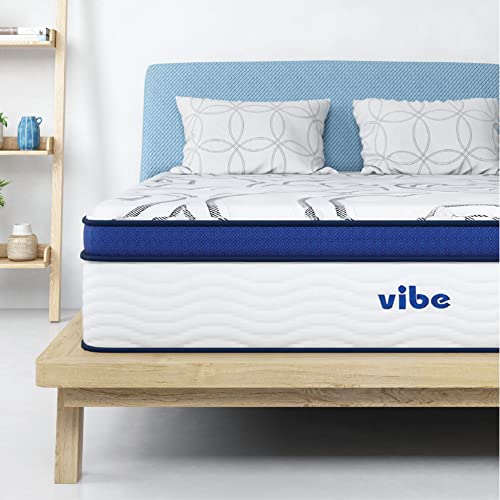
Sleep Softly: Our 12-inch Hybrid Gel Memory Foam Mattress in a Box offers a medium-plush pillow-top feel with great support, convenience, and a clean design with a beautifully detailed stretch-knit quilted cover to optimize conforming properties

The Leading Name in Mattress Toppers: Viscosoft is consistently recognized for the highest quality memory foam and innovative fabrics, offering luxurious sleep solutions for every budget.
How to Test a Mattress Before Buying
How do you know if a mattress will actually work for your side-sleeping body? Testing matters more than specs alone. When you lie on a mattress, spend at least 10-15 minutes in your typical side position. Notice where you feel pressure under your shoulders and hips; that’s where comfort layers do their job. Check if your spine stays neutral by feeling for gaps between your body and the mattress. Press the edges firmly, as strong edge support keeps you from rolling off. Test different firmness levels between 4-6 out of 10, since side sleepers need that balance between pressure relief and spinal alignment. Pay attention to what your body tells you during that test period.
What Side Sleepers Actually Need in a Mattress
After you’ve tested a mattress in your typical side position, you’ll want to understand what actually makes one work for your body. Side sleepers need specific features to sleep well.
Here’s what to look for:
- Medium to medium-firm firmness (5–6/10) that balances cushioning with support for neutral spinal alignment
- Memory foam or latex comfort layers (2–7 inches) that provide shoulder cushioning and hip support without excessive sinkage
- Cooling features like gel foams or breathable covers that prevent overheating at pressure points
These elements work together. The right firmness prevents your shoulders and hips from sinking too deeply. A quality comfort layer gives you the pressure relief you need. Cooling technology keeps you comfortable throughout the night, preventing unnecessary movement from temperature discomfort.