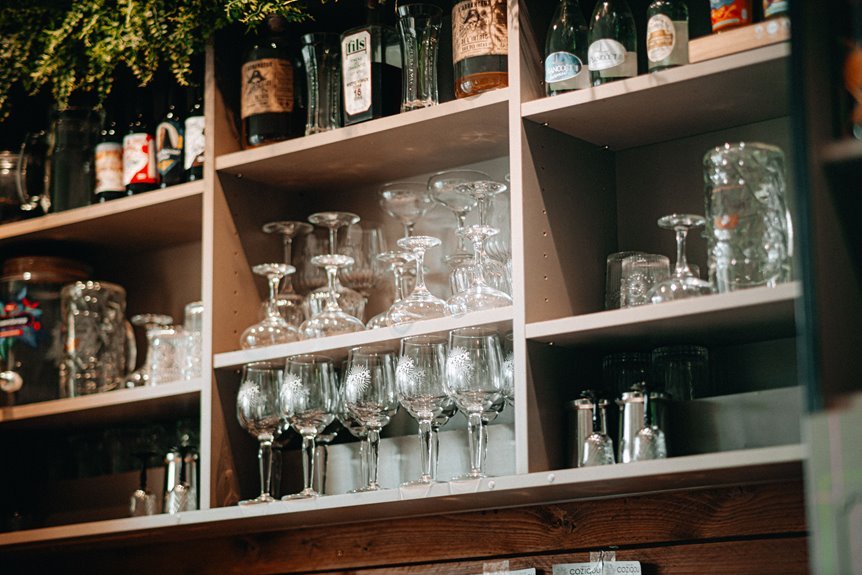
Glass shelves look great, but they’re tough on books. They let UV rays fade covers, create heat damage through glass amplification, and foster mold when condensation builds up. They also crack under heavy loads, can’t support full collections, and demand constant cleaning. Glare makes titles hard to see, and breakage risks aren’t worth the aesthetic appeal. Wood or metal shelves protect your books far better. I’ll show you exactly why each problem matters.
Sunlight Exposure Fades Book Bindings and Causes Heat Damage

When you place glass shelves in a sunny window, you create a problem for your books that may not be immediately visible. UV rays from sunlight fade book bindings unevenly, making covers look washed out and harder to read. The damage accelerates further as direct sun heats glass shelves considerably. This warmth speeds yellowing and makes paper brittle. Over time, book spines crack and crumble. Glass amplifies this problem because it intensifies heat buildup around your collection.
The damage occurs gradually, but you can prevent it. Use window coverings or switch to UV-filtering glass to protect your books while keeping them visible.
500°f Extreme Heat Protection:Featuring Double-Layer Construction With Tough Polyester Shell And Thick Insulation, These Bookshelf Background Oven Mitts Safely Shield...
Temperature Swings Warp Covers and Weaken Binding Integrity
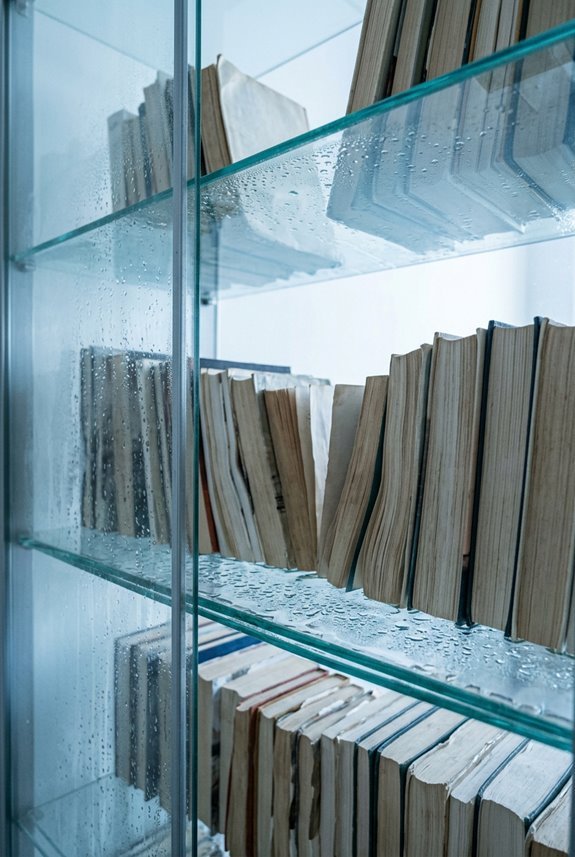
How do your books respond when your room temperature jumps from 65°F to 75°F and back again? Temperature swings stress your book collection in ways that may not be immediately visible.
Wood and leather covers contract and expand at different rates when temperatures fluctuate. This constant movement weakens bindings and causes cracking over time. Glass shelves make this worse because they transfer ambient temperature directly to your books, amplifying thermal stress.
| Problem | Effect | Timeline |
|---|---|---|
| Temperature swings | Warping and cracking | Weeks to months |
| Paper embrittlement | Edge curling and foxing | Months to years |
| Humidity shifts | Mold growth on spines | Days to weeks |
Maintaining a stable temperature of 21°C (70°F) with controlled humidity prevents these issues. Avoiding glass shelves and keeping consistent room temperatures will extend the lifespan of your collection significantly.

【Metal Bookshelf - Sturdy and Stable】 This bookshelf is crafted from high-quality metal, and its double-layer column design enhances stability while increasing load-bearing capacity. The back of each shelf features reinforced metal strips. Whether it's heavy books, bulky storage bins, or even heavy-duty tools, it handles them all with ease. It is the perfect choice for home organization.

Size:Peg diameter is 5mm / 0.2in,length is 6mm / 0.24in, suitable for 5mm holes. Longer peg design ensures tight fit, avoiding falling out. 12 pcs meet daily replacement and installation needs.

MODERN REVERSIBLE DESIGN: This 9-cube book shelf features open-back design and can stand vertically or horizontally, ideal for living rooms, bedrooms, and home offices, making the book shelf easy to place
Moisture Buildup and Condensation Promote Mold Growth in Books
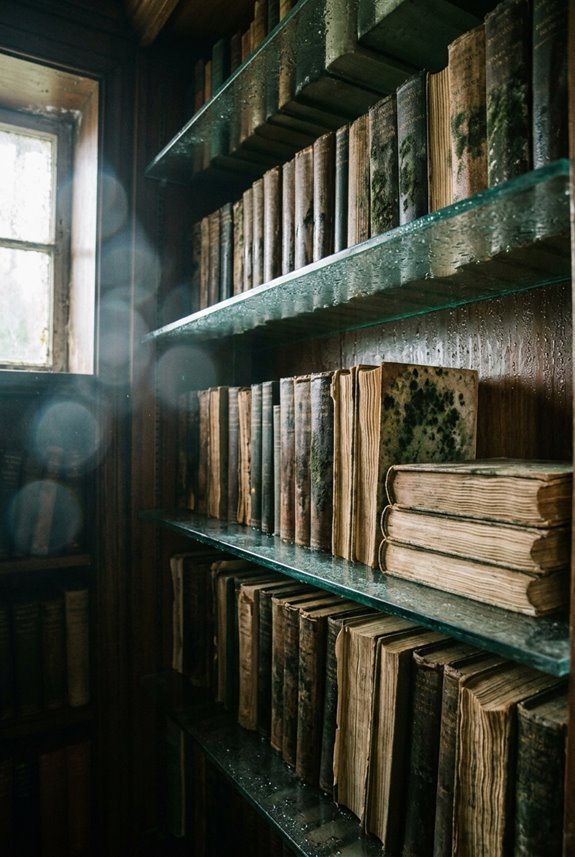
I’ve noticed that glass shelves create a tricky problem: when warm air hits the cool glass surface, it forms condensation droplets that soak into your book spines and covers, creating the damp conditions mold loves. You’ll want to keep your room’s humidity between 30–50% relative humidity to prevent this moisture buildup, and if you live somewhere humid or see water beading on your shelves, that’s your signal to act fast because even a few days of dampness can warp pages and loosen bindings. Monitoring humidity with a simple meter and using a dehumidifier or fan can stop mold before it takes hold of your collection.

【HIGH-QUALITY MATERIAL】Made of high quality bamboo, inclined design, very safe and beautiful, waterproof, easy to clean. Strong structure, not easy to deform.

SLEEK & VERSATILE DESIGN: This book shelf showcases a tall 5-tier layout with a closed back that fits seamlessly in living rooms, bedrooms, home offices, or dorms, making the book shelf practical and modern
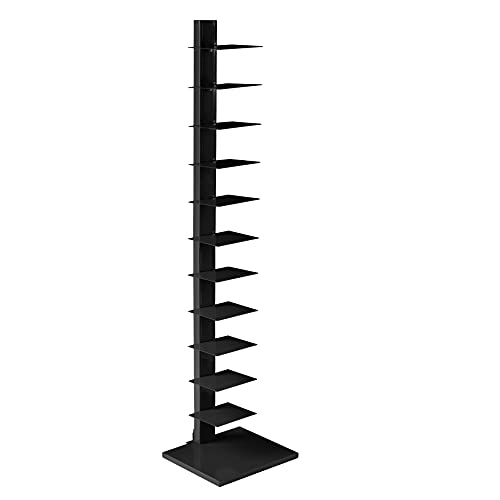
[STORAGE CABINET]: SEI Furniture's cabinet brings transitional design storage to bedrooms, living rooms, guest rooms, and hallways; Iron frame provides substantial weight and classic stability
Condensation Risks On Glass
One of the trickiest problems you’ll face with glass shelves is condensation, that thin layer of moisture that forms on the surface and drips onto your books below. This happens when temperature differences create moisture on the glass. When your room’s humidity climbs above 60%, condensation becomes even more likely, especially after heating or cooling shifts.
The real danger isn’t just the water itself. That persistent moisture creates perfect conditions for mold to grow in book spines, covers, and pages. Once mold takes hold, it’s nearly impossible to reverse the damage. Rooms with poor air circulation make this problem worse, particularly near exterior walls where temperature swings are greatest.
Mold Prevention Strategies For Books
Since condensation on glass shelf surfaces creates the perfect damp environment for mold to thrive, you should act before moisture becomes a problem. Maintaining indoor humidity between 40–50% significantly reduces mold risk in book collections.
Inspect book edges regularly for musty odors or visible staining, and dry any damp spots immediately. Place desiccants near glass shelves to absorb excess moisture before it settles on covers and pages. Keep shelves away from windows and heat sources where temperature swings cause condensation buildup. Ensure good ventilation throughout the room.
Addressing moisture early prevents mold from spreading through your books.
Glass Cracks Under Impact When Heavy Books Shift or Drop
Even tempered glass can crack or shatter when heavy books drop or shift unexpectedly. Impact damage starts small, often as hairline cracks that spread quickly with movement.
| Glass Type | Thickness | Risk Level |
|---|---|---|
| Tempered | 4–6 mm | High |
| Tempered | 8–10 mm | Moderate |
| Laminated | 6 mm | Moderate |
The problem worsens with longer shelf spans and weak center supports. When books press down, stress concentrates in the middle, causing sagging that weakens the glass. Thin shelves (4–6 mm) crack more easily than thicker ones (8–10 mm). Laminated glass fails if heavy loading compromises its protective interlayer. A dropped book can trigger sudden failure, especially if your shelf lacks proper bracing underneath.
Glass Shelves Can’t Support the Weight of Full Book Collections
How much weight can a glass shelf actually hold? Standard glass shelves have surprisingly limited weight-bearing capacity. Even tempered or laminated glass struggles with a full book collection’s heft.
Experts commonly recommend 8 mm or 10 mm thickness with robust brackets for heavy loads. Without proper support, glass sags and cracks under the pressure. A shelf spanning a long distance filled with books creates stress that standard glass simply can’t handle safely.
Center supports or wood framing make a real difference. They transfer weight away from the glass itself, reducing failure risk. Most professionals suggest using glass for displaying select items instead. If you’re serious about storing many books, you’ll need custom engineering and professional installation to do it safely.

【Metal Bookshelf - Sturdy and Stable】 This bookshelf is crafted from high-quality metal, and its double-layer column design enhances stability while increasing load-bearing capacity. The back of each shelf features reinforced metal strips. Whether it's heavy books, bulky storage bins, or even heavy-duty tools, it handles them all with ease. It is the perfect choice for home organization.

【Metal Bookshelf - Sturdy and Stable】 This bookshelf is crafted from high-quality metal, and its double-layer column design enhances stability while increasing load-bearing capacity. The back of each shelf features reinforced metal strips. Whether it's heavy books, bulky storage bins, or even heavy-duty tools, it handles them all with ease. It is the perfect choice for home organization.

【Metal Bookshelf - Sturdy and Stable】 This bookshelf is crafted from high-quality metal, and its double-layer column design enhances stability while increasing load-bearing capacity. The back of each shelf features reinforced metal strips. Whether it's heavy books, bulky storage bins, or even heavy-duty tools, it handles them all with ease. It is the perfect choice for home organization.
Sustained Book Load Causes Glass to Sag and Deflect Over Time
Beyond the weight capacity issue, there’s another problem that develops over months and years: glass shelves bend. You won’t notice it immediately, but sustained book weight causes gradual sagging in the center of your shelf. This happens because glass naturally flexes under pressure, even tempered glass. Over time, that flex becomes permanent bending.
Longer shelves sag faster than short ones. A shelf spanning three feet across will deflect more than a two-foot shelf holding identical books. Thicker glass helps; eight to ten millimeters resists sagging better than thin panes. However, even premium glass needs support.
Without center braces or wooden framing, your books gradually tilt toward the middle. The shelf doesn’t break suddenly; it just quietly warps. Eventually, you’ve got a visibly curved shelf and books at risk of falling.
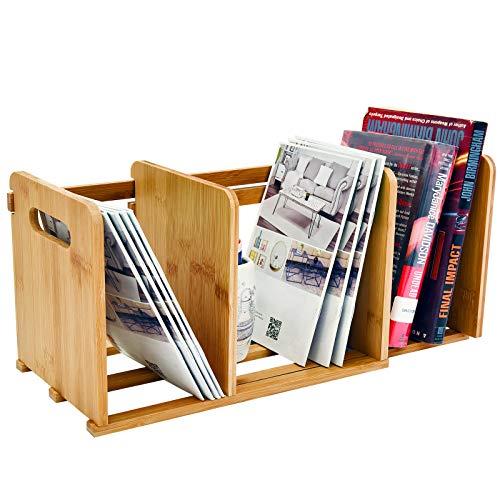
PRODUCT DIMENSION - 12.6-24(W)x8.27(H)x7.48(D) inches. Shelf can expand from 12.6 to 24 inches to accommodate a variety of spaces. Its scalable design allows you to adjust its size depending on the size of your desk or depending on your filing and decor needs.

Adjustable Desk Bookshelf: Table top bookshelf is designed in size :10-17.9''L* 7.87''W* 10.6''H, The length of the desk shelf is adjustable from 10 inches to 17.9 inches, so you can always adjust the length of the shelf to suit your needs

360° Rotation for Effortless Access and Display: This SUNMORY rotating bookshelf features a full revolving bookcase design, allowing you to spin the entire unit to easily reach your items from any angle. The smooth-gliding spinning bookshelf mechanism makes finding and retrieving books a breeze, transforming this book organizer from a simple book storage solution into an interactive and dynamic display center for your favorite bookshelf items
Frequent Cleaning Demands Make Glass Impractical for Daily Use
If you’ve got glass shelves holding your daily reading collection, you’re signing up for constant cleaning. Dust settles visibly on glass within just a few days, and fingerprints appear the moment you grab a book, forcing you into a weekly or even twice-weekly wiping routine that wood shelves simply don’t demand. When you’re maintaining your books for actual use rather than display, that time investment adds up fast and turns your shelf into a maintenance burden rather than a convenience.
Dust Accumulation On Glass
While wood shelves hide dust pretty well, glass shelves broadcast every speck like a spotlight on imperfection. Dust accumulates rapidly on glass, especially in high-traffic areas where air circulates constantly. You’ll find yourself dusting more frequently than you’d like, sometimes weekly or even more often.
The frustrating part is that dust doesn’t just settle on the front surface. It collects along edges and underneath books, requiring thorough attention during cleaning. Regular dusting demands gentle products to avoid streaks that look worse than the dust itself.
This constant battle with dust becomes impractical for everyday book storage. The time investment adds up quickly, consuming moments you’d rather spend reading or relaxing. For busy households, glass shelves create considerably more work than practical alternatives.
Time-Intensive Maintenance Routines
The maintenance demands of glass shelves go far beyond that initial dust problem. When you’re placing books on glass, you’ve got to be incredibly careful. Every movement risks creating new smudges or scratches that’ll catch your eye immediately. You’ll find yourself spending extra time wiping down shelves before and after adding books, which becomes tiresome.
Beyond cleaning, you’re also inspecting regularly for edge chipping and bracket wear. These maintenance tasks add up quickly when you’re using your shelves daily. If you’ve got a busy household or frequently access your books, this constant upkeep becomes impractical. What seemed like a sleek storage solution demands far more attention than traditional wooden shelves. The clarity that makes glass attractive requires consistent effort to keep it looking good.
Glare Makes Reading Titles and Viewing Book Covers Difficult
Have you ever tried reading a book title on a glass shelf and found yourself squinting instead? Glass shelves create glare that makes viewing your collection frustrating. When sunlight or indoor lighting hits the glass surface, reflections bounce back at your eyes, obscuring dust jackets and spine labels.
| Light Source | Glare Level | Solution Difficulty |
|---|---|---|
| Window opposite shelf | High | Moderate |
| Overhead lighting | Moderate | Challenging |
| Angled lamp | Low | Easy |
Positioning matters significantly. Shelves placed near windows amplify the problem. Anti-glare coatings help somewhat, but they won’t eliminate glare completely. You’ll need to adjust your room’s layout and lighting setup to read your books comfortably.

360° Smooth Rotation with Stable Base: Enjoy effortless access to books, movies, or decor with a smooth 360° rotating design—no bending or rearranging needed. The sturdy bamboo base and reinforced structure keep the bookshelf stable and wobble-free, even when fully loaded. Ideal for living rooms, bedrooms, home offices, and small apartments

【Metal Bookshelf - Sturdy and Stable】 This bookshelf is crafted from high-quality metal, and its double-layer column design enhances stability while increasing load-bearing capacity. The back of each shelf features reinforced metal strips. Whether it's heavy books, bulky storage bins, or even heavy-duty tools, it handles them all with ease. It is the perfect choice for home organization.
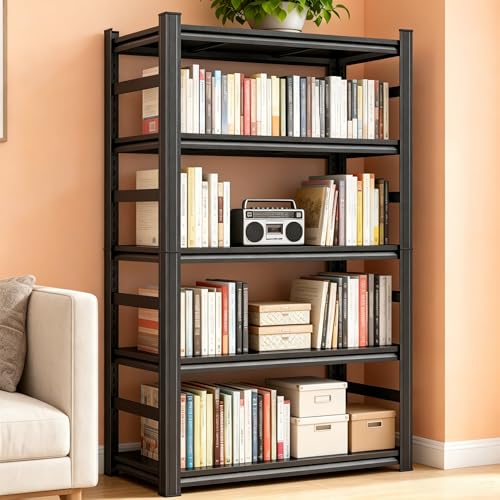
【1,500 lbs Heavy-Duty Stability – No Wobble, No Sag】Built with 30% thicker cold-rolled steel, double‑layer uprights, and reinforced shelf bases, this 5‑tier metal bookshelf holds up to 300 lbs per shelf (1,500 lbs total). That means you can confidently load it with heavy textbooks, a full garage tool collection, or even dozens of potted plants – no bending, no wobbling. Finally, a shelf that gives you rock‑solid peace of mind, whether you’re organizing your home library or a workshop.
Breakage Poses Safety Risks That Outweigh Aesthetic Appeal
Beyond the viewing frustrations that glass shelves create, there’s a more serious concern: safety. When glass breaks, and it will eventually, you’re dealing with sharp shards that can cut you badly. Tempered glass can fail quickly under heavy book loads, especially across long spans without center support.
Books are heavy. A single shelf holding a substantial collection creates serious stress on glass. One accidental bump or tilt can trigger catastrophic breakage. The injury potential is significant when shattered glass scatters across your floor or falls on someone nearby.
Professional installation and reinforced mounting help, but they add complexity and cost. When safety is on the line, aesthetics should not win. Glass is unsuitable for book storage.

High-Quality Materials: Made from premium oak wood, this mini desktop bookshelf features a slanted design that maximizes corner space usage while providing an attractive tabletop book storage solution for small spaces

Approximate Dimensions: 13.1 * 7.5 * 7.4 inches
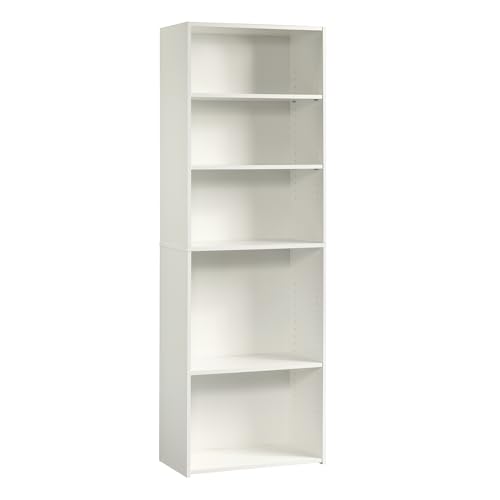
CREATE A CHARMING DISPLAY IN YOUR HOME – This elegant 5-shelf bookcase is perfect for showcasing your favorite books, photos, and decorative items, adding a personal touch to any room
Wood or Metal Shelving Protects Books Better Than Glass
When I compare glass to wood or metal shelves for holding books, the structural differences become clear. Wood and metal offer the load-bearing strength that glass simply can’t match without expensive reinforcement. Solid materials distribute your book’s weight evenly across the shelf, preventing the sagging and stress that can damage spines over time. Glass tends to transmit vibrations and impacts directly to your collection. Wood and metal let you customize support with center brackets and varied thicknesses tailored to your specific books, whereas glass shelves are rigid and prone to edge chipping when heavy volumes shift or settle.
Structural Support And Durability
If you’ve ever worried about whether your glass shelves could actually handle a full row of heavy hardcover books, that concern is valid. Glass shelves lack the inherent strength that wood or metal possess. Without center supports or reinforced framing, they will sag under weight. A minimum thickness of 8mm–10mm is recommended, but this still proves insufficient without proper bracketing. Professional installation and extra supports are necessary to distribute weight safely. Wood and metal shelving, by contrast, handle heavy loads without these complications. They’re built to last under pressure, protecting both your books and the structural integrity of your collection. For serious book collectors, they represent the more reliable choice.
Book Weight Distribution Issues
How do you think books actually sit on a shelf? They don’t spread out evenly. Instead, you’ll pile them unevenly, with some stacked thick on one side and others scattered across the middle. This uneven weight distribution creates real problems for glass shelves.
Books are genuinely heavy. When weight concentrates in certain spots rather than spreading uniformly, glass shelves can’t handle the stress. The material bends downward at those pressure points, especially over longer spans. Shelves sag noticeably within weeks under these conditions.
Wood and metal shelving distribute weight more forgivingly. They flex slightly without permanent damage. Glass doesn’t bend that way. It either stays rigid or fails catastrophically. For book storage, you need a shelf that tolerates messy, realistic loading patterns. Glass simply isn’t designed for that.
Material Comparison And Protection
Why does wood or metal outperform glass when you’re actually storing books? Wood and metal shelving simply handle weight better. They resist sagging and flexing, problems that plague glass shelves, especially over longer spans. Glass shelves need to be thick (8–10 mm) and heavily supported to manage book loads. Even then, they’re risky. Adding protective options like wooden framing or plywood backing defeats the purpose of having glass shelves. You’re adding bulk and complexity, which complicates your design and hides the display clarity you wanted. Wood and metal don’t require these extra protections. They distribute weight more efficiently and won’t chip at the edges or crack under stress. When you’re storing books seriously, traditional materials work harder for you.