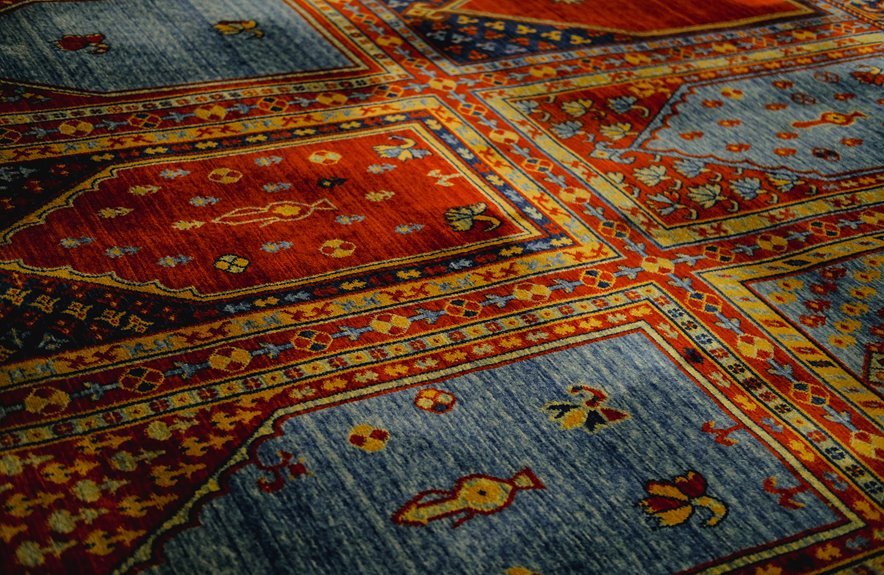
I’ll layer a rug over my carpet to anchor my seating area and add visual interest, but I need the right approach.
First, I’ll check my carpet pile height.
Plush carpet works best with thin, flat-woven rugs to prevent sinking.
I’ll choose a quality rug pad designed for carpet to minimize slipping, then position my furniture legs on the rug for stability.
Finally, I’ll vacuum weekly and fold back the rug monthly to maintain both layers.
This approach creates a cohesive, intentional space with improved durability for both surfaces.
Why Layer an Area Rug Over Carpet: Benefits and Design Impact
If you’ve ever walked into a room that felt a bit plain despite having carpet already covering the floor, you’re not alone. Layering an area rug transforms a carpeted room instantly. It anchors your seating area, introduces color and pattern, and makes the space feel intentional rather than generic. The design impact is immediate; depth appears, and your room suddenly feels thoughtfully planned. The layered approach also adds warmth underfoot, which is especially valuable in kids’ rooms or pet spaces. To keep everything in place, use a rug pad designed for carpet. This simple addition minimizes wrinkling and movement, ensuring your layered look stays polished and stable.
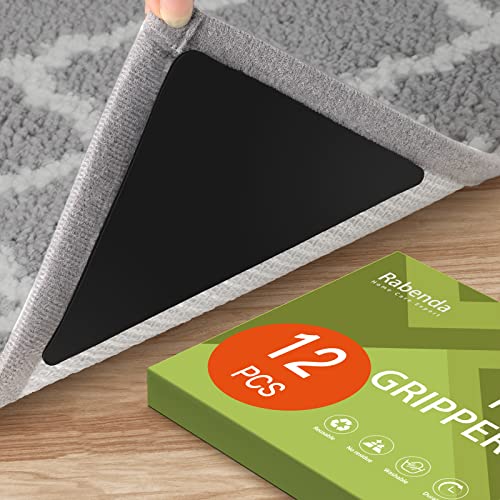
Advantaged Triangle Design: The Triangle Design grippers for area rugs and hardwood floors will maximum increase the contact surface. The strong adhesion will help stick firmly and keep your area rugs in place. Moreover, the rug stickers for wood floors will prevent the rug corners and edges curling and always keep your rugs steady and safe

Grip Design: the original Gorilla Grip grippers for hard floors help to keep your rugs in place and prevent corner and side curling; easy to apply to the underside of carpet corners and floors to help rugs stay in place and flat against the floor

Unique Design: Do you still worry about the traditional glue rug tape harm your floor ? This gripper uses VACUUM TECH design which grips hard smooth floors firmly and easily, this design can protect your floor perfectly as no glue used on floor. But it does not work for rug on carpeted floor. It does not work for rubber backed rug ,jute rug or fluff backing rug.
Check Your Carpet Type Before Buying a Rug
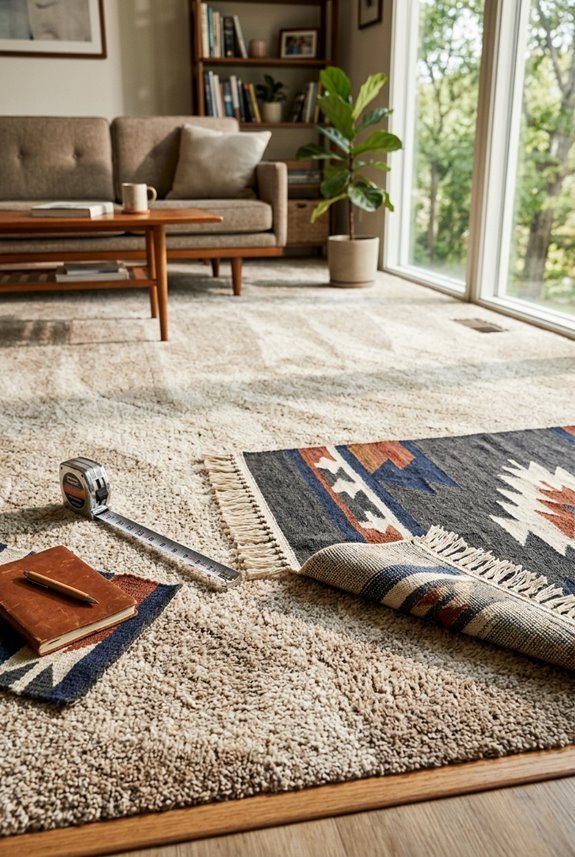
Before you head out to shop for your perfect area rug, take a good look at what’s already on your floor. Your carpet pile height affects rug performance and appearance. If you have plush carpet, choose a thinner, flat-woven rug type to prevent sinking and maintain balance. Short-pile or looped carpet works well with most area rugs. Very long-pile carpet like shag requires careful consideration since it won’t provide firm support. Once you’ve identified your carpet type, you’ll need a quality rug pad for movement prevention and wrinkle control. Selecting the right rug pad based on your specific carpet pile height keeps your rug secure and maintains its appearance over time.

Machine Washable & Quick Dry: Tired of scrubbing stubborn stains or struggling with hard-to-clean outdoor rugs? Our polypropylene patio rug features a stain-resistant, easy-care surface that handles spills, dirt, and debris with ease . Vacuum regularly for daily upkeep, or simply shake/hose down after outdoor use—machine washable design saves you hours of manual cleaning

Machine Washable & Quick Dry: Tired of scrubbing stubborn stains or struggling with hard-to-clean outdoor rugs? Our polypropylene patio rug features a stain-resistant, easy-care surface that handles spills, dirt, and debris with ease . Vacuum regularly for daily upkeep, or simply shake/hose down after outdoor use—machine washable design saves you hours of manual cleaning

Non Slip Rubber Backing: Rubber backed outside rug, no more spend extra money buying a rug pad to stay it in place. These outdoor rugs have strong grip to the ground, not easy to be blown over by the wind. It's alao a great choice for areas with heavy foot traffic.
Choose Rug Textures That Work on Your Carpet Pile
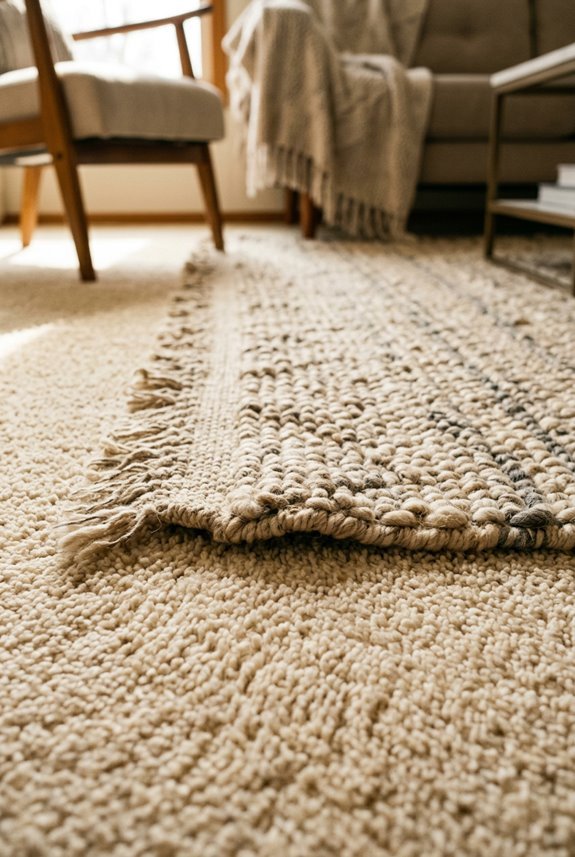
I’ve found that matching your rug’s texture to your carpet pile creates a polished look that stays in place. If you’re working with plush or high-pile carpet, choose a low-profile or flatweave rug. This contrast prevents your layers from looking lumpy and keeps everything balanced. For shorter carpets like Berber, select thicker, textured rugs that create visual interest without the risk of bunching or shifting.
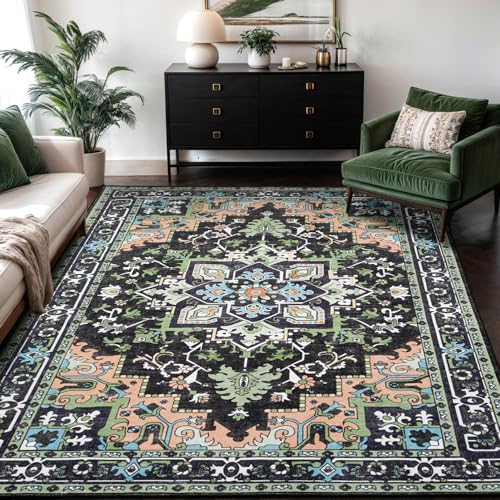
Soft Floral 5x7 Area Rugs: Crafted from velvety and cozy faux wool, the living room area rug offers ultimate comfort, keeping your feet warm and away from cold floors. Its vintage design features exquisite floral patterns that blend elements of classic, bohemian, and oriental styles, adding a touch of vintage charm to your home.

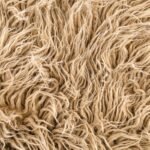
Solo Solid Shag Collection by Unique Loom features luxurious shag rugs in 22 gorgeous colors. Lush and soft, you’ll fall in love with this amazing rug. Imagine sinking your bare feet into the lavish pile of this extravagant rug! You’ll be the envy of everyone who visits your home with the magnificent color from your Solo Solid Shag rug.

CUSHIONED AND SOFT: Washable rugs might already exist, but none are as luxurious to touch as ours. More like a mat, these competitor products might be easy to clean, but walking barefoot on them offers little to the imagination. Instead, Our area rugs 5x7 are made of thicker recycled materials, which is softer and more cushioned. This result is a soft and sumptuous addition to your home, ideal as bedroom rugs that perfectly complement family life
Matching Pile Heights Properly
How’s your carpet’s texture working against your rug choice? Matching pile heights prevents wrinkling and shifting, two problems that’ll drive you crazy.
- Low-pile rugs work great on high-pile carpet
- High-pile rugs suit short-pile or looped carpet
- Mismatched heights create instability and movement
- A quality rug pad prevents slipping effectively
- Layering requires thoughtful pile consideration
When selecting a rug, check your carpet’s height first. If you’re working with plush carpet, grab a low-profile rug instead. This contrast keeps your surface flat and secure. Adding a thick rug pad with rubber against the rug matters too. The felt side grips your carpet, preventing that annoying sliding around. Your rug will stay in place without shifting.
Texture Contrast Creates Balance
Once you’ve nailed down your pile heights, texture becomes your next consideration. Mixing textures creates visual interest and prevents your rug from sinking into the carpet below. When you layer a shag rug over low-pile carpet, you’re adding depth without overwhelming the space. Similarly, placing flat weave or low-pile rugs on plush carpets maintains balance while keeping everything crisp. The contrast keeps your rug from slipping and wrinkling into the surface.
For best results, pair plush, high-pile carpet with low-profile rugs for definition. Short-pile carpets work best with flat-textured area rugs. Use a quality rug pad underneath to anchor everything in place. This texture contrast approach delivers the polished look you want while protecting both your carpet and rug.
Pair Colors and Patterns to Avoid Clashing
I’ll help you understand how to layer rugs on carpet without creating a visual clash. The key is managing both colors and patterns so they work together instead of fighting for your attention. Make smart choices that keep your space looking intentional and cohesive.

✌️ Are you fed up with sliding rugs or rug corners interfering when you’re walking? Forget about it! Keep your rugs in place and make flat corners with carpet tape for area rugs by X-Protector!

Non-slip Protection: Our pad's signature grip keeps rugs securely in place, preventing bunching and sliding during daily use. It also protects your floors from wear and tear, including damage from high heels, children at play, and more.
NOTE: This gripper uses VACUUM TECH design which grips only hard smooth floors firmly and easily, it does not work for rug on carpeted floor. Also it does not work all rugs , it does not work for rubber backed rug ,jute rug or fluff backing rug , please check this. The adhesive surface can not be peeled once affixed on the rug.
Avoid Pattern Clashing
Why do some rugs look great on carpet while others create visual chaos? Pattern clashes happen when both layers compete for attention. Master layering rugs by keeping one element simple and predictable.
Approach to avoiding pattern clashes:
- Pair patterned rugs over solid wall-to-wall carpet for visual balance
- Place solid rugs on patterned carpet to ground the space
- Keep rug patterns smaller in scale than dominant carpet patterns
- Choose one layer as your focal point while the other stays subdued
- Use tone contrast with darker or lighter rug colors than your carpet
When selecting rug patterns, focus on preventing busy visuals. Think of your carpet as the foundation. Your rug patterns should either complement it quietly or provide intentional contrast. This approach creates spaces that feel cohesive rather than overwhelming.
Balance Color Contrast
Now that you’ve mastered keeping patterns from clashing, let’s talk about the colors themselves. Coordinating your area rug on carpet requires thoughtful color choices. When selecting a patterned vs solid rug, match it to your existing carpet’s tone. Choose a color a few shades lighter or darker than your wall-to-wall carpet to create cohesive decor.
If your carpet is neutral, a bold patterned rug injects energy without overwhelming the space. If your carpet already has texture or pattern, stick with solid or tone-on-tone rugs instead. This strategy balances color contrast effectively, letting your room feel intentional rather than chaotic. You’ll achieve visual harmony while still expressing your style through your rug choice.
Pick the Right Rug Pad for Stability on Carpet
When you’re laying a rug over carpet, the right rug pad makes all the difference between a stable floor covering and one that bunches up or shifts with every footstep.
Choosing the correct rug pad depends on your specific rug type:
- Thin woven rugs need thin, slightly tacky pads that grip without adding bulk
- Plush area rugs require thicker pads for maximum stability
- Rubber side should face the rug; felt side against carpet
- Carpet-specific pads reduce slipping and bunching significantly
- If slipping persists, grip tape or additional grippers work alongside your pad
The right rug pad prevents movement, wrinkling, and buckling. Quality rug pads eliminate shifting that interrupts daily activities and maintain the intentional appearance of your space.

VINTAGE BOHO AREA RUG: With its plush high-low piles, this 5x7 area rugs delivers an incredibly comfortable and soft sensation, making it suitable for going barefoot. Lay the carpet over your hardwood floor, and it not only infuses warmth but also turns any room into a snuggle-worthy retreat

Beautiful Design Abstract Rug:The 5x7 rug design is unique and trendy, the colors blend with nature, the abstract design complements the modern tones, it blends perfectly with your home decor, adding more warmth and comfort to your home. Suitable for living room, bedroom, dining room, study, home office, etc

The handmade, hand-tufted construction adds durability to this rug, ensuring it will be a favorite for many years.Construction type:Hand Tufted
Size Your Area Rug for Your Room Layout
Getting your rug size just right is essential. Too small and it’ll look like a floating island in your space; too large and you’ll feel cramped every time you walk around. Matching your area rug size to your room layout significantly affects how the space feels.
| Room Type | Ideal Rug Size | Furniture Placement |
|---|---|---|
| Living Room | 8×10 feet | Front sofa legs on rug |
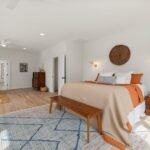
| Bedroom | 5×8 feet | Bed centered on rug |
| Small Space | 5×7 feet | Coffee table partially on rug |
For your furniture placement, position the front legs of sofas and chairs directly on the rug underlay. This anchors your seating area and creates visual cohesion. In smaller rooms, let the coffee table sit partially on the rug while keeping visible floor around edges. This approach prevents cramped feeling while maximizing your room layout’s functionality.

THE ORIGINAL EXTRA STRONG GRIPPER: our trusted Gorilla Grip nonadhesive rug pads offer a unique, dual sided grip that firmly holds onto both the rug pad and your hard floor to help prevent rug movement

Non-slip Protection: Our pad's signature grip keeps rugs securely in place, preventing bunching and sliding during daily use. It also protects your floors from wear and tear, including damage from high heels, children at play, and more.

NON SLIP AND CURLING: Unstable sliding carpets create household hazards. ZONGOOL rug tape stabilizes rugs and prevents corner curling. Compatible with all rug shapes for indoor and outdoor use, it holds carpets firmly in position and reduces common shifting and curling issues
Position Furniture Legs to Anchor Your Rug
One of the smartest moves you can make is placing your furniture’s front legs directly on the rug. This technique dramatically reduces rug movement and keeps your space feeling intentional.
Here’s why anchoring works so well:
- Heavy furniture reduces rug shifting by about 50% when weight rests on the rug edge
- Front sofa legs create a natural anchor for your layered look
- Tucking rug edges under furniture stabilizes the entire layer
- Coffee tables and bed frames add extra anchoring points
- Combining rug padding with furniture placement gives you maximum stability
When you position those legs strategically, you’re creating a cohesive seating area that won’t slip around. Pair this anchoring method with quality rug padding underneath. Together, they’ll keep your rug exactly where you want it and create a polished, organized foundation for your room.

Machine Washable & Quick Dry: Tired of scrubbing stubborn stains or struggling with hard-to-clean outdoor rugs? Our polypropylene patio rug features a stain-resistant, easy-care surface that handles spills, dirt, and debris with ease . Vacuum regularly for daily upkeep, or simply shake/hose down after outdoor use—machine washable design saves you hours of manual cleaning

VERSATILE & EASY TO CLEAN: Our Indoor/Outdoor Area Rugs are perfect for use in the backyard, patio, porch, balcony, deck, sunroom or any high traffic area indoors including the laundry room or mudroom. To clean your area rug, simply wash off with a garden hose and lay flat to dry!
Stop Your Rug From Rippling and Wrinkling
Rippling happens when your rug shifts against the carpet underneath. You can fix this in a few solid ways: anchor the rug with furniture legs, which cuts movement by about half; use a non-slip pad designed for carpet; or add grippers and double-sided tape if you need extra hold in busy areas. Each method works for different situations depending on your space and traffic patterns.

TIMELESS BORDER PATTERN: A clean, framed border design with crisp geometry creates a “finished” look that instantly elevates your room—adds structure around sofas, beds, or entryways without overpowering your décor.

ULTRA SOFT RUG: This fluffy rug offers instant coziness with a super-shaggy faux fur surface that feels like a cloud underfoot, plus a thick foam interlayer for extra support. Made from premium material, this living room rug 6x9 is gentle on the skin and perfect for creating a cozy spot for your family to relax. Enjoy your new rug and the comfort it brings

[PLUSH SHAG RUG]: The SAFAVIEH Hudson Shag collection brings plush, cozy, modern comfort and style; perfect for living room and bedroom
Understanding Ripple Formation
Why do rugs on carpet seem to wrinkle so much more than rugs on hard floors?
Rug movement happens because your rug’s weighted side slides against carpet fibers. This creates friction that causes ripple formation more dramatically on plush surfaces than on hard floors.
- High-pile carpets grip your rug unevenly, causing bunching
- Low-pile surfaces resist movement better than plush ones
- Your rug pad reduces slippage significantly
- Furniture edges anchor rugs and prevent shifting
- Regular adjustments maintain smoothness over time
The carpet fibers beneath act like tiny obstacles. When your rug moves, it catches and wrinkles. Understanding this process helps you prevent problems before they start. Knowing why ripples form makes choosing solutions easier and more effective for your space.
Anchoring With Furniture
Have you noticed how furniture naturally holds your rug in place. Heavy pieces like sofas and bed frames work as anchors, reducing ripples by about 50% when rug edges tuck underneath. This approach is simple and effective.
| Anchoring Method | Best For |
|---|---|
| Furniture legs | Living rooms |
| Rug pad | High-traffic areas |
| Rug grippers | Vulnerable corners |
| Grip tape | Extra hold |
Combine furniture anchoring with a quality rug pad for maximum stability. Place your rug edges under front legs of seating or coffee tables. Add rug grippers at corners where shifting happens most. This layered approach keeps your rug in position and visually cohesive without constant adjustment.
Using Non-Slip Pads
When you place a rug directly on carpet, friction isn’t always your friend. It can trap moisture and cause bunching. A quality non-slip rug pad keeps everything in place while protecting both layers.
Choose the right pad for your rug type:
- Thin, slightly tacky pads work best for woven rugs on carpet
- Thicker pads with rubber on top suit plush area rugs
- Position felt side down against your carpet for maximum grip
- Thin pads prevent unwanted bulk under delicate rugs
- Quality pads minimize ripples in layered rug setups
Layer your rubber side against the rug and felt side against the carpet. This configuration provides the grip needed without creating issues. For high-traffic areas, combine your pad with corner grips for extra security.
Anchor Rugs With Gripper Tape and Non-Slip Pads
The best way to keep a rug from sliding around on carpet is to use the right combination of pads and grippers. Layering these solutions works better than relying on just one method.
| Solution | Best For | How It Works |
|---|---|---|
| Rug pads | All rugs | Tacky felt side grips carpet fibers |
| Gripper tape | Rug edges | Adhesive strips prevent shifting |
| Corner grips | High-traffic areas | Anchors corners in place |
| Heavy furniture | Natural anchoring | Legs hold rug stable |
| Felt backing | Plush surfaces | Locks two surfaces together |
Position gripper tape along edges where movement happens most, then add corner grips for extra security. On carpeted floors, use rug pads with that tacky feel underneath. Place furniture strategically on the rug to create natural anchors. This combination of methods prevents slipping and keeps rugs stable.

Prevent Curling and Sliding: Many people are looking for ways to prevent rug from moving on its carpet, but to no avail. So we use a patented mesh structure on the rug stickers. Kadrama carpet grippers with this structure can effectively prevent the carpet from slipping

✌️ Are you fed up with sliding rugs or rug corners interfering when you’re walking? Forget about it! Keep your rugs in place and make flat corners with carpet tape for area rugs by X-Protector!

Rug on Carpet Gripper Pad: Magic Stop is low-profile non-slip carpet pad is for area rugs that do not need extra cushion over wall-to-wall carpeted floors
Define Open-Plan Spaces With Rug Placement
When working with an open-plan space, strategically placed area rugs become your best tool for creating distinct zones without building walls or moving heavy furniture around. You can anchor a rug by positioning your furniture, like a sofa or dining table, so its front legs sit on the rug. This signals that the space is designated for a specific purpose. Using a rug with contrasting colors or patterns against your wall-to-wall carpet helps define these zones more clearly, making your open layout feel intentional and organized rather than like one continuous room.
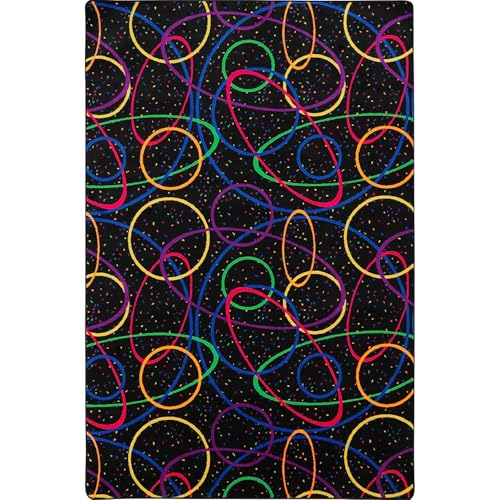
Rug glows under black light and adds an extra dimension to any gaming room

Natural Cotton : Soft cotton yarns are comfortable to step on and durable for daily use. This rug is 1/4 inch thick and pairs well with a rug pad.

Ultra Soft & Non-slip: Featuring a shaggy carpet surface, the Ophanie soft area rug is highly soft with a high-density sponge interlayer. This rug effectively reduces shedding, and the non-slip bottom with small, durable anti-slip dots enhances friction to prevent sliding.
Separate Areas Without Walls
How can you make an open-plan space feel like separate rooms without building walls? Layering rugs on carpet creates distinct zones that help visitors understand where each space begins and ends.
What works best:
- Position rug edges to define room boundaries naturally
- Anchor seating with front legs on the rug for visual cohesion
- Use contrasting colors or patterns to establish intentional design
- Place a rug pad underneath to prevent slipping
- Align rugs with furniture placement for stronger zone definition
This approach maintains that connected, airy feeling while giving each zone its own identity. Your open-plan space becomes organized yet flowing, allowing people to navigate different functional areas with clarity.
Visual Space Definition Techniques
For anchored seating, position your rug so furniture legs rest on it. This grounds the space and signals intentionality. A rug pad underneath prevents shifting and keeps everything stable. Color and pattern contrast matter too. If your base carpet is neutral, choose a patterned or deeper-toned rug to make the zone pop.
Sizing is critical to success. A reading nook needs roughly a 5×7 rug, while dining areas typically work better with 8×10. This approach transforms your space into an organized, functional home.
Furniture Anchoring and Zoning
Position your rug to define a visual space, then anchor it in place with furniture. Strategic furniture placement transforms your carpet layout into distinct zones, especially in open-plan rooms.
Effective anchored furniture placement includes:
- Place front sofa legs directly on the rug to ground your seating area
- Position coffee table legs on the rug for floating layouts in smaller spaces
- Align bed frame edges with rug edges to define sleeping zones
- Use rug pads underneath to prevent slipping and bunching
- Layer heavy furniture strategically for about 50% movement reduction
Quality rug pads designed specifically for carpet work best with these zoning techniques. This combination keeps your rug stable while maintaining the intentional, layered look that brings cohesion to your space. You create functional areas that feel purposeful and visually connected.
Layer Rugs to Separate Zones Without Walls
Ever notice how a single rug can instantly transform a room?
A single rug has the power to instantly transform any room’s look and feel.
Layering rugs on carpet is an effective way to define zones without building walls. When you add a lower-pile rug over plush carpet, it visually separates your reading nook from your workspace. The texture contrast makes the arrangement feel intentional rather than random.
Use a quality rug pad designed for carpet to keep everything stable and prevent shifting. Placement matters; position front furniture legs directly on the rug or tuck edges underneath to anchor the space firmly.
This approach lets you carve out distinct areas in open layouts. Each layered zone functions as its own room, complete with its own purpose and personality.
Vacuum and Clean Both Rug and Underlying Carpet Regularly
Regular vacuuming keeps both your area rug and the carpet beneath it looking fresh and healthy. Staying on top of maintenance makes a real difference in how your space feels. Follow these steps to keep everything in great shape:
- Vacuum your area rug at least once weekly to maintain appearance
- Clean the underlying carpet by folding back your rug pad occasionally
- Use a DIY carpet cleaner for convenient, sanitary results
- Clean your entire rug annually; you don’t need professional services
- Address spills immediately by placing a folded towel between the rug and rug pad
When you commit to regular care, you protect your investment and create a healthier home environment. Regular maintenance reduces dust accumulation, extends rug lifespan, and minimizes allergen buildup in your living space.
Protect Your Carpet by Folding Back the Rug Periodically
To keep your carpet healthy underneath, fold back your area rug at least once a month to inspect what’s hidden beneath. When you lift the rug, check for moisture, stains, or wear that might otherwise escape your notice. This simple step prevents hidden spills from seeping through your rug pad into the carpet fibers below.
While the rug is folded back, vacuum the exposed carpet thoroughly. Also inspect your rug pad for any shifting or damage. If needed, reposition it to prevent future wrinkling or bunching.
This maintenance practice protects your carpet’s long-term health. You’ll catch problems early, extend your carpet’s lifespan, and maintain the clean foundation beneath your rug.
Spot Clean Spills Immediately to Prevent Seepage
When liquid spills on your area rug, you have minutes, not hours, to prevent it from soaking through to your carpet below. Acting fast makes all the difference in protecting both your rug and the carpet underneath.
When spills happen:
- Blot the spill immediately with a clean towel
- Place a folded towel between your rug and rug pad to block seepage
- Use a recommended spot cleaner like Folex for quick treatment
- Let everything dry completely before reassembling
- Address spills regularly to maintain your rug’s lifespan
Spot cleaning right away stops stains from setting in permanently. Keeping a towel and spot cleaner nearby makes responding quickly effortless. Your carpet stays protected when you treat spills as urgent rather than delaying action.
Refresh Your Rug Placement Seasonally for Wear Prevention
Have you noticed one side of your rug looking flatter or faded compared to the rest? That’s wear that requires attention. I rotate my area rugs every 6 to 12 months to prevent this uneven damage. During rotation, I fold the rug back and vacuum the carpet underneath, which keeps everything fresh and clean.
A quality rug pad makes a significant difference in carpet-over-carpet setups. It anchors your rug and reduces shifting that causes uneven wear. When I rotate, I also inspect for moisture or damp spots hiding beneath. Finding these early prevents mold and carpet damage.
This seasonal rotation habit protects your investment while keeping your space looking intentional and well-maintained.