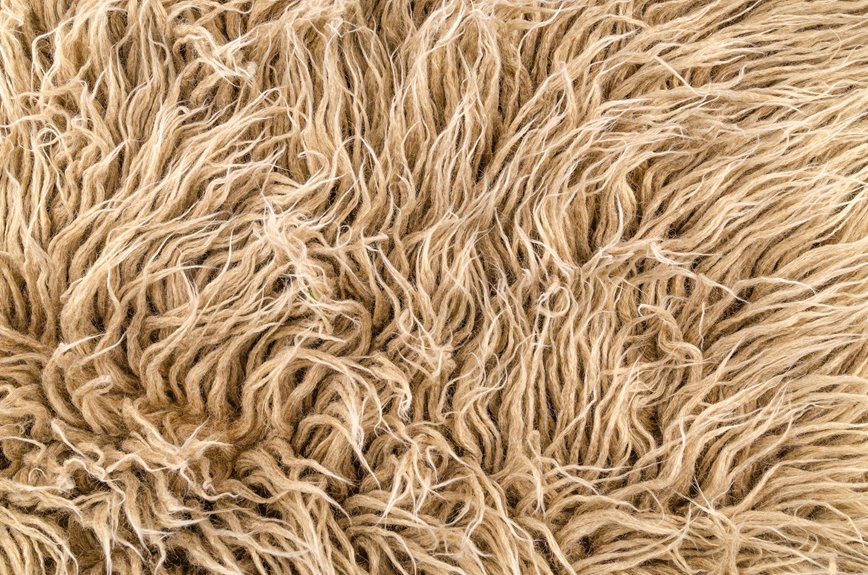
I’ve learned that flokati rugs are hand-woven Greek wool treasures with a 1,500-year heritage, not just fuzzy floor coverings. They’re made from 100% natural, undyed sheep’s wool that creates that signature shaggy pile through mountain stream washing. Quality matters.
Aim for 1,400+ GSM weight for durability. They shed initially, need gentle vacuuming, and require spot-cleaning with mild soap. Authentic flokati demands ethical sourcing and transparent suppliers. Understanding these details will improve your investment decisions, care practices, and appreciation for what you’re bringing home.
What Is a Flokati Rug?
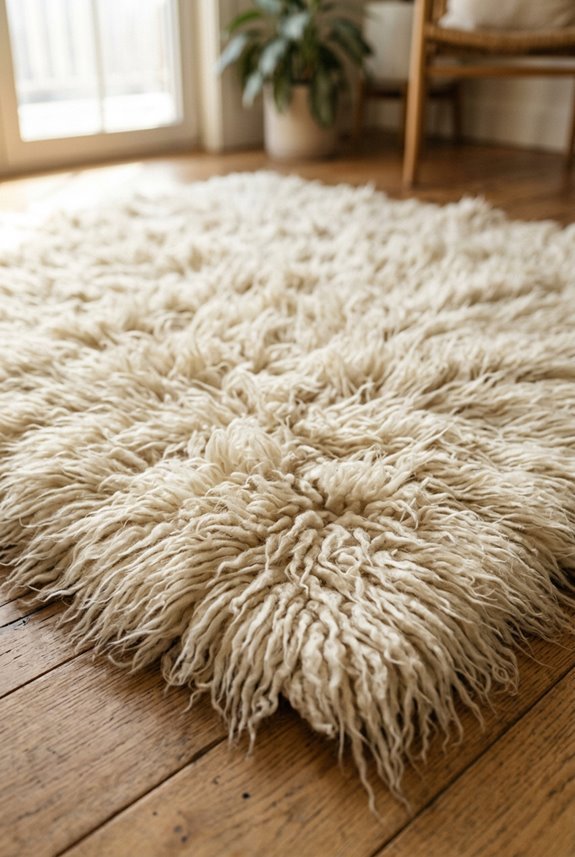
A flokati rug is a hand-woven wool rug with a long, shaggy pile that originated in the mountain regions of Greece. The name comes from the Greek word “flokata,” which means a thick woven shepherd’s cloak, reflecting these rugs’ original purpose.
Flokati rugs are crafted from 100% natural, undyed sheep’s wool, which gives them their distinctive cream or off-white color. This material choice provides genuine warmth, durability, and weather-resistance. Shepherds relied on these rugs for rugged outdoor use, and that durability makes them suitable for home environments. Choosing flokati rugs means embracing a timeless tradition that connects historical and contemporary living spaces.


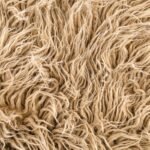
High quality 4" shag pile.
Where Flokati Comes From: A 1,500-Year Story
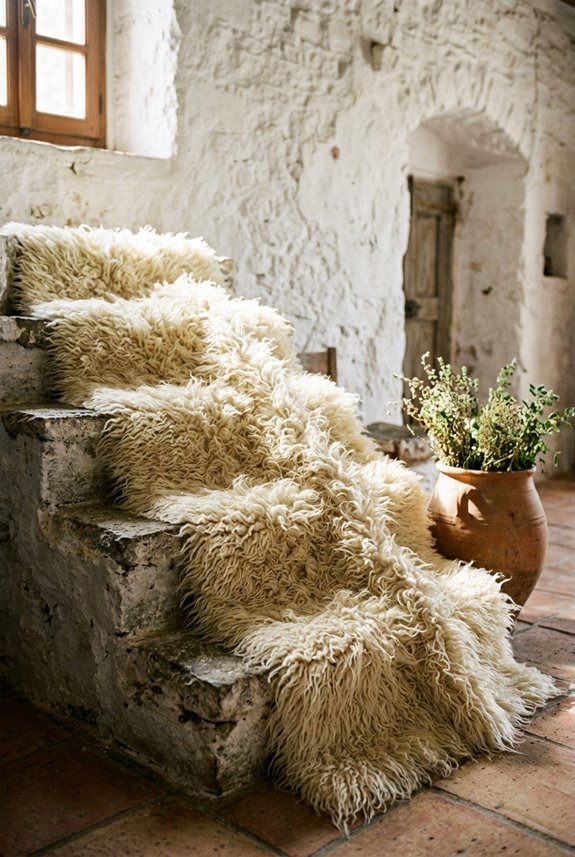
I want to take you back to ancient Greece, where flokati rugs began their remarkable journey around the 5th century in a mountain village called Samarina. Shepherds and mountain communities in the Pindos Mountains region created these rugs as practical outdoor coverings to keep warm in harsh conditions. That tradition continues today. Craftspeople still make genuine flokati rugs using the same hand-made methods their ancestors perfected over more than 1,500 years ago.

NEEDLE & WET FELTING: Corriedale is an ideal core wool. Fast progress is easily made on both needle and wet felting projects and you’ll find Corriedale wool felts up quickly and is ideal for larger shapes. Also great for handmade wool felt dryer balls. One 1lb wool roving makes 9 - 12 dryer balls to naturally reduce your laundry dryer time and reduce wrinkles
PREMIUM WOOL: 100% natural wool stuffing ideal for craft projects, needle felting, and filling applications

✨ NATURAL MONGOLIAN WOOL — Made from natural, dye-free, sustainably sourced sheep wool.
Ancient Greek Origins
Flokati rugs are rooted in genuine history. Around the 5th century AD, shepherds in Samarina and the Pindos Mountains created these rugs from Greek wool. They needed something practical and warm for outdoor life, so they crafted by hand what would become legendary textiles.
These rugs possessed several distinctive qualities:
- Hand-spun Greek wool gathered from local sheep
- Natural, undyed fibers that kept their creamy, authentic color
- Dense weaving techniques perfected across generations
These aren’t modern inventions dressed up as tradition. They’re the real deal, products of actual need meeting skilled hands. When you own a genuine flokati, you’re connecting with 1,500 years of Greek craftsmanship that continues to influence textile production today.
Mountain Shepherds’ Legacy
How’d shepherds living in Greece’s harsh mountain terrain create something so luxurious? They didn’t set out to make rugs. Instead, they created practical blankets and garments from 100% natural sheep’s wool to survive brutal winters in the Pindos Mountains. These weavers faced freezing temperatures and needed durable protection, so they hand-wove dense, woolly textiles that trapped warmth effectively.
What started as pure necessity became an art form. Shepherds passed their weaving knowledge down through generations, refining techniques over centuries. Their creations weren’t just functional; they were beautiful. The thick, fluffy texture admired today comes directly from those ancient mountain communities solving real problems. Owning a flokati means holding centuries of shepherds’ ingenuity transformed into a textile that provides both comfort and enduring style.
How Flokati Rugs Are Made: From Raw Wool to Fluffy Cloud
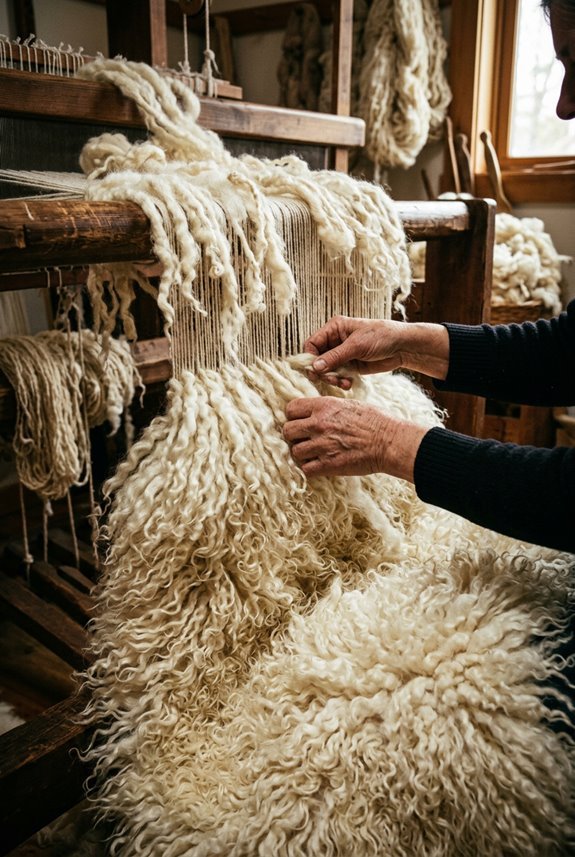
What transforms raw wool into those impossibly fluffy clouds you sink your toes into? The answer lies in a traditional process.
Raw wool transforms into impossibly fluffy clouds through traditional processing methods that preserve natural properties.
Craftspeople start with raw wool and weave it into a base. Then comes the transformation:
- Fast-running mountain stream water washes the entire rug, causing fibers to bloom and stand upright
- Natural wool fibers swell during washing, creating that characteristic long, shaggy pile
- The finished rug retains its warmth and texture, resulting in a plush, cloud-like surface
What makes this process special? The wool isn’t dyed or blended with synthetics. It’s 100% natural sheep’s wool, processed traditionally to create durability and weather resistance. Flokati rugs feel inviting beneath your feet because they are made from authentic materials using time-tested methods that preserve the wool’s natural properties.

CHIC TEXTURED PATTERN: 100% Cotton handloomed rug measures 2x3 ft

CHIC TEXTURED PATTERN: 100% Cotton handloomed rug measures 2x3 ft

[SUBSTANTIAL & ROBUST]: Up to 5x more material by weight than comparable rugs, offering enhanced durability and comfort; The added weight means more material, improving its ability to withstand everyday wear
What Makes a High-Quality Flokati Rug Worth the Investment?
When picking out a flokati rug, start by checking the GSM weight, which measures how much wool is packed into each square meter. This number indicates the rug’s quality. Look for rugs starting around 1,100 GSM and going up to 2,000 GSM or higher, because that denser wool means your rug will stay fluffy, bounce back from footsteps, and last for years without falling apart. The second thing to check is whether the rug uses natural, undyed sheep’s wool instead of synthetic fibers. Real wool holds warmth better, feels softer underfoot, and won’t break down like fake materials do.


【Ultra Soft and Luxury】This fluffy rug is made of of high quality artificial animal wool, super soft touch pile of this sheepskin area rug add a luxury touch to cover your home, will give you softness and plushness feeling.
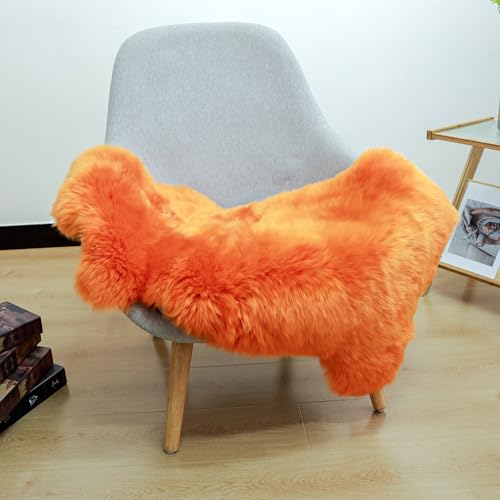
Genuine 100% New Zealand Sheepskin, Natural Sheepskin: Naturally Resilient, Naturally flame Retardant,Absorbs Moisture,Hypo-allergenic, Insulates Against both heat and cold, Sheepskin is a natural sheepskin pelt that features leather, on one side and soft, plush shearling wool on the underside.
GSM Weight And Density
GSM (grams per square meter) measurement significantly affects your rug selection and long-term satisfaction.
GSM weight and density directly impact how your rug performs. Three key factors determine value:
- Quality thresholds: High-quality flokati rugs start around 1,100 GSM, while anything under 800 GSM flattens quickly and feels thin.
- Durability correlation: Higher GSM means better resilience in high-traffic areas. Your rug stays plush longer with increased weight.
- Luxury feel: The heaviest weights (1,400–4,000 GSM) deliver that signature luxurious, plush texture.
When evaluating value, prioritize natural undyed wool paired with higher GSM over synthetic blends. This combination provides an authentic flokati experience with superior longevity.
Natural Wool Quality Standards
Natural wool quality starts with understanding the fibers themselves. You need 100% natural, undyed sheep’s wool with minimal processing. Synthetic fibers and over-processed wool cannot match what natural wool delivers: genuine warmth and the softness you’re seeking.
When evaluating quality flokati rugs, the key metric is how well the wool’s natural oils remain intact. These oils keep your rug feeling luxurious and performing better over time. Premium natural wool typically starts around 1,100 GSM, but aiming higher when possible, often exceeding 2,000 GSM, delivers true luxury.
Sourcing significantly affects quality. Look for rugs made from ethically raised sheep on sustainable farms. This choice ensures your investment supports responsible practices while delivering the durability and beauty required for long-term performance.
Where Flokati Rugs Thrive: Rooms by Use Case
Where do flokati rugs work best in your home? These versatile pieces transform different spaces beautifully. Consider these proven applications:
- Living rooms – Layer flokati rugs with other pieces to create depth and visual interest. They become your room’s focal point while adding texture.
- Bedrooms – The soft, warm wool feels pleasant underfoot. They enhance comfort and coziness, making bedtime feel luxurious.
- Nurseries and reading corners – Their hypoallergenic, undyed natural wool makes them safe for kids. These spaces benefit from the calm, warm ambience flokati rugs create.
Our handmade flokati rugs feature natural undyed fleece and the highest GSM available. We offer rectangular and round formats, plus custom sizes when you need something specific for your space.
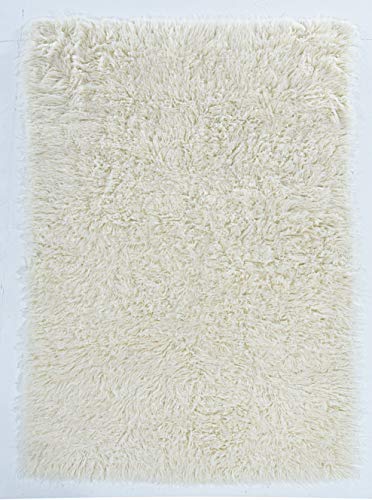
3.6X5.6 perfect accent for smaller spaces

✅ LONG PRONGS - 1/2 inch long brush bristles with a slight kink, to get deeper into the fur, untangle, unmat and restore fluffiness to fur
5X8 great for bedroom or living spaces
Keep It Fresh: Vacuuming and Spot-Cleaning
I’ve found that keeping your flokati rug looking fresh comes down to two main practices: regular vacuuming with the right technique and tackling spills before they set in. I’ll show you how to handle both, starting with the vacuuming approach that protects your rug’s natural fibers, then moving to the spot-cleaning strategy that stops stains in their tracks.

✔️Great Quality | Authentic Greek flokati.

Vacuuming Techniques And Frequency
Keeping your flokati rug fresh really comes down to regular vacuuming. It’s your first line of defense against dirt, dust, and debris that settle into those thick wool fibers. Using a low-power setting protects your rug while still pulling out unwanted particles. You’ll want to vacuum frequently, but gently, since these dense piles can mat or shed if you’re too aggressive.
Here’s what I recommend:
- Use a brush attachment or handheld vacuum to avoid yanking fibers
- Vacuum at least weekly with low suction to minimize stress
- During break-in, use even gentler motions to reduce loose fibers
This routine keeps your flokati looking plush and maintains those natural wool oils that preserve the rug’s quality and durability.
Spot-Cleaning Stains Immediately
While regular vacuuming removes surface dirt before it settles in, accidents happen. That’s when spot-cleaning saves your flokati. Acting fast makes all the difference. When you spill something, grab a mild detergent and water solution immediately. Blot the area gently with a clean cloth rather than rubbing, which prevents the stain from pushing deeper into those dense wool fibers. Before tackling any visible stain, always test your cleaning solution on a hidden corner first. This protects your rug’s natural oils and keeps it soft. Harsh chemicals can damage flokati, so stick with gentle approaches. Quick response within minutes of a spill prevents permanent marks from setting into the fibers.
Three Deep-Cleaning Methods: Which Fits Your Home?
When’s the last time you gave your flokati rug a truly deep clean. I’ve found three methods that really work, depending on what you’ve got at home.
- Hand washing in lukewarm water with mild detergent, gently squeezing without twisting the fibers
- Dancing on your rug in a bathtub with cold-warm-cold water sequences and liquid soap
- Using a large laundromat machine or laying your rug on a driveway or tarp
Each approach restores your flokati rugs to their original softness. The key is what comes after: you’ll need complete drying in a sunny, well-ventilated space. This prevents mildew and keeps your rug fluffy. Pick the method that fits your lifestyle, and your flokati will remain soft and durable for years to come.

NEEDLE & WET FELTING: Corriedale is an ideal core wool. Fast progress is easily made on both needle and wet felting projects and you’ll find Corriedale wool felts up quickly and is ideal for larger shapes. Also great for handmade wool felt dryer balls. One 1lb wool roving makes 9 - 12 dryer balls to naturally reduce your laundry dryer time and reduce wrinkles. 1 lb bundle is approx 50 feet of wool

Wool noils are great for stuffing toys and pillows. The clean, fluffy, short fibers are a by- product of the combing process.

Wool being a temperature-regulating fiber, will keep you cool when it's hot and warm when it's not
Sun-Drying for Softness and Color Retention
Now that you’ve chosen your washing method and scrubbed your flokati clean, drying is where the real magic happens. Sun-drying works best for keeping your rug soft and maintaining its natural color.
Sun-drying works best for keeping your flokati rug soft while maintaining its natural color after washing.
Lay your wet rug flat outdoors on a clean surface in a well-ventilated area. Skip the bright, intense sunlight. Direct heat can fade fibers and make wool brittle or cause shrinkage.
Position rugs in dappled shade or morning sun instead. This gentle approach preserves softness while preventing damage. Keep your rug away from strong winds and direct heat sources, which cause uneven drying.
Before rolling or storing, ensure it’s completely dry. This prevents mold and odor from developing inside.
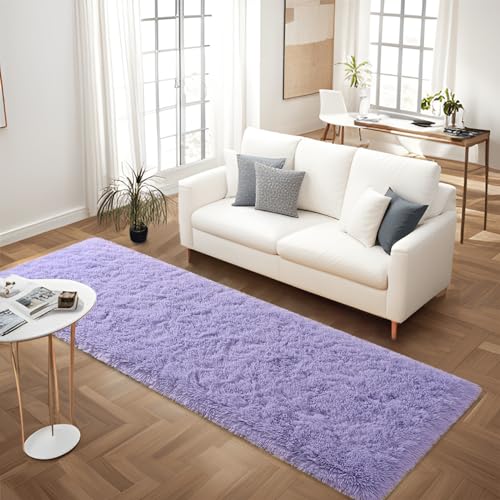
【 Premium Area Rugs 】- FALARK soft area rug is made of newly upgraded velvet and quick-rebound thickened sponge interlayer, providing a smooth and ultra soft touch. And our fluffy rugs with premium materials are suitable for kids and pets to play on

Material: 80% Wool, 20% Cotton, Made by skilled artisans in India
Fixing Damage: Thread Selection for Repairs and Edge Lacing
Your flokati’s edges take a beating. When wear happens, picking the right thread makes all the difference. Matching your repair material to the rug’s natural wool fibers keeps everything looking seamless.
Consider these factors when selecting thread:
- Fiber content – Choose wool-blend or sturdy synthetic thread that mirrors your rug’s texture and won’t stand out against neutral tones
- Thickness – Pick medium-weight thread that’s strong enough for heavy traffic areas without creating visible bumps along seams
- Flexibility – Select thread that’s easy to work with, allowing you to lace edges smoothly without frustration
Durability is the priority. Your repaired edges need to handle tugging and abrasion just like the original rug. Matching materials thoughtfully produces repairs that blend seamlessly while extending your flokati’s lifespan.

This modern area rug is perfect for bedroom and those medium traffic areas in your home

Contemporary design is a stylish addition to any room of the home

Selected Luxurious Merino Wool: Our wool rug are made of high-quality 15-20 micron Merino wool. Compared with ordinary wool rug, our wool rug are more comfortable, softer and more skin-friendly. Walking on them barefoot is like walking on soft clouds
Expect Shedding: The Break-In Period Explained
Ever notice loose fibers coming off your new flokati rug. Shedding is completely normal. When you first bring your rug home, it will shed more than usual because the fibers are adjusting to their new environment and your daily use.
Shedding is your rug’s natural break-in period, not a sign something’s wrong. Shaking the rug outdoors helps loosen those free fibers before they end up on your floor. After that, use your vacuum on a low-power setting regularly. This simple routine reduces ongoing shedding over time.
Once your rug settles in, the shedding decreases significantly. Patience and basic care make all the difference.
Before You Buy: Ethical and Environmental Sourcing
Because flokati rugs are made from natural sheep’s wool, the source of that wool significantly affects both animal welfare and product quality.
When shopping for flokati rugs, consider:
- Transparent farm origins—knowing exactly which farms produced my wool
- Humane treatment practices—confirming sheep receive proper care and living conditions
- Responsible manufacturing—verifying the dyeing and production methods align with my values
Different suppliers maintain different standards. Some avoid certain farms due to welfare concerns, while others emphasize natural, undyed wool like Stellarugs.com.au does. Asking questions before purchasing helps verify ethical practices and ensures the rug meets your standards for quality and responsible sourcing.
Real vs. Fake: Spotting Authentic Handmade Flokati
How do you know if that fluffy rug you’re considering is genuine flokati or just a machine-made imitation? Authentic flokati rugs tell a story through their construction. Real flokati rugs are hand-woven from natural, undyed sheep’s wool, typically weighing between 1,400 to 4,000 grams per square meter. Look for transparency from suppliers about their source farms and production methods. Machine-made shag rugs might feel similar, but they lack the genuine craftsmanship and natural materials that define true flokati rugs. When examining a rug closely, check for that characteristic long-pile appearance and feel the weight. Authentic pieces feel substantial and luxurious. Ask questions about where the wool comes from and whether artisans hand-wove it. Selecting flokati rugs made with integrity ensures you’re investing in timeless, bohemian pieces with verifiable craftsmanship.