Shower curtains come from four main materials, each handling moisture differently. Cotton feels soft and breathable but dries slowly and needs a waterproof liner to prevent mildew.
Linen lasts longer with natural antimicrobial properties, though it costs more.
Polyester resists wrinkles, dries quickly, and suits busy bathrooms well.
Vinyl is cheap and waterproof but off-gasses harmful chemicals.
Each material offers distinct performance characteristics that affect durability, maintenance requirements, and bathroom functionality.
Shower Curtain Materials: Which Performs Best
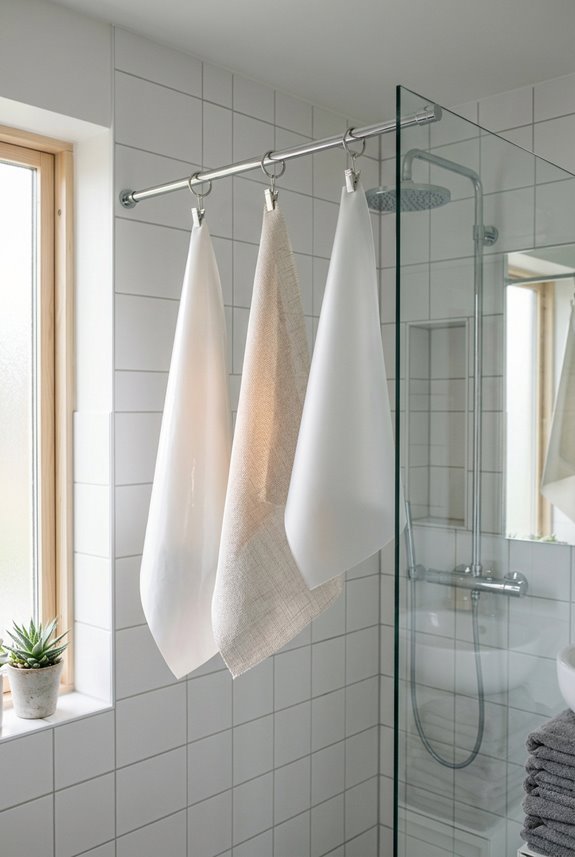
Why do some shower curtains last for years while others fall apart after a few months? The material makes all the difference.
Polyester curtains strike the best balance for most bathrooms. They’re affordable, quick-drying, and resist wrinkles naturally. Unlike cotton, which absorbs moisture and develops mildew without proper airing, polyester handles humidity well.
Cotton curtains feel luxurious and breathable, but they demand more attention. You’ll need a waterproof liner underneath, plus regular airflow to prevent mildew growth.
Choose polyester if you want reliable performance without extra maintenance. Pick cotton only if you’re committed to regular maintenance and airflow. Skip vinyl entirely; the chemical off-gassing isn’t worth the cost savings.
Your material choice determines your replacement frequency.

Hotel quality protection & standard fit: This single-pack 72 x 72 inches shower curtain liner is designed to fit standard to wide tubs and showers. It provides effective water-resistant protection to keep your decorative curtain dry and floors safe, featuring a hotel-grade build for a premium feel. (Hooks not included)

Premium PEVA: 3 magnets at bottom for iron-core bathtubs & 12 metal grommet holes, it can be used as a stand-alone shower curtain or shower liner

FEEL THE HEAVY-DUTY DIFFERENCE: This heavy duty shower curtain liner is made of 8G thick, premium PEVA material to resist rips and tears, saving you the cost and hassle of frequent replacements.
The Decision Framework: How to Compare Fabrics
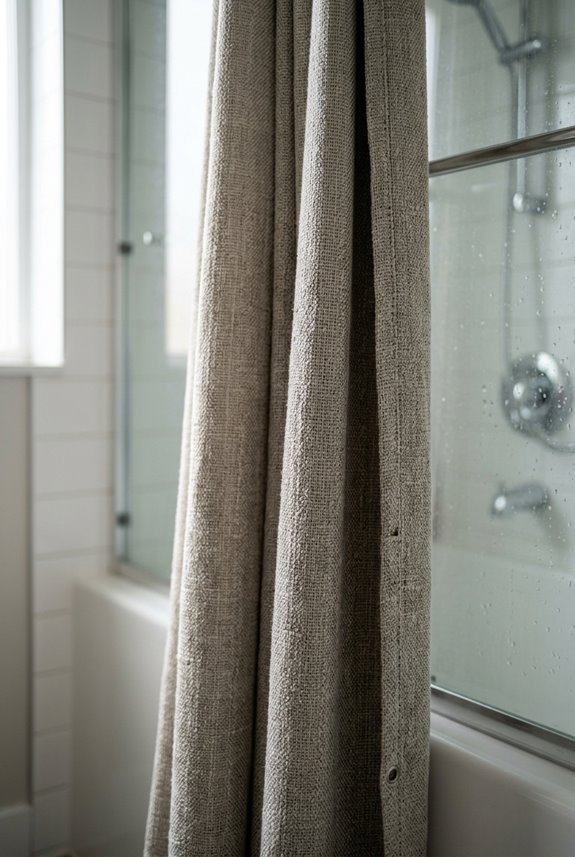
How do you actually choose between these materials when you’re standing in the store or scrolling online?
Start by asking yourself what matters most. Need something budget-friendly and waterproof. Vinyl works, though it may crack over time. Want durability without much fussing. Polyester resists wrinkles and dries fast, making it practical for busy bathrooms.
If air quality concerns you, consider cotton. It’s breathable and natural, supporting better air circulation in your space.
Consider your lifestyle next. How much maintenance are you willing to handle. Cotton requires more care but feels premium. Polyester balances convenience with longevity.
Finally, weigh environmental impact alongside performance. Natural fibers like cotton align with sustainability goals, while polyester and vinyl offer practical trade-offs.
Your choice reflects what you value most.
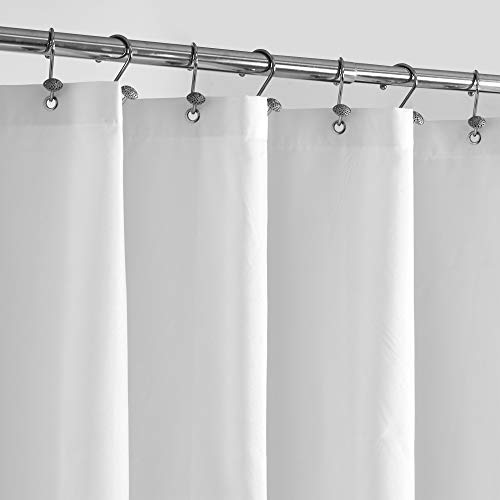
SOFT & WATERPROOF: This shower curtain liner is made of premium fabric with the ultimate waterproof coating tech, making it completely water proof but still soft feeling

🚿【Thick "Cotton" Type Fabric Shower Curtain】Made from expertly chosen and tested Heavyweight Polyester Fabric, touches like a cotton feel. Honeycomb waffle weave pattern adds elegance to your bathroom.

【Luxury Durable Fabric】: Tititex shower curtain liner is made of ultra high-quality textured polyester fabric, paired with classic embossed patterns, making it softer and more comfortable than ordinary polyester fabrics, giving you a hotel or spa-like experience during your shower or bath
Polyester: Why It’s the Top Choice for Most Bathrooms
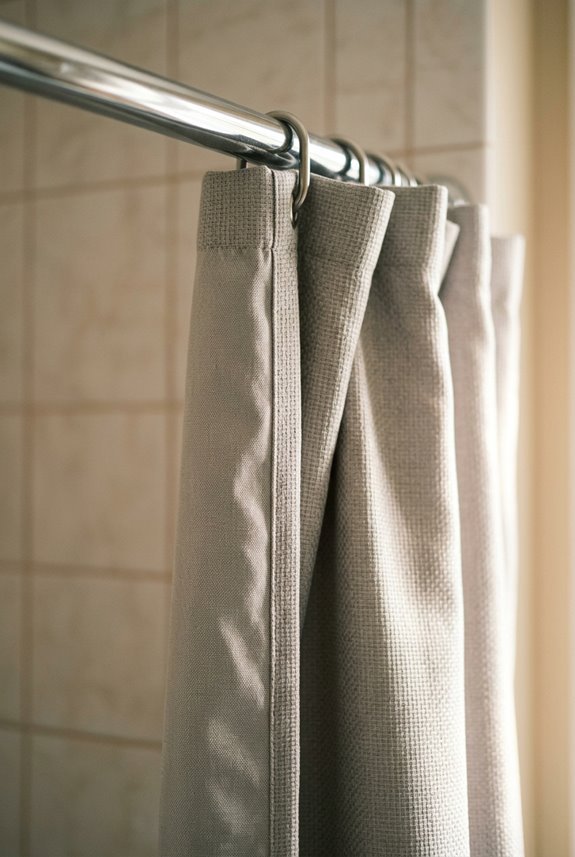
Polyester dominates most bathrooms for good reason: it resists wrinkles, dries quickly in just a couple hours, and shrugs off mildew better than fabrics that hold moisture. Polyester costs significantly less than alternatives, and you can simply toss it in the washing machine instead of hand-washing delicate natural fibers. The key consideration is whether its water-resistant performance and low maintenance outweigh the fact that natural fabrics like cotton actually let your bathroom breathe better.
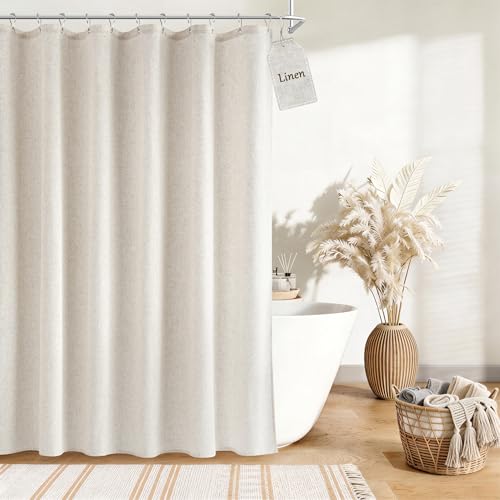
Natural Linen Blend:Imported linen blend fabric with natural slubs and cross weave texture. Soft, breathable, and lightweight. Earthy tones and two-color yarn weaving create a rustic vintage look. Fits Bohemian, farmhouse, or modern bathrooms.

Natural Linen Blend:Imported linen blend fabric with natural slubs and cross weave texture. Soft, breathable, and lightweight. Earthy tones and two-color yarn weaving create a rustic vintage look. Fits Bohemian, farmhouse, or modern bathrooms.

🛁【Linen Texture】- Made of 230GSM premium polyester fabric, which is wrinkle-resistant and non-fading. In addition, the weighted hem design can keep its shape and does not billow like lightweight shower curtains
Durability And Wrinkle Resistance
When it comes to keeping your bathroom looking fresh and functional, polyester shower curtains stand out as the practical choice for most households. Polyester’s durability impresses because it resists wrinkles naturally, so your curtain stays looking neat without extra effort.
What makes polyester special is how it maintains its shape through daily use. Unlike cotton or linen, it doesn’t crease easily, and you won’t spend time smoothing it out constantly. Polyester holds its color well, resisting fading even with regular moisture exposure.
The wrinkle resistance also means less maintenance for you. A gentle machine wash and low heat dry preserve the fabric’s texture perfectly. This combination of durability and easy care makes polyester a reliable choice that fits seamlessly into your bathroom routine.
Affordability And Low Maintenance
Most bathrooms benefit from polyester shower curtains because they won’t drain your budget while still delivering the durability you need. Choosing polyester means you’re getting serious value without sacrificing quality.
Polyester is practical for several reasons. It’s machine-washable, so you can toss it in the laundry whenever it needs refreshing. No special treatment required. The low-maintenance nature of polyester saves you both time and money. You won’t need expensive cleaners or complicated care routines.
Polyester resists wrinkles, meaning your shower curtain looks good straight from the wash. Quick drying prevents mildew, which extends the lifespan of your investment. The combination of affordability and durability makes polyester the logical choice for bathrooms seeking reliable, wallet-friendly solutions that last longer than cheaper alternatives.
Performance Versus Natural Fabrics
You’ve probably noticed that polyester dominates the shower curtain market for good reason. It simply outperforms natural fabrics in the wet, steamy environment of your bathroom. While cotton and linen feel more breathable, they absorb moisture like sponges, creating the perfect conditions for mold and mildew growth. Polyester, on the other hand, dries quickly and resists moisture retention, keeping your shower curtain fresher longer.
Polyester’s quick-drying nature gives it a clear advantage over natural options. Because water doesn’t linger on the fabric, mold struggles to take hold. Natural fabrics need extra ventilation and careful drying to prevent mildew problems. With polyester, you’re getting a material that resists moisture in humid bathrooms where dampness tends to accumulate. This moisture resistance is why most bathrooms rely on polyester shower curtains.
Cotton Shower Curtains: Softness vs. Mildew Risk
Have you ever wrapped yourself in a soft cotton towel fresh from the dryer? Cotton shower curtains offer that same luxurious, breathable feel. They transform your bathroom into a spa-like retreat with their natural comfort. Cotton absorbs moisture quickly and dries slowly, making mildew a real concern.
| Challenge | Solution |
|---|---|
| Mildew growth | Ensure proper ventilation |
| Moisture absorption | Use a waterproof liner |
| Wrinkles and fading | Follow care instructions |
To protect your investment, machine wash regularly and open windows after showers. Pair your cotton curtain with a waterproof liner; this simple step extends its life significantly. With intentional care, you’ll enjoy that soft, natural fabric while keeping mildew at bay. Proper ventilation and a waterproof liner are essential for maintaining both the fabric’s softness and preventing mold and mildew growth.

6 Magnets at Bottom: Magnetic shower curtain liner for your bathtub, 6 bottom magnets help keep the premium clear heavy shower liner in place
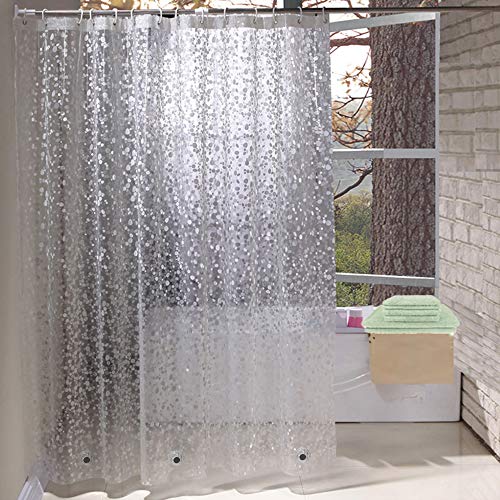
▲ Size: 72inches wide by72inches long / 6ft x6ft with 12 holes/metal eyelets,hooks are not included. This size is suitable for most of bathtub.

●HEAVYWEIGHT 10-GAUGE CLEAR VINYL DRAPES SOFTLY: You can use the Epica Shower Curtain Liner with or without another shower curtain - it looks that great. The heavy-duty vinyl wipes clean easily.
Hemp Shower Curtains: Durability, Cost, and Care Demands
When looking for a shower curtain that will last, hemp fibers deserve serious consideration. Hemp durability is impressive. These curtains withstand years of daily use without falling apart, which means you’re investing in longevity.
The trade-offs matter. Hemp costs more upfront than many alternatives, so budget is a factor. The fabric also feels coarser than softer options; think sturdy canvas rather than silky cotton.
Mold resistance is a key advantage. Hemp’s antibacterial qualities naturally fight mildew, and excellent air circulation keeps everything dry. This is especially beneficial in steamy bathrooms.
Care does require attention. You’ll skip harsh chemicals and machine drying to preserve quality. Gentle hand washing works best. This effort ensures your hemp curtain will perform reliably for years.

LUXURY HOTEL STYLE DESIGN – Upgrade your bathroom with a hotel style waffle weave shower curtain featuring a removable snap-in waterproof fabric liner and mesh top window. Elegant textured fabric creates a modern spa-inspired bathroom while complementing any décor.
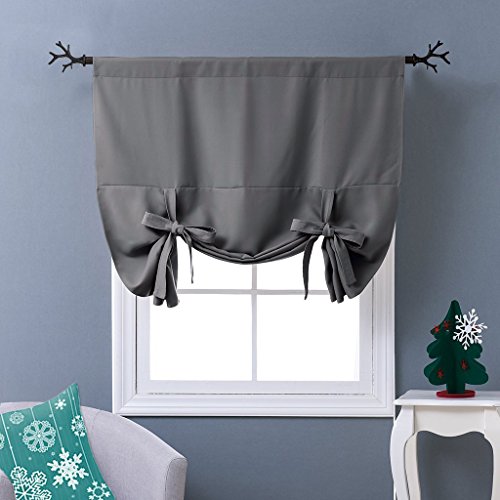
READY MADE: Package includes 1 panel Tie Up Shade with 46" width x 63" length (117cm x 161cm), same color as front. 3" pocket fits various standard or decorative curtain rod/pole.

【Premium 256GSM Waffle Fabric】 – Super soft cotton-like feel, 3x thicker than standard 90GSM shower curtains. Lotus-effect waterproof coating repels water, oil, and stains instantly. Wrinkle-resistant, fade-resistant, and odor-free – stays fresh wash after wash.
Vinyl and PVC: The Budget Trade-Off
Why do vinyl shower curtains dominate the budget aisle? They’re waterproof and affordable, but you should understand the trade-off.
Standard vinyl curtains work well for keeping water out. They wipe clean in seconds and dry quickly, making maintenance simple. However, they can smell chemical-y and aren’t eco-friendly. Humidity also increases mold risk.
PVC-free options offer odor reduction and ease environmental concerns, though they’re still less breathable than fabric alternatives.
| Feature | Standard Vinyl | PVC-Free Vinyl |
|---|---|---|
| Cost | Very Budget-Friendly | Slightly Higher |
| Odor | Chemical Smell | Reduced |
| Eco-Impact | Low | Better |
| Breathability | Poor | Slightly Better |
Vinyl curtains require regular scrubbing per instructions. You’re choosing convenience and price over environmental impact.

Qualified: High quality PEVA shower curtain liner is a good choice for the person who requires light weight liner for bathtub.Convenient fold, simple and low cost, the liner plays a function to better hold back water in a shower.

Waterproof fabric shower curtain liner: Titanker shower curtain liner is made of soft fabric and is covered with a waterproof coating, making it greatly waterproof.

WATERPROOF HIGH QUALITY FABRIC SHOWER CURTAIN - Made from expertly chosen and rigorously tested polyester fabric. The highly smooth yet textured design is shrinking, creasing, and has a protective PE coating for added water resistance properties to help prevent water bead formation so water swiftly rolls off the surface, keeping your bathroom dry and clean. The curtain’s simple yet classic creamy white color is sure to complement any bathroom decor.
Natural vs. Synthetic: Environmental Impact and Longevity
So far, we’ve looked at vinyl’s convenience and affordability, but there’s another side to the shower curtain story. Natural fabrics like cotton biodegrade naturally and renew quickly, making them genuinely eco-friendly choices. However, they require liners to prevent mildew and won’t last as long as synthetics. Vinyl (PVC) curtains persist for years, but they off-gas harmful chemicals and don’t decompose. Polyester splits the difference; it lasts substantially longer than cotton while remaining more environmentally responsible than vinyl. Choosing between natural and synthetic requires balancing your environmental values against real durability needs and your lifestyle.

Premium PEVA: Made with 100% PEVA material, the white plastic shower curtain liner is no chemical odor, PVC-free and BPA-free, 3 magnets at bottom & 12 metal grommet holes

【PREMIUM FABRIC SHOWER LINER 】Made of durable woven polyester,this high-quality fabric shower liner offers a clean, elegant look while providing better privacy than clear plastic liners. Durable, odorless, and designed for everyday use.
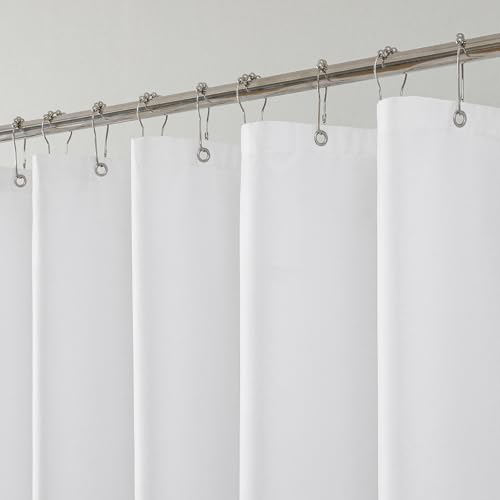
Premium Waterrepellent Polyester Fabric:Crafted with 100% soft polyester, our shower liner uses nano-scale hydrophobic technology to repel 99% water within 3 seconds . Water beads instantly roll off without soaking through, unlike stiff PEVA/PVC liners.
Durability and Lifespan by Material Type
Different materials age at dramatically different rates, which means your shower curtain choice affects not just your bathroom today but how often you’ll replace it. Polyester curtains typically last several years because they’re quick-drying and resist wrinkles well. Vinyl curtains seem waterproof initially, but they can degrade faster in humid bathrooms despite low maintenance. Linen curtains are remarkably durable and naturally antimicrobial, though they require a liner for moisture protection and demand more care. Polyester gives you reliable longevity without breaking your budget, vinyl offers convenience but less staying power, and linen rewards patient owners with years of use. Your bathroom’s humidity level and how much you maintain your curtain ultimately determine which material serves you longest.
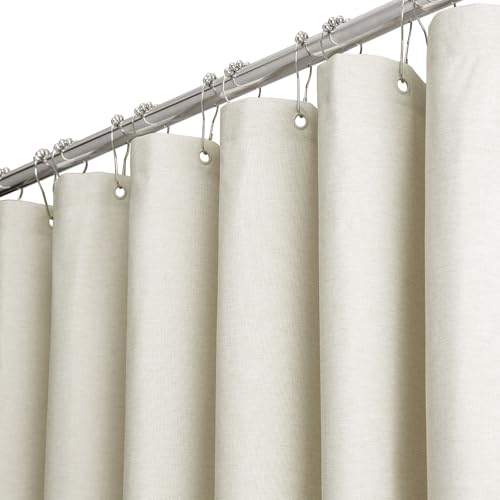
🛁【Linen Texture】- Made of 230GSM premium polyester fabric, which is wrinkle-resistant and non-fading. In addition, the weighted hem design can keep its shape and does not billow like lightweight shower curtains

Premium Texture & Wrinkle-Resistant - Is a high-quality linen-polyester blend that is significantly softer than traditional stiff fabrics. Capable of resisting wrinkles and maintaining a polished appearance, this heavyweight fabric provides an elegant good drape that stays smooth even after a machine wash.

Standard Size with Secure Installation: Measuring 72 x 72 inches, this curtain fits most standard showers and tubs. It's easy to install with its reinforced 12 buttonholes that ensure it stays securely in place
Machine-Washing, Drying Speed, and Care Demands
Different shower curtains behave differently when washed and dried, which affects how well they maintain their appearance. Some curtains shrink noticeably. For example, the Threshold Waffle Weave can shrink 2 inches in width and 4 inches in length after just two washes, while others require gentler treatment like cold water and low heat to stay in shape. Drying speed varies too. Some curtains dry slower without a liner to help air circulate, so you’ll need to plan extra time depending on what your curtain is made from.
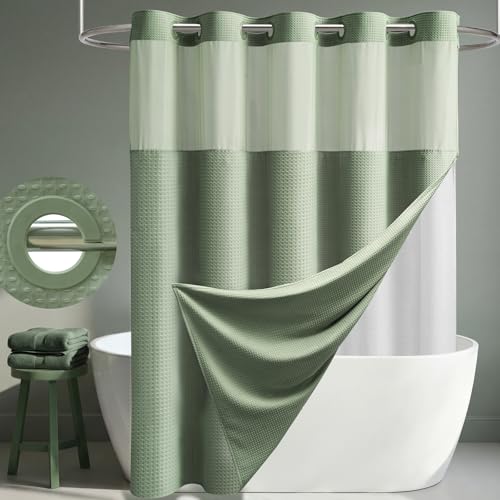
🚿【Hook Free Shower Curtain for Easier Installation】Hang in 10 seconds with hook-free design. Installs in seconds with its innovative open rings, no need to remove the rod, offering a smooth, worry-free glide.The shower curtain and liner are made with high quality fabric.The waffle weave pattern can match any bathroom style, adding an elegant atmosphere to your bathroom.

Post-consumer Recycled Material: Made with 100% recycled polyester, our fabric shower curtain liner contributes a heathier bathroom environment, while featuring soft and smooth touch,breathble feel and wear resistance

DURABLE & CONVENIENT – Enhance your bathroom decor effortlessly with the sleek & classic look of the Hookless Diamond PEVA Shower Curtain. This 2-in-1 shower curtain set features a full length shower curtain with Flex-On rings for easy installation
Washing and Shrinkage Considerations
How do you keep your shower curtain clean without ruining it? Knowing your shower curtain fabric matters most. Most liners go in the washing machine monthly with warm water and detergent, while curtains need cleaning every three months. Shrinkage is a critical consideration: Threshold Waffle Weave shrinks about 2 inches in width and 4 inches in length after just two washes. That’s significant. Check manufacturer labels first because cotton curtains handle machine washing fine, but some fabrics like Dusen Dusen Tulip require hand-washing only. Vinyl needs scrubbing instead. Drying speed varies too; vinyl liners take longer. Understanding these differences prevents unexpected shrinkage and damage to your curtains.
Drying Times by Material
Drying times vary dramatically depending on your shower curtain’s material. Polyester curtains dry quickly and resist wrinkles, making them practical for most users. Cotton can be tumble-dried on low heat, though ironing afterward prevents wrinkling. Vinyl curtains present more challenges; some withstand machine drying, while others require hand-washing and air-drying only. Delicate materials like hemp or PVC-free vinyl can be permanently damaged by rushing the drying process. Using the appropriate drying method for your curtain material extends its lifespan and maintains its appearance.
Which Materials Resist Fading Best
When you’re picking out a shower curtain, fade resistance is an important consideration, particularly if your bathroom receives significant natural light.
Polyester outperforms natural fibers like cotton or linen in fade resistance and maintains vibrant prints effectively. Here’s what you should know:
- Polyester blends offer the strongest fade resistance while staying budget-friendly
- Natural fibers fade over time with sun exposure and washing, though linen does offer durability
- Vinyl options crack and fade easily, but PVC-free alternatives reduce some fading concerns
Polyester or microfiber are your best choices if longevity matters to you. They will keep your shower curtain looking fresh year after year. Natural fabrics offer aesthetic appeal but require more maintenance to prevent color loss.

THICK WEIGHTED FABRIC: featuring thick 230 GSM weighted fabric, the curtain is designed to hang in place outside of the tub and resist moving and blowing; material is wrinkle resistant, and fade resistant for long lasting beauty; superior quality stitching and construction ensures you will enjoy your shower curtain for years to come; please note, liner is not included
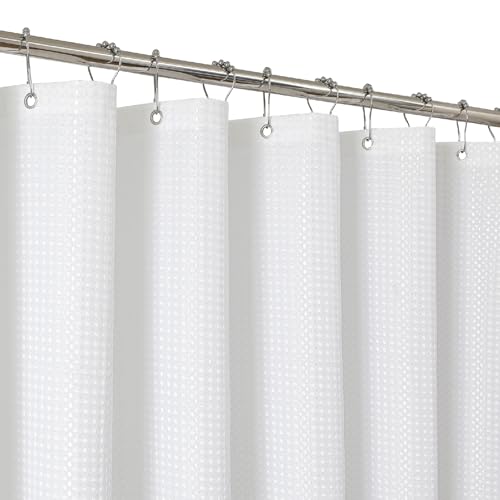
2-in-1 Design, No Separate Liner Required:1 curtain combines shower curtain and waterproof liner functions, reducing the inconvenience of purchasing and installing traditional double-layer sets separately

Hotel quality protection & standard fit: This single-pack 60 x 72 inches shower curtain liner is designed to fit standard to wide tubs and showers. It provides effective water-resistant protection to keep your decorative curtain dry and floors safe, featuring a hotel-grade build for a premium feel. (Hooks not included)
Breathability and Moisture Control: Natural Fabrics Win
When I look at shower curtain materials, I find that natural fabrics like cotton and hemp outperform synthetic options when it comes to letting moisture escape. Vinyl curtains tend to feel damp and sticky because they trap water vapor against the bathroom air instead of allowing it to pass through. Natural fibers allow air to circulate freely, which results in less mildew growth and a fresher-smelling bathroom overall.
Natural Fabrics Excel
Why do so many people prefer natural fabrics in their bathrooms? Cotton and linen offer something synthetic materials cannot match: genuine breathability.
When you choose natural fabrics, you’re investing in moisture control that actually works. These materials excel for specific reasons:
- Cotton and linen allow air to circulate freely, reducing the dampness that creates mildew problems
- Linen’s naturally antimicrobial properties fight mold growth, giving you built-in protection without chemicals
- Proper ventilation paired with timely washing prevents prolonged dampness, keeping your curtain fresh longer
Cotton feels soft and inviting underfoot, while linen delivers durability you’ll notice over years. They demand more careful maintenance than synthetics, but this trade-off yields premium quality. Natural fabrics support sustainable, healthy bathrooms through their superior performance in moisture management and mold resistance.
Synthetic Materials Struggle
While natural fabrics breathe and resist moisture, synthetic options like vinyl and polyester take a different approach and fall short in the bathroom environment. Synthetic materials struggle with moisture management in practical ways.
| Material | Breathability | Mildew Risk |
|---|---|---|
| Vinyl | Poor | High |
| Polyester | Fair | Moderate |
| Cotton | Excellent | Low |
Vinyl curtains trap humidity against your shower walls, creating the dampness that encourages mildew growth. Polyester performs better but still doesn’t match natural fabrics’ ability to let air circulate. Vinyl also emits chemical odors that linger in your bathroom. Moisture management and mildew prevention require more frequent maintenance with synthetic materials compared to natural alternatives.
Polyester Blends: The Performance Sweet Spot
How do you find a shower curtain that actually works hard without demanding much from you? Polyester blends deliver that balance. They’re the performance sweet spot between cost and function.
Polyester blends deliver the performance sweet spot between cost and function without demanding much from you.
These fabrics combine durability with quick-drying properties that natural materials can’t match. What makes them practical:
- They resist wrinkles and maintain vibrant prints longer than cotton or linen, keeping your bathroom looking fresh
- Fast-drying polyester blends reduce mold risk in humid shower environments where moisture lingers
- Machine washing on gentle and tumble-drying on low heat requires minimal effort with almost no shrinkage
The easy care routine stands out. Colors stay bold. Prints hold their detail. If you’re busy and want a reliable curtain that doesn’t need fussing over, polyester blends work for you.
Which Material to Choose for Your Bathroom Type
Polyester blends work great for most bathrooms, but they’re not your only option. The best choice really depends on what your bathroom needs.
For natural fabrics, consider cotton or linen. Cotton feels soft and breathable, though you’ll need a waterproof liner since it wrinkles easily. Linen lasts longer and has antimicrobial properties, but it costs more and also requires a liner.
Polyester is ideal for busy bathrooms because it resists wrinkles, dries quickly, and handles moisture well. For synthetics, recycled polyester is the better choice when available.
Avoid PVC vinyl. While it’s cheap and waterproof, it off-gasses harmful chemicals and harms the environment.