
I’ll walk you through finding your perfect shower curtain size. First, identify your shower type. Standard tubs need 72×72 inches, while walk-ins require 72×84.
Measure your opening width and add twelve inches for proper overlap that stops water leaks.
Then measure from rod to floor, subtracting eight to ten inches for ring clearance.
Common sizes work for most bathrooms, but curved rods need extra width.
Correct measurements prevent gaps, bunching, and water damage.
What Shower Type Do You Have? (Size Depends on This First)
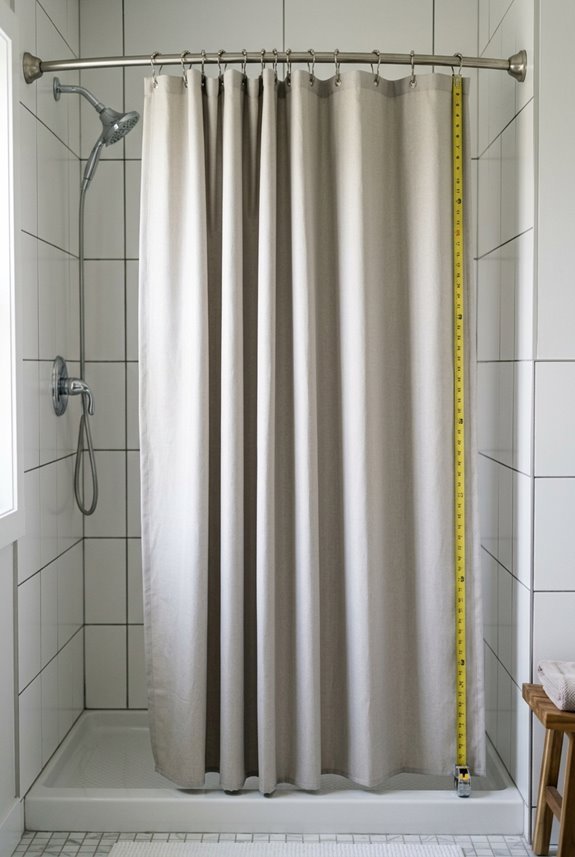
Why does your shower type matter when picking a curtain? Your shower’s layout determines which curtain size actually fits. Getting this first decision right saves frustration later.
Standard bathtub and shower combos need 72 x 72 inches. Stall showers are smaller, so use a 54-inch width by 78-inch length curtain for that typical 36-inch opening. Walk-in showers demand more coverage, requiring a 72 x 84-inch curtain to handle wider openings.
Standard tubs need 72 x 72 inches, stall showers need 54 x 78 inches, and walk-in showers require 72 x 84 inches.
For a curved rod or larger bathroom, add extra width, about 12 inches on each side for standard rods. Curved rods need 24 inches of overlap total.
Clawfoot tubs are different entirely. Use a wraparound with 108 x 72 inches or two panels instead.
Your shower type determines the correct curtain dimensions.

Linen Look & Cotton Touch: Although linen looks high-end, it feels tough and is hard to maintain, easily shrinks after washing, and costs much more than faux linen. The Amazerbath faux linen shower curtain adopts the linen look while avoiding the rough touch and is machine washable, easy to maintain. And at a reasonable price, you can easily achieve your dream high-end bathroom.
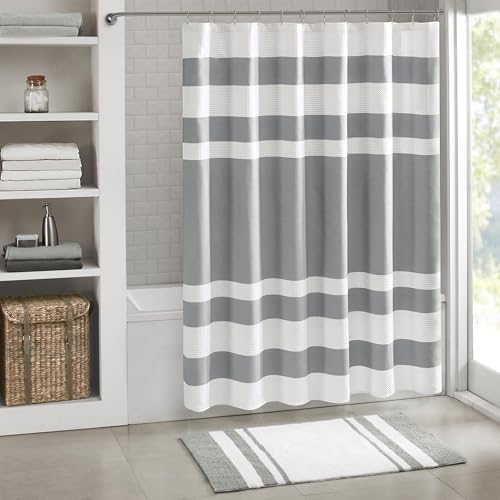
Product Features - Madison Park Spa Waffle Shower Curtain with 3M Treatment. The rich blush pieced with a white waffle weave manipulation makes you feel like you're in the spa while the 3M water repellent treatment keeps your curtain looking newer, longer
Measure Your Shower Opening Width
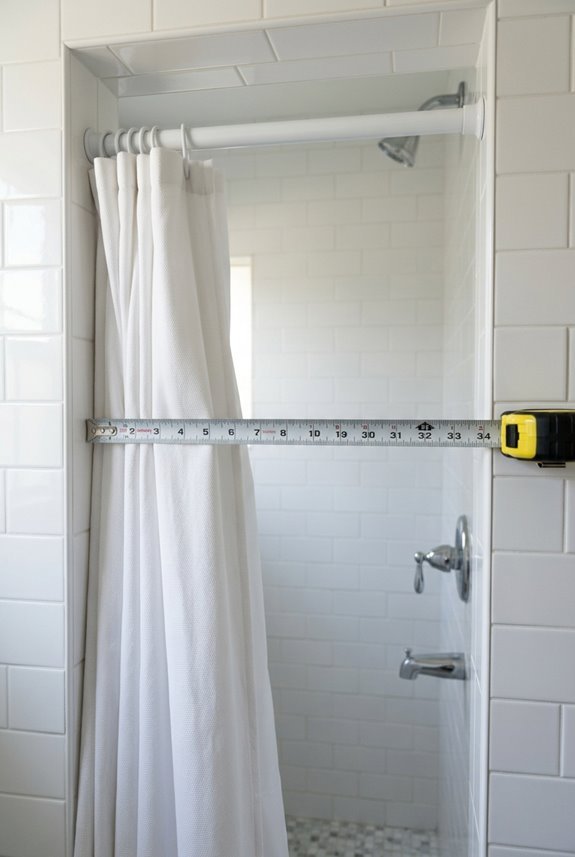
How do you know what curtain width you actually need? Measure your shower opening width from wall to wall or tub edge to edge right at the curtain rod location. This gives you the baseline measurement you’re working with.
Add 12 inches to that number for adequate coverage and drape. If you’re installing a curved rod, add 24 inches instead to accommodate that outward curve. This ensures proper overlap on each side; about 6 inches per side prevents water splashing onto your bathroom floor.
Standard sizes like 72 inches work well for most openings, though options range from 54 to 108 inches. Checking these standard sizes against your measurement helps you pick the right curtain width efficiently.

Waterproof and family-friendly material - AmazerBath clear shower curtain liner is made of premium PEVA material, there is no plastic smell. Super smooth surface design is created to resist water and promote water bead formation for swiftly rolling off the shower liner, keeping your floor dry and clean.
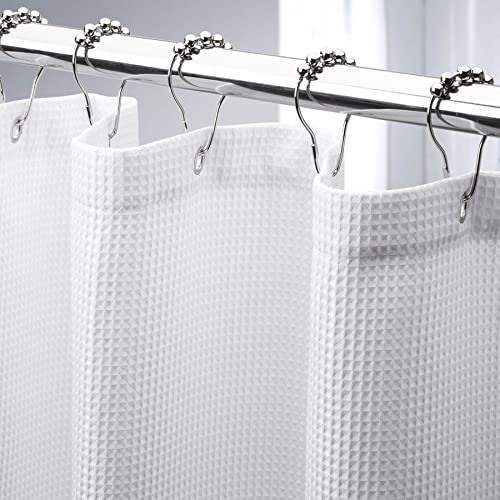
Superior quality - AmazerBath white shower curtain is made of heavy-duty polyester fabric. 240GSM (Gram Per Square Meter), about 0.55 pounds heavier than normal 90GSM fabric shower curtains. It is soft and comfortable to touch, no smell, no-blowing, withstands moist bathroom. Premium quality ensures long-lasting use.

PREMIUM PEVA: Made from heavy duty PEVA material. This extra long stall shower curtain liner is no chemical odor, PVC-free and BPA-free
Calculate Your Shower Curtain Width With Overlap
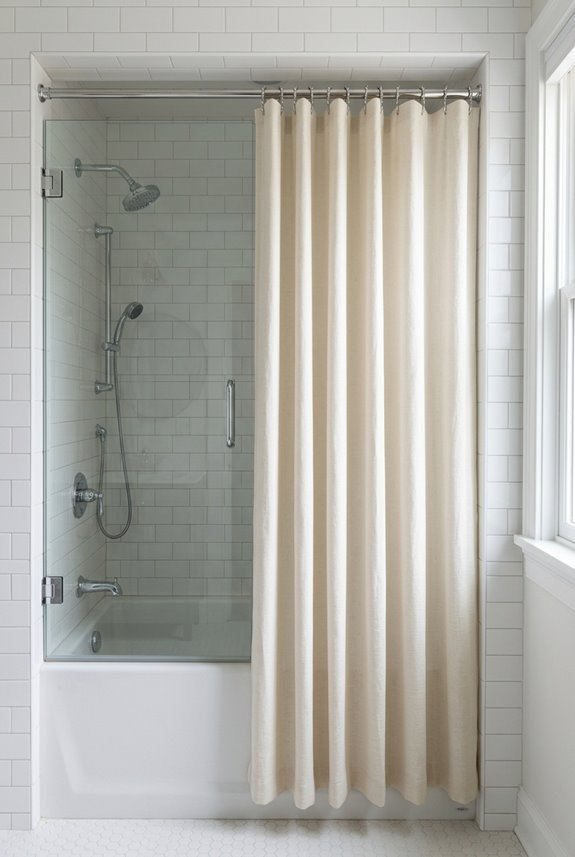
Once you’ve measured your rod width, calculate the right curtain size by adding overlap for full coverage. Add at least 12 inches to your shower opening width, which provides about 6 inches of overlap on each side to prevent water from seeping through gaps. If you’re using a curved rod, plan for extra fabric since curved designs pull outward and need around 24 inches of total overlap to function properly.

Keep Your Bathroom Dry - Our premium PEVA shower curtain liner is waterproof, protecting your decorative shower curtain and keeping your bathroom floor dry, shampoo and soap residues never leaking out.

Waterproof and family-friendly material - AmazerBath clear shower curtain liner is made of premium PEVA material, there is no plastic smell. Super smooth surface design is created to resist water and promote water bead formation for swiftly rolling off the shower liner, keeping your floor dry and clean.

Qualified: High quality PEVA shower curtain liner is a good choice for the person who requires light weight liner for bathtub.Convenient fold, simple and low cost, the liner plays a function to better hold back water in a shower.
Measuring Your Rod Width
Before you buy a shower curtain, measuring your rod is the most important step because it determines whether your curtain actually fits and functions properly. Start by measuring the full width of your shower rod from wall to wall. This rod width gives you your baseline measurement.
Add 12 inches to that number for basic coverage and overlap. If you’ve got a curved rod, add 24 inches instead because the curtain will bow outward. For the best look, aim for a curtain width that’s 1.5 to 2 times your rod width. This proportion prevents gaps and bunching while creating a polished appearance.
Adding Overlap For Coverage
Now that you’ve got your rod width measurement, it’s time to account for overlap, the extra fabric that prevents water from splashing onto your bathroom floor.
Add extra inches based on your setup:
- Standard straight rods need 12 inches of total overlap
- Curved rods require 24 inches due to the outward push
- A 60-inch opening pairs well with a 72-inch curtain width for balanced coverage
- Always measure from your rod to the wall to confirm fit
- Verify that overlap won’t block movement or create obstacles
Your curtain width should typically exceed your opening width by 12–24 inches. This measurement guide ensures proper water containment without cramping your shower space. Accounting for overlap during this step prevents fitting problems later. Double-check those dimensions before purchasing.
Measure From Rod to Floor for Length
Measure straight down from where your curtain will hang. If you’re using rings, account for how much height the hook itself takes up, since that affects your actual drop. Once you’ve got that measurement, you can match it to standard lengths like 72 inches for typical setups or 84 inches for taller spaces, then decide if you want your curtain skimming the floor or hanging slightly above it.

Attention Need to Drill Holes in Wall ! You could refer to the installation video on the page, please use 5/16 inch drill.

Curved Shower Rod Creates Valuable Extra Space: Rustproof shower curtain rod’s innovative curved design adds up to 6.5 inches of elbow room inside your tub or shower

【Sturdy & Rust-proof】 Made of lightweight but strong stainless steel and ABS plastic, lighter than steel, but more durable and rust-proof. Shower curtain rod pass 96 hours neutral salt spray test, ensure rustproof. 0.9MM thickened pipe with excellence load-bearing capacity, NO SAG!
Rod To Floor Measurement
How do you know if your shower curtain will actually cover your tub? Measure from your rod to the floor. This rod to floor measurement is your foundation for getting the right curtain length.
Here’s what I’ve learned about standard installations:
- Measure vertically from the rod down to the floor
- Most rods sit 72–76 inches high, requiring 72-inch curtains
- Higher rods need 84–96 inch lengths for proper coverage
- Account for 1–2 inches per ring attachment
- Add 0.5–1 inch if you’re using a liner
Taking this measurement guide seriously saves you from curtains that gap or puddle awkwardly. Your shower curtain sizes depend entirely on knowing your specific rod height. Grab a tape measure and get that exact number. An accurate measurement ensures you select the correct size on the first try.
Accounting For Ring Height
When you’re measuring for a shower curtain, accounting for ring height is essential to achieve a proper fit. This prevents the curtain from dragging across your tub or leaving awkward gaps at the top.
To measure correctly, start your rod-to-floor measurement from the top ring hook, not the rod itself. Then subtract 8 to 10 inches to account for the curtain rings.
For most bathrooms, a standard 72-inch curtain length works well. If your rod sits higher or your ceiling is tall, an 84-inch curtain may be more suitable. This approach prevents dragging and ensures proper clearance.
Standard Length Specifications
The foundation of getting your shower curtain right is measuring the distance from your curtain rod to the floor. This is the single most important measurement you’ll take. This measurement determines your curtain drop, which directly affects how well your curtain functions.
Standard shower curtain length options include:
- 72 inches works for most standard bathrooms
- 84 inches suits taller installations and higher curtain rod heights
- 54 x 78 inches fits compact shower stalls
- Measure from rod to floor for accurate sizing
- Account for any ring height in your total measurement
Measure twice before purchasing. When you measure from rod to floor, you ensure proper coverage and a polished look that makes your bathroom feel intentional and complete.
Standard Shower Curtain Dimensions: 72×72, 72×84, 54×78, and 108×72
Ever notice how shower curtains come in different sizes? Understanding the standard shower curtain sizes helps you pick the right fit for your space. The most common option is 72×72 inches, which works great for about 85% of standard tub-shower combos. If you’ve got a higher ceiling or rod, the 72×84 inches gives you that extra length you need. For narrower stall showers with a 36-inch opening, the 54×78 inches size is recommended. The 108×72 inches option works best for wider setups like clawfoot tubs. Each dimension serves a specific purpose, so measuring your space first ensures you’ll select the curtain that fits your needs.
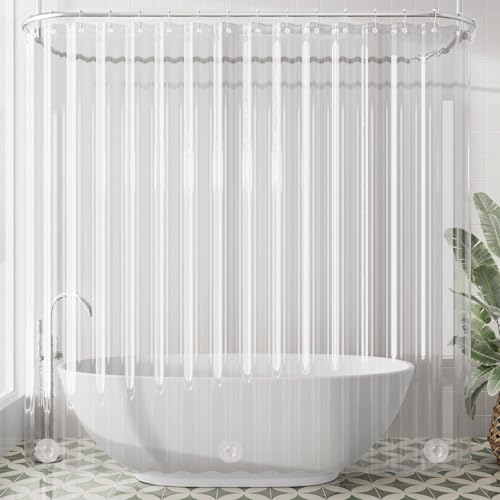
Wrap Around Shower Curtain Liner 108 Inches Wide - This extra wide shower curtain liner measuring 108 inches in width and 72 inches in length is especially meant for clawfoot tub, it could be too wide for normal bathrooms, please measure before purchase.

Material: Premium polyester fabric soft texture; Can be reused; Dries quickly; Machine washable; Bright colors; Used to decorate the bathroom

Natural Linen Blend: Made of 30% natural linen and 70% polyester, it retains natural speckled texture that is soft and light on the skin. The subtle linen flecks and cross-hatch texture on the fabric creates a unique and elegant look, bringing a neutral cozy to your bathroom.
Does Your Bathroom Need Single or Double Panels?
How do you know if one curtain will do the job or if you’ll need two? Use your measurement guide to decide.
Single-panel curtains work great for standard sizes like 72×72 inches. Consider double-panel setups in these situations:
- Your shower opening’s wider than typical dimensions
- You’ve got a curved rod that needs extra coverage
- Water spray escapes around the edges frequently
- Your bathroom has an irregular or corner space
- You want adjustable overlap width on both sides
For double-panel arrangements, plan for total width equaling the opening plus 12 inches overlap, or 24 inches for curved rods. Each panel typically runs 36–42 inches wide and 72 inches tall.
Clawfoot tubs especially benefit from two panels. You’ll reduce gaps and gain better water containment. Measure your space accurately to make your choice with confidence.
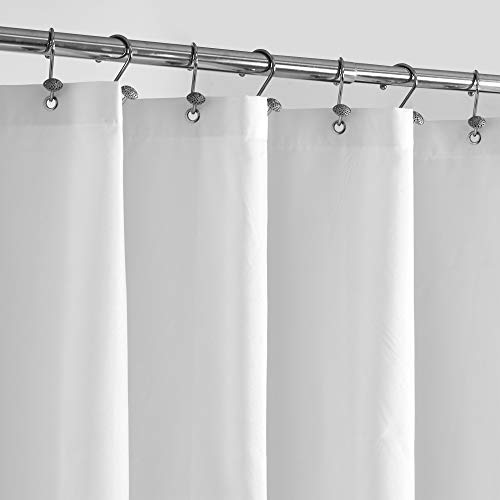
SOFT & 100% WATERPROOF: This shower curtain liner is made of premium fabric with the ultimate waterproof coating tech, making it completely water proof but still soft feeling
Premium PEVA: Made of heavy duty PEVA material. This 60 inch wide shower curtain liner with 10 grommet holes is no chemical odor, PVC-free and BPA-free
Superior heavy-duty polyester fabric - AmazerBath white shower curtain waffle weave is made of heavy-duty polyester fabric. 240GSM (Gram Per Square Meter), about 1.1 pounds heavier than normal 90GSM fabric shower curtains. It is comfortable to touch, no smell, no-blowing, withstands moist bathroom and ensures long-lasting use. Warm tips, this package only includes a waffle shower curtain, hooks are not included.
Subtract Ring Height From Your Rod-to-Floor Measurement
When figuring out how long your shower curtain should be, you’ll need to do a quick math problem with your measurements. Measure from your curtain rod to the floor, then subtract 8–10 inches to account for ring height. This rod-to-floor measurement minus the ring height gives you your recommended curtain length for a proper drop calculation.
Ring height typically adds about 1 inch per ring. If you’re using multiple rings, multiply that by how many you have to adjust your total drop. Always begin measuring from the ring hook itself for accuracy.
Standard sizes like 72 inches and 84 inches work best depending on your ring configuration. This measurement approach ensures your shower curtain hangs at the correct length.
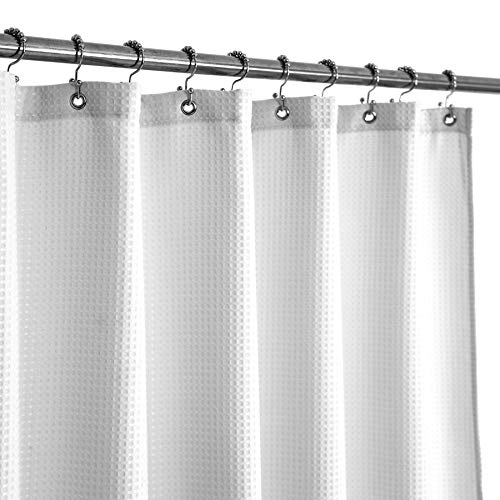
Hotel Luxury: Soft waffle-weave shower curtain with diamond pattern evokes a luxurious, spa-like feel, brings luxury hotel style to your bath stall
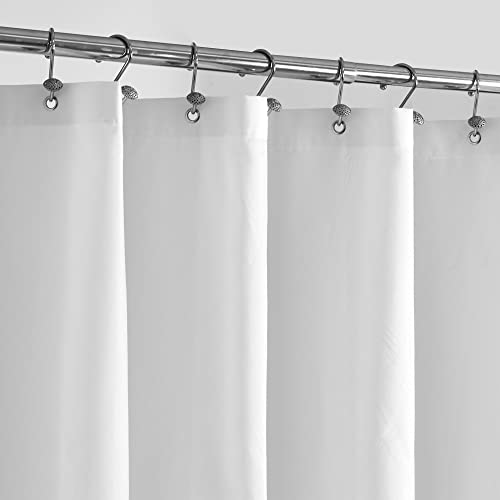
SOFT & 100% WATERPROOF: This shower curtain liner is made of premium fabric with the ultimate waterproof coating tech, making it completely water proof but still soft feeling

Waterproof fabric shower curtain liner: Titanker shower curtain liner is made of soft fabric and is covered with a waterproof coating, making it greatly waterproof.
Common Measurement Mistakes That Cause Gaps and Bunching
I’ve found that most measurement slip-ups happen when you’re not paying close attention to three specific areas: measuring the rod itself instead of accounting for where your curtain actually needs to sit, skipping that crucial 12-inch overlap addition on each side, and forgetting to subtract 8–10 inches for ring clearance from your rod-to-floor length. These mistakes might seem small, but they’re what create those frustrating gaps at the sides where water sneaks out and curtains that bunch up or drag on the floor. Understanding each of these areas will help you achieve accurate measurements on the first attempt.
SOFT & 100% WATERPROOF: This shower curtain liner is made of premium fabric with the ultimate waterproof coating tech, making it completely water proof but still soft feeling

🚿【Thick "Cotton" Type Fabric Shower Curtain】Made from expertly chosen and tested Heavyweight Polyester Fabric, touches like a cotton feel. Honeycomb waffle weave pattern adds elegance to your bathroom.

FEEL THE HEAVY-DUTY DIFFERENCE: This heavy duty shower curtain liner is made of 8G thick, premium PEVA material to resist rips and tears, saving you the cost and hassle of frequent replacements.
Measuring Rod Instead Of Width
Why do so many shower curtains gap at the sides or bunch up awkwardly? The culprit is confusing rod width with curtain width. This measurement mistake happens constantly and will sabotage your setup every time.
What works:
- Curtain width should be 1.5–2× your rod length, not equal to it
- Standard sizes assume proper overlap on both sides
- Curved shower rods need 4–6 extra inches beyond rod length
- Gaps let water escape, defeating your curtain’s purpose
- Overlap prevents water from sneaking around the edges
When measuring, confirm whether you’re measuring the rod-to-wall opening or the actual curtain width needed. Then multiply by 1.5–2 times the rod width. Adding the recommended 12-inch overlap on each side eliminates gaps and bunching, ensuring proper water containment.
Forgetting The Overlap Addition
Most people measure their shower opening, buy a curtain that matches that exact width, and then wonder why water pools on their bathroom floor.
You need to add extra curtain width beyond your measurement. Standard overlap, the amount your curtain extends past the rod on each side, should be at least 12 inches total. This overlap prevents water from escaping around the edges.
When you skip this step, your curtain bunches awkwardly when you open and close it, and gaps appear between the curtain and walls. With standard 60-inch tubs, insufficient overlap means more exposure to splashing water.
When accounting for rods and hooks, remember they add about 13 inches to your effective measurement. Add that overlap to your shower opening measurement to get the right standard size for your space.
Ignoring Ring Height Adjustment
When you measure your curtain length, people often make one critical mistake: they forget that rings actually change how long your curtain really hangs. Here’s what happens: rings add height to your shower curtain drop, which means your measurement accuracy suffers if you don’t account for them.
Measure with rings already in place. This matters because:
- Rings create 8–10 inches of extra height above your curtain
- Rod-to-floor measurements become misleading without rings attached
- Your curtain length needs adjustment based on ring size
- Ignoring ring height adjustment causes bunching or gaps
- You’ll get proper shower curtain drop only when measuring accurately
When you subtract that ring height from your rod-to-floor distance, you’ll get the real curtain length you need. Measure with rings on to ensure accurate dimensions.
Choose the Right Liner Size and Hardware
How do you keep your shower curtain looking fresh and lasting longer? Pairing your outer curtain with a matching liner protects your curtain and extends its life substantially.
When selecting a liner size, match it to your curtain size or go 1–2 inches smaller. Common measurements include 72 x 72 inches and 72 x 84 inches. The liner should be about 24 inches shorter than your outer curtain for proper drainage.
For rod and rings setups, choose liners that align with your curtain dimensions. This keeps everything moving smoothly.
Consider your liner material carefully. PEVA or vinyl liners offer moisture resistance and require minimal maintenance. Fabric liners need regular washing to prevent mildew. Your choice depends on your cleaning commitment and bathroom environment.

CURVED DESIGN FOR ADDED SHOWER SPACE: Curved rod provides extra elbow room and helps keep the shower curtain away for a more comfortable experience

Curved Shower Rod Creates Valuable Extra Space: Rustproof shower curtain rod’s innovative curved design adds up to 6.5 inches of elbow room inside your tub or shower
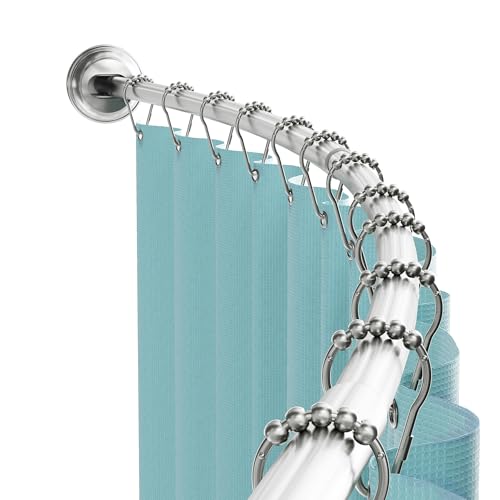
Curved Shower Rod Creates Valuable Extra Space: Rustproof shower curtain rod’s innovative curved design adds up to 6.5 inches of elbow room inside your tub or shower
Installation Tips for a Polished, Water-Tight Fit
Getting your shower curtain installed correctly makes all the difference between a setup that works and one that leaks water onto your bathroom floor. Proper installation requires attention to detail and careful planning.
Focus on these steps for a water-tight fit:
- Mount your rod level using a quality level tool
- Space rings or hooks evenly across the rod for uniform hang
- Measure width wall-to-wall where your rod sits
- Position your liner to overlap slightly, preventing water escape
- Ensure your shower curtain size matches standard sizes or your specific opening
Measure twice before installing anything. Rod placement is critical to preventing leaks. Your liner should be 1–2 inches smaller than your outer curtain, creating that essential overlap. When everything’s aligned properly, water stays contained in the shower and off your bathroom floor.

Material and Size: The yellow floral printed shower curtain size is 108 inch width x 72 inch length; High quality polyester; Includes eighteen plastic hooks
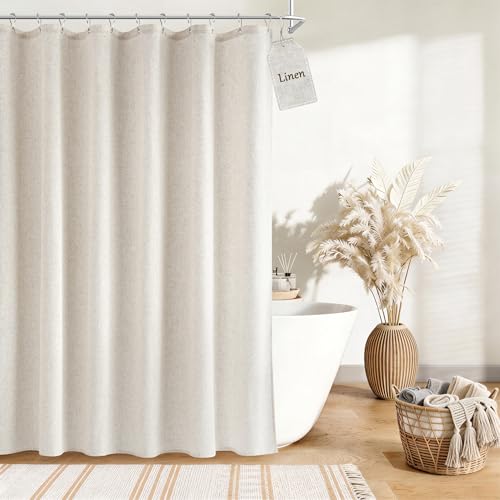
Natural Linen Blend:Imported linen blend fabric with natural slubs and cross weave texture. Soft, breathable, and lightweight. Earthy tones and two-color yarn weaving create a rustic vintage look. Fits Bohemian, farmhouse, or modern bathrooms.

HIGH QUALITY: Made of 100% premium polyester fabric, 120 GSM - very soft and comfortable; Premium quality promotes our extra wide shower curtain long lasting
Going Custom: When Standard Sizes Don’t Work
Sometimes your bathroom doesn’t fit the mold—literally. When standard sizes don’t work for your irregular openings, custom sizing becomes your solution. Measuring twice or three times prevents costly mistakes.
You’ll need professional measurements if your ceilings soar above nine feet or your shower space has an unusual shape. Standard curtain widths top out around 108 inches, but you might need something wider. Similarly, if your shower’s taller than average, lengths beyond 84 inches work better.
Consider liner compatibility when planning custom widths. Not every liner matches non-standard measurements, so check availability first. Whether you’re dealing with narrow 32-inch openings or expansive spaces exceeding 110 inches, taking time to measure your exact dimensions ensures your custom curtain fits perfectly and functions as intended.