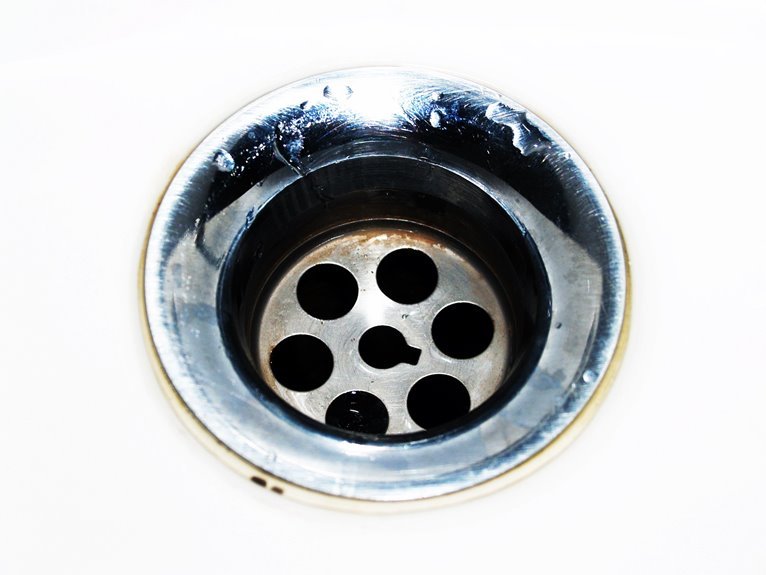
Your bathroom sink smells like sewer because trapped debris, bacteria, and biofilm are decomposing in your drain pipes. Corrugated pipes with ridged surfaces trap grease and soap scum in hundreds of tiny pockets, creating ideal conditions for odor-causing bacteria.
A dry P-trap, the U-shaped pipe under your sink, can also let sewer gases escape indoors when water evaporates. Blocked vent pipes back up these gases too. You can identify which problem you’re facing and fix it with the right approach.
Corrugated Drain Pipes: Where Debris Gets Stuck
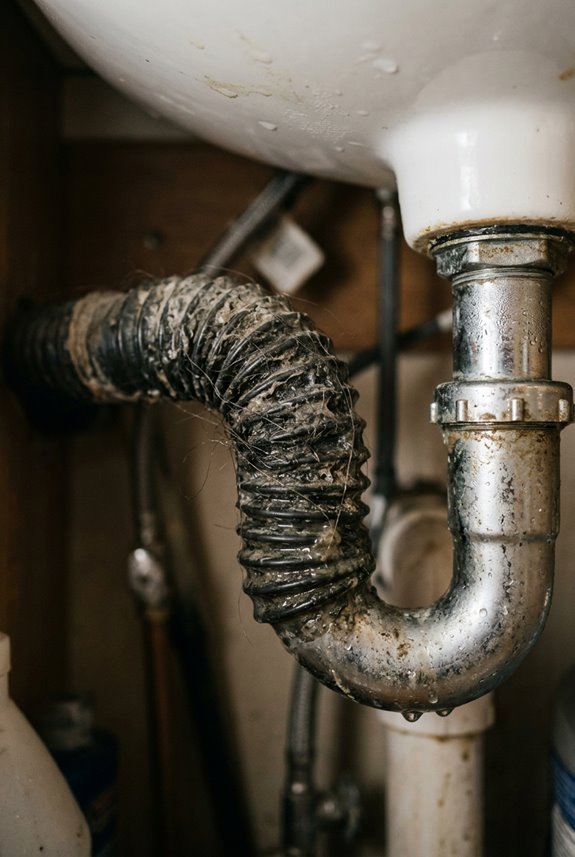
Ever wonder why your bathroom sink smells like a sewer even after you’ve cleaned it thoroughly? Corrugated pipes are the culprit. These flexible, ribbed sections trap debris, grease, and soap scum in hundreds of tiny pockets.
The irregular surface creates more space for biofilm and bacteria to build up than smooth pipes would. As organic matter decomposes in these hidden pockets, it releases musty, sewer-like odors that travel back up your drain.
Common DIY fixes like baking soda and vinegar won’t work here. They can’t penetrate the biofilm deep inside corrugated sections. The problem requires a real solution: replacing these problem pipes with smooth P-traps and straight connections.

Drain Clog Remover: 2025 Best Sink Cleaner And Deodorizer. The Yugou Drain Cleaner Is Here To Eliminate All That Struggle So You Can Unclog Your Sink, Kitchen Sink, And Bathroom Drain

TRUSTED BRAND: Drano has been used and trusted for generations. Avoid spending money on a plumber and use Drano.

Mrs. Meyer’s Probiotic Drain Maintenance contains micro-helpers that actively work to prevent buildups, and freshen up any drain with the floral, herbal, garden-inspired scent of Lavender
Dry P-Traps That Allow Sewer Gas To Escape
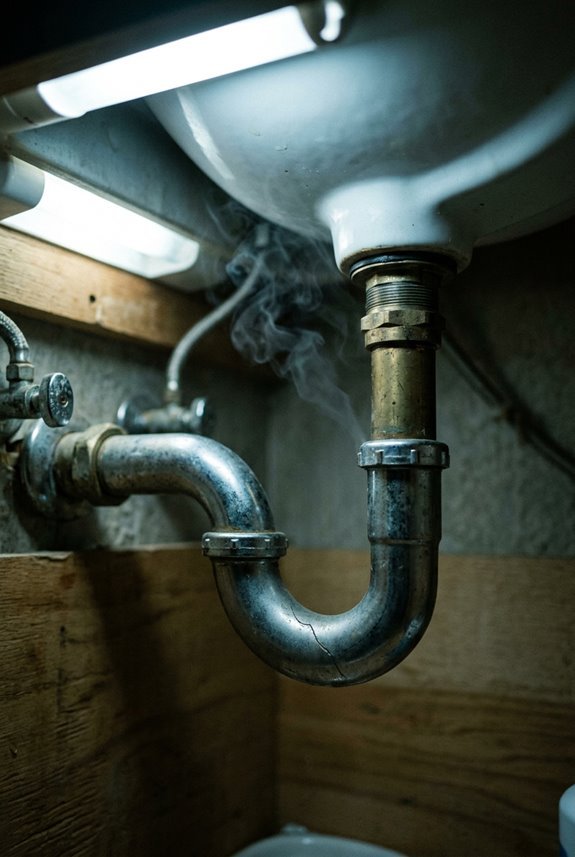
A dry P-trap is a common cause of bathroom sink odor. When you don’t use a sink for weeks or months, the water sitting in that U-shaped pipe under your sink gradually evaporates, leaving no barrier between you and the sewer gases trying to escape from below. Running hot water down the drain for a minute or two will refill that trap and block those nasty odors from coming back up into your bathroom.
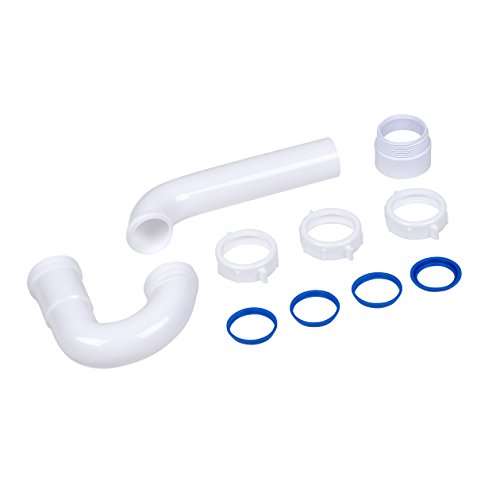
Made of PVC for easier cutting and glue applications

ACCORRDIAN DESIGN – Extends length from 10” to 13”

Water Seal Evaporation
What happens when you don’t use a bathroom sink for weeks? The water inside your P-trap slowly evaporates. This happens faster in warm, dry climates where the air pulls moisture away quickly. Without that standing water seal, sewer gases like hydrogen sulfide escape into your bathroom, creating that awful rotten-egg smell.
| Condition | Evaporation Speed | Odor Intensity | Solution | Timeline |
|---|---|---|---|---|
| Warm climate | Fast | Strong | Run water daily | 1-2 weeks |
| Cool climate | Slow | Mild | Weekly use | 3-4 weeks |
| Rarely used sink | Very fast | Severe | Regular flushing | Days |
| Humid bathroom | Slow | Minimal | Monthly check | 6+ weeks |
| Cracked trap | Constant | Persistent | Replace trap | Immediate |
Running water restores the seal temporarily. However, you should replace your P-trap if evaporation keeps happening.
Unused Sink Prevention
How quickly does a forgotten sink become a problem? Faster than you’d think. When you don’t use a sink regularly, the water-seal in your P-trap evaporates, usually within a week or two. Once that barrier disappears, sewer gases escape right into your bathroom.
Preventing a dry-trap is simpler than fixing one. Run water down unused sinks weekly, just thirty seconds does it. This keeps your water-seal intact and blocks those musty odors from rising through.
If you’ve got multiple sinks sharing plumbing, one neglected sink can trigger problems in adjacent ones. Venting issues compound the smell. Check guest bathrooms and basement sinks regularly. A little routine maintenance now prevents frustrating odors later and maintains a fresh bathroom environment.
Biofilm Buildup Creating Musty, Sewer-Like Odors
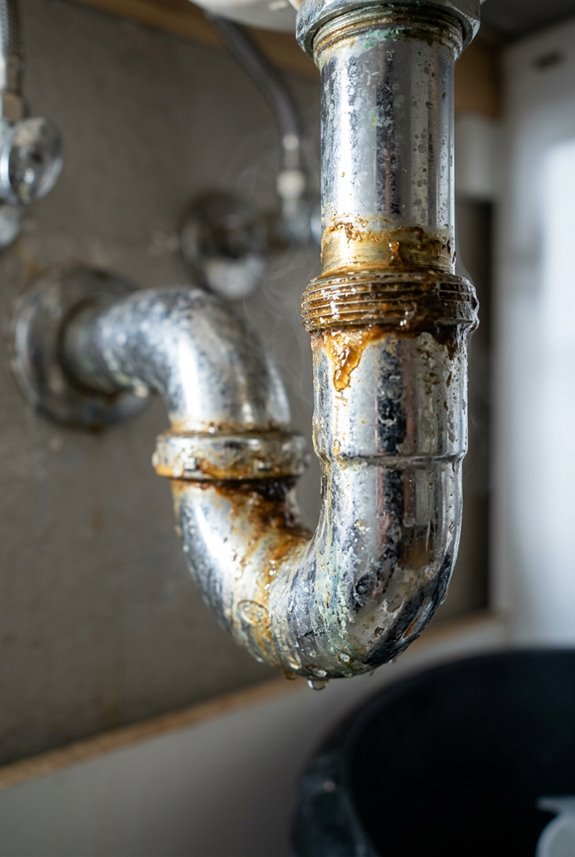
Biofilm, a slimy layer of bacteria that builds up inside drain pipes from soap scum, hair, grease, and other organic matter, is a major culprit behind foul bathroom sink odors. This problem worsens when hot water runs down the drain because the heat agitates the biofilm and releases the musty, sewage-like odors trapped in the slime coating your pipes. Regular maintenance using enzymatic cleaners or professional drain snaking can break down this buildup and prevent these odors from returning.

【Complete Kit】 Includes straight pipes, elbow joints, adapters, seals and thickened silicone Washer - everything needed for most drainage projects without extra purchases.

✔️【Universal Sink Waste Compatibility】The P-trap kit for single kitchen sinks includes one 1-1/2" expandable waste discharge tube, one S-shaped bracket, two 1-1/4" adapters, two sealing gaskets, and one sealant tape. This kit is designed to fit both 1-1/2" and 1-1/4" under-sink wastewater outlets.

Universal Compatibility: This bathroom sink drain repair kit include many sink drain tubular parts ,can be installed to be P trap kit or S trap drain kit to fits most sink drains with 1 1/4" drain pipes, no matter you need connect to the wall or floor, this completed bathroom sink drain kit can be used for you .
Biofilm Formation And Causes
Because you’ve probably noticed that sewer smell getting stronger when you run hot water down the drain, it’s worth understanding what’s actually happening inside your pipes. Biofilm forms through a specific biological process that creates those foul odors.
Biofilm develops when bacteria accumulate in your drain, feeding on grease, soap scum, hair, and organic matter. Hot water activates these decomposing materials, releasing sewer gases that escape through your sink. The process works like this:
- Bacteria colonize pipe walls, creating slimy layers
- Grease and soap attract more organic buildup
- Your P-trap water seal blocks some gases, but not all
- Ribbed pipes develop hundreds of micro-niches where bacteria thrive
This persistent problem requires more than simple flushing to solve. The biofilm layer continues to grow and produce odors until the underlying bacterial colonies are eliminated.
Odor Activation With Hot Water
Why does your drain smell worse when you run hot water? The culprit is biofilm, the slimy bacterial layer coating your pipes. When you turn on the hot water, you’re essentially activating the odor trapped inside.
Bacteria in the biofilm thrive on warmth. As temperatures rise, these microbes become more active and start breaking down organic debris like hair and soap scum. This metabolic process releases musty, sewer-like smells that weren’t noticeable before.
Cold water doesn’t trigger this same reaction. That’s why you might notice the odor disappears when you flush with cold water, only to return once hot water flows through again.
The temporary worsening you experience is real chemistry at work.
Professional Cleaning And Prevention
How can you actually stop that sewer smell from coming back? Professional drain cleaning tackles the biofilm problem at its source. When enzyme cleaners break down that slimy buildup, you’re removing what causes the odor, not just masking it.
For lasting prevention, follow these steps:
- Schedule professional cleaning annually to eliminate stubborn biofilm before it accumulates
- Flush drains weekly with hot water to keep debris from settling
- Never leave fixtures unused for extended periods, as stagnant water breeds more biofilm
- Replace corrugated drains with smooth P-trap assemblies that reduce debris pockets
Prevention is more effective than repeatedly addressing odors. Regular maintenance keeps your drains fresh and healthy, reducing the need for emergency repairs and ensuring consistent drainage performance.
Blocked Vent Pipes Backing Up Sewer Gas
When sewer gas pushes back into your bathroom instead of escaping safely, you’re likely dealing with a blocked vent pipe. This is one of the most common culprits behind persistent sink odors. Your home’s vent pipes work like lungs for your plumbing system. They let sewer gases escape through your roof so they don’t enter your living spaces. When debris, leaves, or ice clog these vent pipes, gases can’t leave properly. Instead, they back up and force their way into your bathroom through fixtures like sinks and drains. You’ll often notice gurgling sounds and slow drainage alongside the smell. Have a plumber inspect your roof vent or clear any visible blockages yourself if you’re comfortable doing so.

TRANSITIONS BETWEEN PIPE TYPES: As part of a complete drainage system, the HDPE corrugated adapter connects two different pipe types to convey excess water for proper release downstream

Versatile Connection Design: This polypropylene DWV flexible tee/wye coupler seamlessly connects both 3-inch and 4-inch corrugated pipes, providing exceptional compatibility with traditional corrugated pipe systems and 4-inch PVC for comprehensive drainage solutions
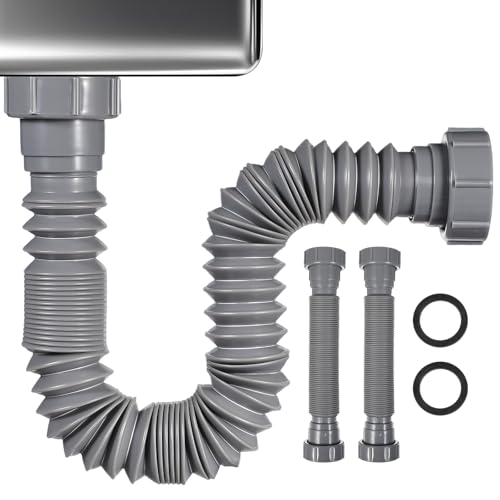
Universal Fit for 1-1/2" Sinks: This 2-pack sink drain pipe kit includes sealing rings to seamlessly connect to both standard 1-1/2" drain outlets. Ready for kitchen sinks, bathroom vanities, and laundry drains
Diagnose Your Sink Smell In 5 Minutes
Before you call a plumber or buy drain treatments, figure out what’s actually causing that smell in your bathroom sink.
Start with a quick diagnostic process. First, check your P-trap, the curved pipe under the sink. If it’s dry, you’ve found your culprit. Next, run water down the drain and listen for gurgling sounds, which suggest blocked vent pipes aren’t working properly. Then, smell near the drain opening itself. A musty odor points to biofilm buildup from grease and soap.
Investigate these points:
- Whether water sits in your P-trap or evaporates
- If your drain gurgles or drains slowly
- Whether you smell mustiness or pure sewer gas
- If multiple sinks have the same problem
This five-minute check narrows down your issue quickly and identifies which problem requires action.

DURABLE MATERIAL: The brush rod is made of high quality stainless steel, flexible and bendable. The spiral bristles are strong and dense for effective multi-functional cleaning in the home, hanging design for easy storage

You will get 1 pcs 66" dual-ended drain brush with 0.6" and 1.2" diameter bristle heads, 1 pcs 58" pipe brush with 0.5" diameter bristle head, 2 pcs 8" straw cleaner brush with 0.4" diameter bristle head.

【Complete 5-Piece Cleaning Set】Stop buying separate tools for each job. This five-piece brush set works on dryer vents, drain pipes, fridge coils, and tight crevices. One affordable kit helps you clean multiple areas around the house without searching for different tools.
Why Common Home Remedies Fail
I’ve seen plenty of homeowners reach for the baking soda and vinegar before they understand what’s actually creating that smell. This is where things go wrong.
Baking soda and vinegar don’t eliminate biofilm, that slimy bacterial layer coating your pipes. They also can’t break down grease or deeper drain buildup. You’re actually pushing debris further down, making problems worse.
Boiling water provides only temporary relief before the smell returns. It can even crack older PVC pipes when temperatures drop.
The real issue often runs deeper: a dry P-trap, stubborn biofilm, or vent issues that home remedies simply can’t reach. Professional cleaning is required to solve the problem permanently.

Stop The Stink: Clean and freshen any drain in your home with quick deodorizing tablets. The unique fizzing and fragrance technology helps eliminate foul drain odors and boosts fragrance to freshen the room.

TRUSTED BRAND: Drano has been used and trusted for generations. Avoid spending money on a plumber, and use Drano once a month for drain maintenance and clog prevention.

ENZYME ENHANCED FORMULA: Green Gobbler Enzymatic Drain & Grease Trap Cleaner uses an enzyme enhanced formula to clear buildup and remove odors in grease traps, septic tanks and similar plumbing systems. It helps digests oils, fats, grease, sludge and other food waste within hours of application. This bottle uses anti-glug technology to help reduce splashing and provides up to eight treatments.
Fixes Worth Trying Before Calling A Plumber
So you’ve got that sewer smell, but you’re not ready to call in the pros just yet. Let me walk you through some fixes I’ve found actually work before you spend money on a plumber.
- Flush with boiling water weekly to clear minor buildup and keep your trap filled with water, which blocks odor
- Try baking soda and vinegar to disrupt the biofilm causing the smell, though this won’t fix deep clogs
- Inspect your P-trap under the sink for debris or leaks, refill it with water, and test drainage
- Check your venting system if multiple fixtures are slow or gurgling, since blocked vents create sewer smells
These steps address most common odor issues you’ll encounter.

PREMIUM QUALITY & DURABILITY – Built from polypropylene tubular construction with a PVC Marvel adapter, this P-Trap kit ensures long-lasting durability, corrosion resistance, and a leak-free connection for all your plumbing needs.

P-TRAP KIT: P-trap keeps your home safe by preventing sewer gas from escaping out of your bathroom plumbing fixtures or drains
When To Call A Professional vs. DIY
You can tackle some sewer smells yourself, such as clearing a dry P-trap, using hot water and baking soda on minor clogs, or checking for visible leaks under the sink. However, you need to know when DIY fixes won’t work. If you’re hearing gurgling drains, noticing slow drainage in multiple fixtures, or smelling that sewer odor again after you’ve already tried cleaning, call a professional. If you’re feeling dizzy, nauseous, or experiencing headaches alongside the smell, skip the DIY route and contact a plumber immediately. These symptoms could indicate dangerous hydrogen sulfide gas exposure.
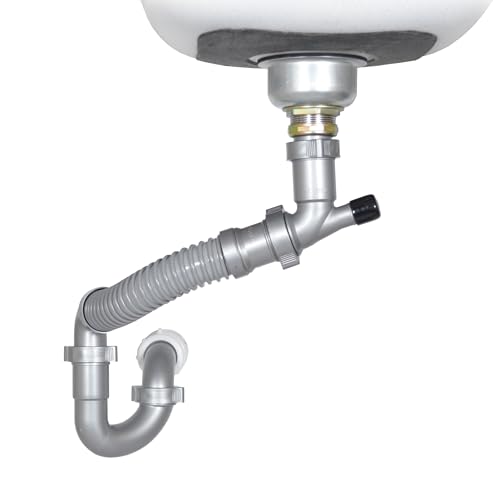
【UNIVERSAL KITCHEN SINK DRAIN KIT】The Snappy Trap DK-100 sink drain kit covers all your kitchen drain needs with a simple, one-step installation. Designed for universal compatibility, it fits all home kitchen sinks.

【Versatile Bathroom Sink Drain Pipe Kit】:This comprehensive kit boasts a robust stainless steel drain and a versatile, flexible drain pipe. Designed for compatibility with vessel sink openings from 1.6" to 2.2" in inner diameter, it also accommodates drain holes with a diameter of 1-1/4" or 1-1/2". The kit aligns with US standard sink drain pipe specifications, ensuring a perfect fit for your plumbing needs.
DIY Remedies And Limitations
When’s the right time to grab the baking soda and vinegar, and when should I admit defeat and call a plumber?
DIY methods work best for fresh odors. Boiling water and baking soda give temporary relief, but they won’t touch deep biofilm or grease buildup. Consider these factors before deciding:
- Quick wins: A dry trap needs water refilled. This solves many cases fast.
- Warning signs: Persistent smells after two DIY attempts indicate something deeper’s wrong.
- Red flags: Gurgling sounds, backups, or nausea indicate vent pipes or sewer line issues requiring professional assessment.
- Long-term solution: Professional drain cleaning or replacing corrugated pipes prevents recurring problems.
Call a professional when DIY fails or you notice gas exposure symptoms. They’ll diagnose whether your dry trap, blocked vents, or compromised sewer line needs fixing.
Signs Requiring Professional Help
How do I know when I’ve reached my limit with DIY fixes? If you’re still noticing sewer smells after tackling your dry P-trap and running drain cleaner, it’s time to call someone. Persistent odors, slow drains, and gurgling sounds indicate a blockage exists deeper in your main line. You’ll also want professional help if you spot cracks around the P-trap or signs of rust and corrosion.
When you experience dizziness or headaches near the sink, don’t wait. That’s a safety issue requiring immediate assessment. A plumber can perform a vent inspection to confirm your venting works properly. If DIY attempts fail within a few weeks, professional drain cleaning provides lasting results and identifies underlying issues before they become costly.
How Plumbers Replace Corrugated Pipes Permanently
Why do corrugated pipes cause so much trouble? Those wavy, flexible pipes trap debris and bacteria in countless tiny crevices, creating persistent odors that baking soda can’t fix. I can solve this permanently.
Corrugated pipes trap debris and bacteria in tiny crevices, creating persistent odors that simple fixes can’t solve permanently.
When I replace corrugated pipes, I:
- Remove the damaged corrugated section and install smooth, rigid P-trap assemblies that won’t harbor bacteria
- Cut and fit new pipe with proper slope to ensure water flows freely without pooling
- Create airtight seals throughout the system to prevent sewer gases from escaping into your bathroom
- Assess your venting system and repair blocked vents so gases properly exit outdoors
After installation, I snake the drain to remove biofilm buildup, then flush and test everything. You’ll notice immediate improvement with no more mystery smells.
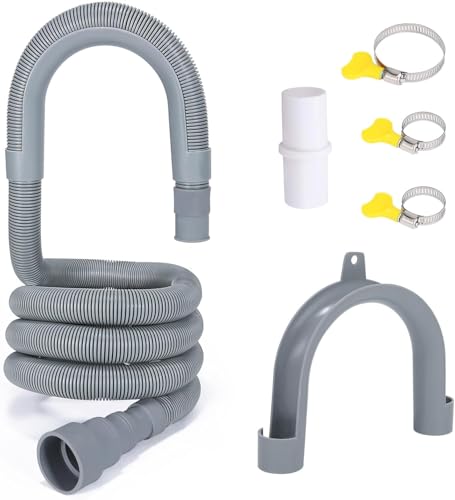
【Highly compatible】-Multi-diameter drain hose comes with connector of four different diameters (3/4, 7/8, 1-1/4, and 1-1/2 inches), which can be cut to the size that suits your needs.

【Size Selection Guide】This product is the 4-inch outlet version. If your 3-inch single-wall corrugated pipe connects inside a 4-inch fitting,please choose the 4-inch version. If your drainage system is entirely 3-inch pipe with no 4-inch fitting involved,please select the 3-inch version from the variation options to ensure proper fit.

The Perfect Combination: The end of the washing machine drain hose fits perfectly with the washing machine outlet. The extended adapter also allows the two tubes to be perfectly combined, without tools, and can be safely connected without worrying about leaking or flooding.
Drain Snaking And Professional Cleaning: What Happens
Once you’ve decided to tackle that bathroom sink smell, drain snaking is often the next logical step and one of the most effective ways to actually eliminate the source of the odor instead of just masking it. A plumber inserts a flexible auger into your drain to break up hair, soap scum, and organic buildup that harbor bacteria. Professional cleaning goes further. After snaking, they flush with water or enzymatic cleaners to remove biofilm coating the pipe walls. Plumbers test drainage by running water to ensure the trap refills and odors subside. They’ll also inspect your P-trap for leaks. If odors persist, a blocked vent might be the culprit, requiring additional investigation and clearing.

Sink Drain Brush Kit : This set includes two 16.7" long brushes with diameters of 1.26" and 0.6", plus a versatile crevice brush. Designed to remove clogged hair, sticky grime, and debris from drains and pipes efficiently.

All-in-One Drain Brush and Drain Snake Cleaner Tools Kit
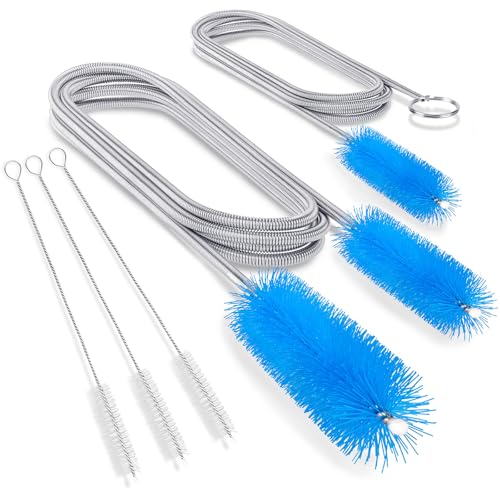
【Dual Ended Design】 This 66-inch flexible drain brush is designed to reach deep into kitchen sinks, bathroom pipes, and curved plumbing to help remove hidden buildup. Two different brush heads work together to help clean tight spaces effectively.
Preventing Sink Smell: Your Maintenance Checklist
Professional drain cleaning works wonders, but staying on top of drainage maintenance prevents most odor problems before they start. You’ll notice a real difference when you commit to these habits:
- Flush your P-trap weekly with hot water, especially for sinks you don’t use often
- Pour a gallon of boiling water down the drain weekly to clear grease buildup
- Schedule professional cleaning annually to remove biofilm and hair that create odors
- Keep your vent pipes clear so sewer gases don’t seep into your bathroom
Treat these tasks like brushing your teeth. They are non-negotiable routines that keep everything running smoothly.
The Health Risks Of Prolonged Sewer Gas Exposure
While that bathroom sink smell might seem like just an annoying nuisance, prolonged exposure to sewer gas causes headaches, dizziness, and nausea that can impact your daily life. Hydrogen sulfide and other harmful compounds accumulate in poorly ventilated spaces, creating serious health risks over time.
If you’re dealing with this smell consistently, your body is signaling a problem. People with asthma or chronic conditions experience worse effects. High concentrations can cause loss of consciousness in extreme cases.
Proper ventilation and addressing the source immediately are essential. Address these warning signs to maintain a safe home environment.
Keep Your Sink Smelling Fresh Year-Round
How do you keep that sewer smell from coming back? I’ll share what actually works.
You’ll want to establish a routine that targets the main culprits: your P-trap, biofilm buildup, and vent blockages. Here’s what to do:
- Run water through unused sinks weekly to keep your P-trap full and seal out sewer gases
- Flush drains with hot water after cleaning to dissolve grease and soap scum that feed biofilm growth
- Inspect your venting biannually for blockages that let gases back up into your bathroom
- Use enzyme cleaners occasionally or schedule professional cleanouts to control biofilm year-round
Consistency matters more than complexity. These steps don’t require special skills or expensive equipment. You’re essentially maintaining the barriers that protect your home from odors. When you stay proactive, you prevent problems from starting in the first place.