
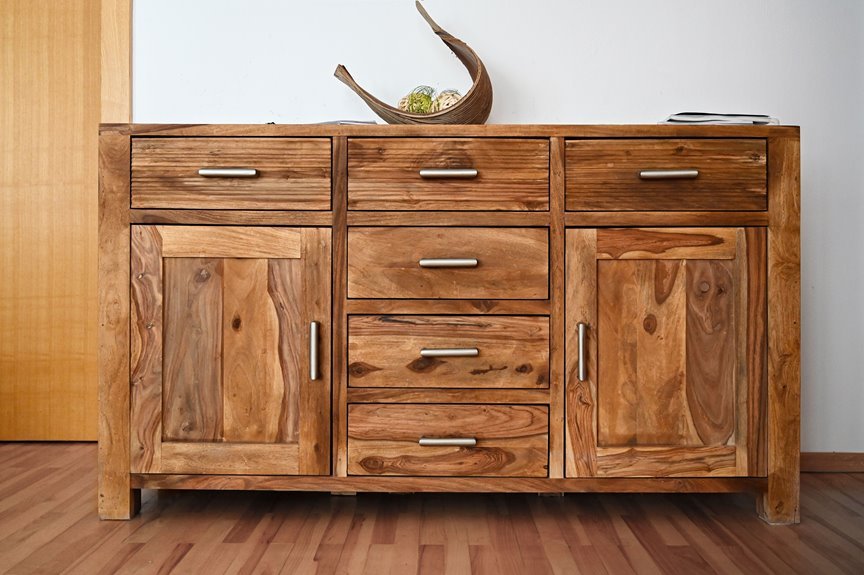
A tall dresser goes by several names depending on its design. A highboy features two stacked sections, while a tallboy combines dresser storage with top cabinet space. You might also hear it called a vertical chest of drawers, essentially a single column with five or six drawers. What makes them all tall is their height, typically 48 to 60 inches, paired with a narrow footprint around 30 to 36 inches wide. This vertical design maximizes storage without consuming much floor space, making them suitable for small rooms. The specific name matters less than understanding which style fits your needs.
What Makes a Tall Dresser Different From a Standard Dresser?
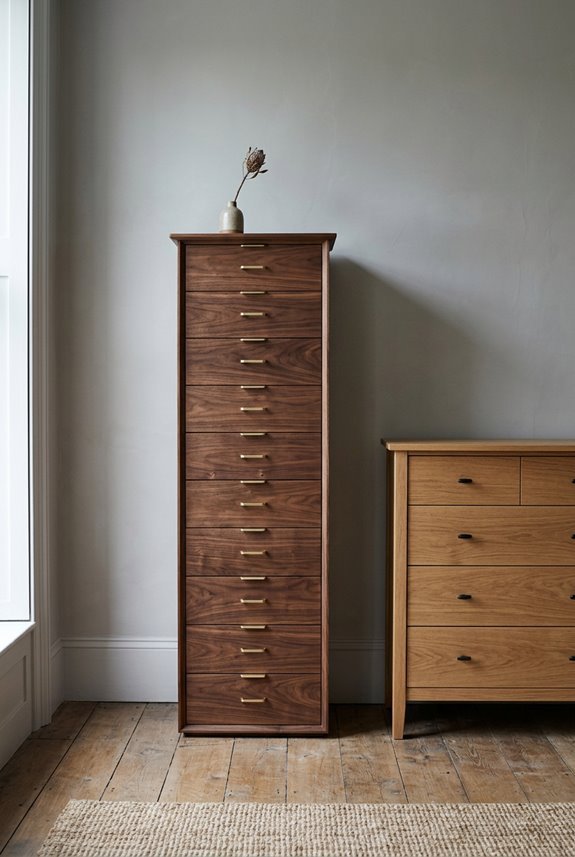
How do tall dressers actually differ from the standard models you’ve probably seen in most bedrooms? The main distinction is that a tall dresser prioritizes height over width. While standard dressers sprawl horizontally across your wall, a vertical dresser stands taller and narrower, reaching 48 to 60 inches high. This design choice matters because it changes how furniture fits in your room. You’re getting impressive storage capacity without that wide footprint consuming your floor space. A chest of drawers that climbs upward rather than spreading outward saves you precious room. The narrower profile makes these pieces perfect for tight spaces, creating balanced focal points without dominating wall length. This represents smart furniture planning for anyone seeking both function and space efficiency.

Fabric Storage Drawer Tower:The vertical design fits easily in many locations throughout the home; This fabric dresser is ideal for wherever you want to keep clutter under control, such as bedrooms, nurseries, playrooms, entryways; and matches perfectly with other MAX Houser storage organizers for endless organizational possibilities.

【Tall Dresser with Lightweight Design】- The dresser's lightweight design makes it easy to move and place in any corner. Whether in the bedroom, living room, or any other space, it blends in perfectly, bringing convenience to your life.
The Main Types of Tall Dressers Explained
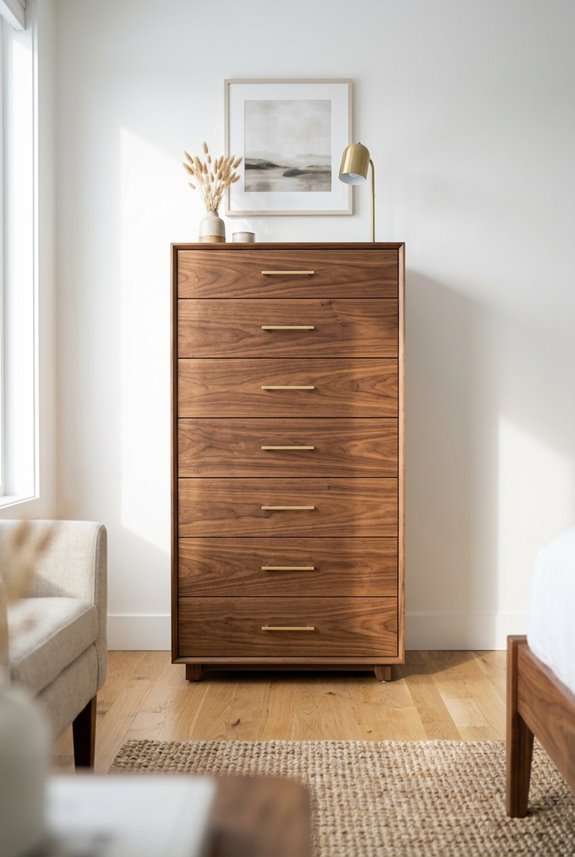
Now that you understand how tall dressers save floor space, let’s look at the specific styles you’ll find in furniture stores.
The main types include: A highboy features a chest-on-chest design with two sections stacked together, giving you numerous drawers in a narrow footprint. A tallboy combines dresser storage with an armoire-like cabinet or hanging space on top, offering flexibility. Then there’s the straightforward vertical dresser or tall chest of drawers, usually five or six drawers stacked in a single column.
Understanding highboy vs tallboy differences helps you choose what works best. The two-section stacked designs maximize your storage height, while single-piece options work great in tight spaces. Each style serves the same purpose; giving you substantial storage without consuming floor space.

Versatile Storage Solution: This multifunctional organizer fits seamlessly in your closet or entryway. It efficiently stores workout gear, blankets, delicate lingerie, and everyday essentials, maximizing space while keeping items neatly accessible

Multipurpose Usage: This premium clothes organizer mixes classic and modern designs, allowing it to blend seamlessly with any decor style in your home, and perfectly fit as a Guest dresser, book dresser, bedroom dresser, closet dresser and nursery dresser

Versatile Design: This stylish clothes organizer combines classic and contemporary elements, effortlessly complementing any home decor. Ideal as a guest dresser, book dresser, bedroom dresser, closet organizer, or storage solution
Chest of Drawers vs. Highboy vs. Tallboy: What’s the Difference?
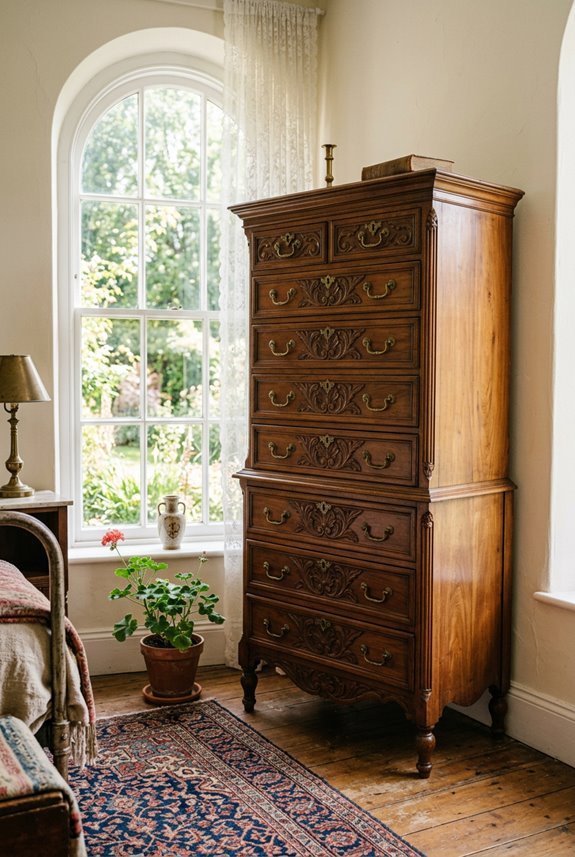
Ever walked into a furniture store and heard salespeople use these terms differently? I’ve noticed the confusion myself. A chest of drawers is any vertical dresser with stacked drawers, making it taller and narrower overall. A highboy typically features a two-section design stacked together, while some designers reserve tallboy for a single-section unit. Both emphasize impressive height as their defining feature. The key difference comes down to structure: chest of drawers is the broad category, whereas highboy and tallboy highlight that dramatic vertical configuration. Understanding these distinctions allows you to shop confidently and describe exactly what you’re looking for.

CHIC DESIGN: This dresser features a distinctive drawer design with concave and convex patterns and unique handles on the top drawer, creating a visually striking and stylish look. The elevated base allows most robotic vacuums to pass underneath, making daily cleaning easier

Fusion That Delights: From the BELLAH Collection, this chest of drawers fuses steel, engineered wood, and non-woven fabric for a perfect blend of strength, softness, and storage. Pair it with bedside table for a cohesive space that feels just right

【3 WAYS TO USE】We have pre-drilled holes on both the front and back of the corresponding positions of the metal frame. You can install the charging station on the front, back or not according to your needs. 3 ways to use, unique DIY design, give you more choices and better use experience.
Vertical Chest of Drawers: The Most Common Tall Option
The vertical chest of drawers is a practical tall storage solution commonly found in bedrooms and small apartments. This narrow, column-like furniture piece stacks five or six drawers vertically, taking up minimal floor space. It works well in tight quarters near a doorway or tucked into an alcove. The design trades width for height, providing substantial storage capacity while preserving the room needed for movement.

Timeless Elegance Meets Modern Chic: The distinctive wave-like fluted panel enhances the texture and spatial presence of this exceptional piece. The solid white faux marble top, adorned with light gray toned stone veins, while the smooth curved edge exudes an aura of elegance and provides a safe environment for little ones. The wide metal handle and splayed legs add to its contemporary vibe, creating a personalized and distinctive aesthetic.

Narrow 4-Drawer Storage: Overall size is 7.9"W x 18.9"D x 29.5"H; each bin measures 5.7"W x 17.9"D x 6.5"H. Four drawers add storage in tight spaces

MULTIPURPOSE: This Sorbus Narrow 4 Drawer Bedroom Dresser can be used as an end table, side table, or bedside table to store clothes, blankets, crafts, linens, baby clothes, lingerie, purses, scarves, socks, accessories, gadgets, toiletries, makeup, hair/beauty, cosmetics, office supplies, toys, games, Books, paperwork, knitting supplies, and more
Chest Of Drawers Definition
The vertical chest of drawers is a tall dresser found in most homes. This tall chest features five or six stacked drawers arranged in a single column, providing ample storage without consuming much floor space. Its narrow, upright profile maximizes storage capacity while maintaining a compact footprint, making it suitable for bedrooms or tight corners where wider furniture cannot fit.
The chest of drawers functions as efficient, space-saving storage. You’ll often hear people call it a tall dresser or tall chest interchangeably, but the function remains the same. Its design works well in small spaces and delivers reliable storage solutions for any home.
Space-Saving Vertical Design
Want to maximize storage without eating up your bedroom floor? A vertical dresser works well for tight spaces. This piece features stacked drawers in a narrow profile, making it perfect for apartments or small rooms. A tallboy or highboy typically stands 48 to 60 inches tall, giving you serious storage capacity while staying slim. The vertical chest of drawers design keeps everything accessible. You reach from top to bottom without bending awkwardly. Most models include five or six drawers stacked in a single column. This space-saving arrangement lets you tuck the dresser into corners or against walls where wider furniture wouldn’t fit. It’s an efficient solution that maintains both storage capacity and style.
Lingerie Chest: Narrow Profile for Compact Spaces
Narrow and tall, that’s what makes a lingerie chest such a smart storage solution for tight spaces. This tall dresser works well for vertical storage without consuming much floor space. You can squeeze a lingerie chest beside your bed, into a closet corner, or along any wall where a traditional dresser won’t fit.
This bedroom furniture features compact spaces filled with multiple small drawers. These drawers often come with dividers or soft velvet linings that protect delicate items like underwear and hosiery. The narrow profile uses your wall space efficiently while keeping everything organized. Whether you’re furnishing a small bedroom or adding supplementary storage to a closet, a lingerie chest delivers practical organization without consuming precious square footage.

【Modern Bedroom Island】Say goodbye to cluttered closet spaces. LIVAUVEAD armoires island combines white panels with transparent glass, creates a stylish and functional space. The glass panels and easy-to-reach display shelves, perfect for displaying and organizing your accessories or cosmetics, making it easy to match your everyday outfit.

【Modern Bedroom Island】Say goodbye to cluttered closet spaces. LIVAUVEAD armoires island combines white panels with transparent glass, creates a stylish and functional space. The glass panels and easy-to-reach display shelves, perfect for displaying and organizing your accessories or cosmetics, making it easy to match your everyday outfit.
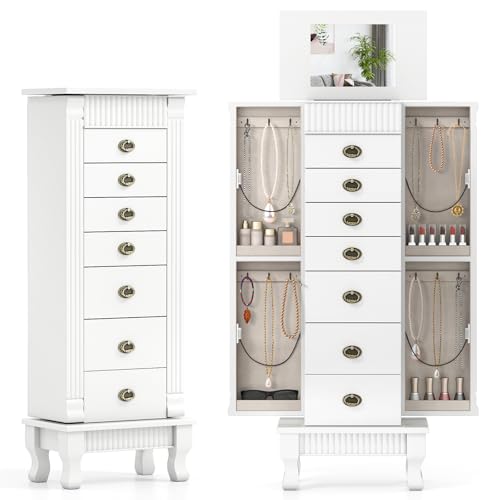
💍𝐒𝐩𝐚𝐜𝐢𝐨𝐮𝐬 𝟕 𝐃𝐫𝐚𝐰𝐞𝐫 𝐉𝐞𝐰𝐞𝐥𝐫𝐲 𝐒𝐭𝐨𝐫𝐚𝐠𝐞: This jewelry armoire features 7 drawers to organize rings, earrings, bracelets, skincare, cosmetics, and beauty accessories. The top 4 drawers include divided compartments for smaller jewelry items, while the lower 3 deep drawers provide spacious storage for larger daily essentials and makeup products.
Gentleman’s Tall Dresser: Vertical Storage for Smaller Wardrobes
How’d you like to store more clothes without taking up your whole bedroom?
A gentleman’s chest offers exactly that solution. This tall dresser combines vertical storage with a narrow profile, making it perfect for smaller wardrobes. You’ll find it features:
- Multiple drawers for folded items like shirts and socks
- A cabinet or door section providing enclosed storage
- Garments hanging space, sometimes with a small rod
This space-saving furniture maximizes every inch. The design works beautifully in bedrooms, guest rooms, or compact suites where floor area matters. Traditional hardware and wood construction give it that classic aesthetic you’d expect from quality gentleman’s furniture.
This tall dresser solves the storage puzzle without dominating your room. You get functionality and style in one smart package.

【𝑬𝒙𝒄𝒆𝒍𝒍𝒆𝒏𝒕 𝑺𝒕𝒐𝒓𝒂𝒈𝒆 𝑪𝒂𝒑𝒂𝒄𝒊𝒕𝒚】This Narrow dresser with 5 drawers provides plenty of storage space, which can classify your messy items as your need; The wooden table top with good load-bearing performance provides a hard surface to place lamps, books, decor, and more.

SPACE-SAVING Maximize your storage space with our narrow drawer cabinet featuring a compact design that fits seamlessly into tight spaces, perfect for small rooms, closets, or corners,slim drawers dresser for laundry room or bed beside nightstand
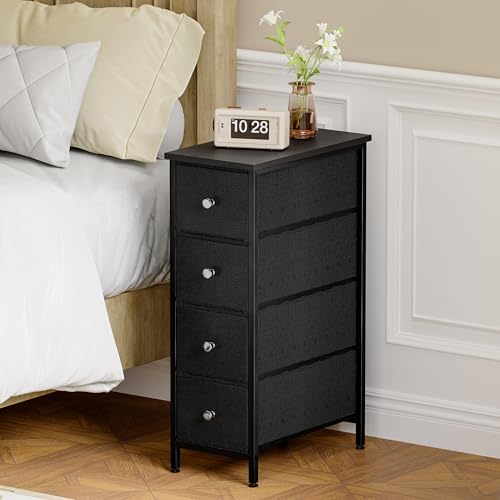
【Narrow Dresser with Elegant Design】- The slim dresser stands out with its elegant design and excellent adaptability. Its sleek lines and stylish appearance not only add a touch of brightness to your home but also blend easily into various decorative styles. Whether in the bathroom, bedroom, or other tight spaces, it can perfectly fit in and become a part of your home's aesthetics.
How Tall Dressers Maximize Small Bedroom Space
When you’re working with a small bedroom, tall dressers offer significant advantages because they stack your storage vertically instead of spreading it across the floor. This approach uses the wall space that would otherwise remain unused. Their narrow footprint, typically around 30 to 36 inches wide, lets you position them beside a wardrobe or mirror without making your room feel cramped. Those 48 to 60 inches of height provide substantial drawer space for clothes and linens. By thinking upward rather than outward, you free up the open floor area needed to move around comfortably.

Perfectly Sized 7-Drawer Dresser: Designed for modern living spaces, this dresser measures 39.6"D x 11.8"W x 30.4"H—compact enough for small bedrooms while still offering ample storage for everyday essentials. The durable wooden top supports up to 66 lbs and also serves as a TV stand or display surface for décor items

Versatile Storage Solution: This multifunctional organizer fits seamlessly in your closet or entryway. It efficiently stores workout gear, blankets, delicate lingerie, and everyday essentials, maximizing space while keeping items neatly accessible

Perfectly Sized 9-Drawer Dresser: Designed for modern living spaces, this dresser measures 11.83"D x 39.6"W x 39.8"H—compact enough for small bedrooms while still offering ample storage for everyday essentials. The durable wooden top supports up to 66 lbs and doubles as a TV stand or display surface for décor items
Vertical Space Utilization
Why do so many people choose tall dressers for cramped bedrooms? These furniture pieces solve a real problem: limited floor space. A tall dresser, whether it’s a highboy or tallboy, draws your eye upward rather than outward, making your room feel larger than it actually is.
What makes this vertical space solution work:
- Multiple drawers stack high without spreading wide, preserving precious floor area
- Your bedroom layout gains flexibility since tall dressers fit beside beds and wardrobes easily
- Deep storage compartments hold folded clothes, linens, and seasonal items efficiently
This storage solution transforms how you organize your space. By choosing height over width, you reclaim floor area while doubling your drawer capacity. Vertical design in smaller bedrooms maximizes both storage and usable living space.
Narrow Footprint Benefits
The real advantage of a tall dresser isn’t just that it saves space; it’s how it saves space. A narrow footprint changes everything in a bedroom. These pieces, whether you call them a highboy or tallboy, occupy minimal floor area while delivering substantial vertical storage. With careful measurement, the base might be only 30 to 36 inches wide, yet the height stretches 48 to 60 inches upward. This stacked-two-section design provides significant storage without consuming limited square footage. Because a tall dresser claims so little horizontal real estate, it actually creates breathing room. You can position your bed differently, add a mirror, or place a chair nearby. Vertical storage with a space-saving design allows for flexible room arrangements.
What Height Should Your Tall Dresser Be?
How do you know if a dresser’s height will actually work in your space? Measuring matters significantly. Most tall dressers, including highboys and tallboys, range from 48 to 60 inches tall. That’s roughly four to five feet. Consider these factors when choosing the right height:
Measuring matters significantly when selecting a tall dresser—most highboys and tallboys range from 48 to 60 inches tall.
- Your ceiling clearance; leave at least 12 inches of space above
- Your eye level when standing; the top shouldn’t obstruct your view
- Your reach comfort; you’ll access upper drawers regularly
A vertical storage piece like a narrow dresser should fit your room’s proportions. Measure your wall space first, then select a tallboy that feels balanced. Getting these dimensions right directly impacts how your space functions and feels.

CHIC DESIGN: This dresser features a distinctive drawer design with concave and convex patterns and unique handles on the top drawer, creating a visually striking and stylish look. The elevated base allows most robotic vacuums to pass underneath, making daily cleaning easier
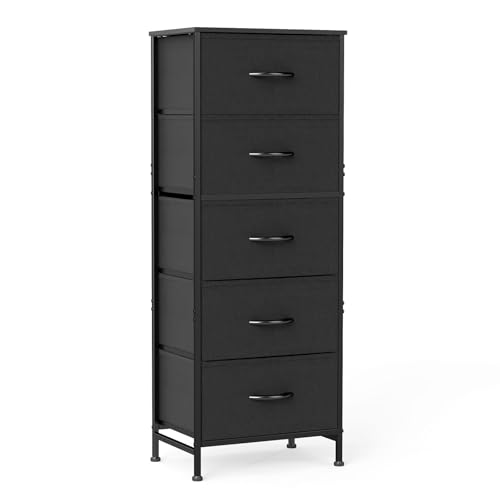
Ample Storage Space: This 5-drawer dresser provides generous storage for clothing, accessories, and household items while keeping your space organized. The sturdy wood top offers reliable support for lamps, books, décor, and other daily essentials

Made of 95% Polyester + 5% Elastane—lightweight, breathable, and stretchy. The fabric stays cool in summer to avoid stuffiness, while the 5% elastane offers gentle flexibility for baby’s active movements. It’s skin-friendly and soft against delicate infant skin, ideal for all-day wear
Modern vs. Traditional Styles: Which Tall Dresser Fits Your Bedroom?
Once you’ve nailed down the right height for your space, consider style. A tall dresser that fits your room perfectly won’t feel right if it clashes with everything else in your bedroom.
Modern tall dressers work best if you prefer clean lines and lighter finishes like white or gray. They suit contemporary spaces and feature soft-close drawers that feel premium. Traditional highboys bring warmth with rich wood tones, such as oak, walnut, and cherry, plus ornate hardware. If you’re working with smaller spaces, consider a lingerie chest, which is a narrow tall dresser option.
Evaluate your existing bedroom design and identify what storage needs matter most. Your dresser choice should enhance your space, not compete with it.

【Diverse Storage Cabinet】The farmhouse white wood tall drawer dresser boasts the good combination of drawers and adjustable shelves. You can personalize your storage space for items of different height & volume and categorize essentials with more freedom! By the convenient door, you can open the storage space with just a pull, instead of one by one.

6 DRAWERS CHEST: Features 6 removable drawers; Use in or out of the closet and keep clutter under control by storing all of your clothing and accessories in one convenient place; Store and organize workout gear, leggings, yoga pants, sweaters, linens and more; The vertical design fits easily in many locations throughout the home; Use as a nightstand to put your alarm clock, journal, glasses; Mix & match with other Crestlive storage organizers for endless organizational possibilities.

MULTIPURPOSE: This Sorbus Narrow 4 Drawer Bedroom Dresser can be used as an end table, side table, or bedside table to store clothes, blankets, crafts, linens, baby clothes, lingerie, purses, scarves, socks, accessories, gadgets, toiletries, makeup, hair/beauty, cosmetics, office supplies, toys, games, Books, paperwork, knitting supplies, and more
Wood Types and Finishes That Complement Any Decor
What makes a tall dresser feel right in your room? The wood type and finish you choose transforms everything. When you’re shopping for wood dressers, consider these options:
- Solid wood versus veneer—solid wood lasts longer, while veneer offers affordability
- Stain choices that match your walls and existing furniture pieces
- Finishes like distressed or two-tone designs for visual interest
Solid wood is the better choice for pieces you’ll keep for years. A warm stain complements most bedrooms, whether traditional or modern. Two-tone finishes work beautifully on highboys, blending colors across the upper and lower sections. Distressed finishes hide wear naturally, making them practical for busy households. Your tall dresser becomes part of your personal space when its finish reflects your style. The right wood choice means you’ll reach for those drawers with satisfaction every morning.

【Modern Bedroom Island】Say goodbye to cluttered closet spaces. LIVAUVEAD armoires island combines white panels with transparent glass, creates a stylish and functional space. The glass panels and easy-to-reach display shelves, perfect for displaying and organizing your accessories or cosmetics, making it easy to match your everyday outfit.
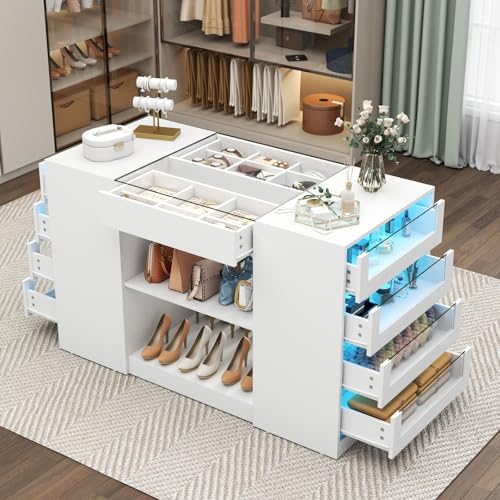
[Modern Functional Closet Island] The bedroom closet island from Gyfimoie is a striking blend of modern elegance and functional design, featuring a four-sided layout in sleek white with a contrasting tempered glass countertop. It offers 4 spacious drawers on front and back side. Below the glass top, you'll find two large storage drawers and 2-layer open expansive area for showcasing your favorite pieces. Changing LED light enhancing the display of your collections further.

[Spacious 7-Drawer Storage]: This jewelry armoire with 7 drawers provides generous space to keep your collection organized. Designed with 2 shallow drawers, 2 compartmentalized drawers, and 3 deep drawers, it easily holds jewelry, makeup, skincare bottles, perfumes, and daily accessories — all in one elegant storage solution.
How to Choose the Right Tall Dresser for Your Space
Before you pick out a tall dresser, take a hard look at what you actually need to store, whether that’s clothes, linens, or a mix of both. This determines how many drawers and what sizes work best for you. Next, grab a measuring tape and check your room’s dimensions, paying special attention to ceiling height, wall width, and doorway openings. A dresser that’s 58 inches tall won’t fit if your room only has 7-foot ceilings or narrow hallways. Getting these two pieces right, your storage goals and your space constraints, sets you up to find a dresser that fits perfectly rather than wasting time on pieces that won’t work.
Assessing Your Storage Needs
How much stuff do you actually need to store? Before you pick a tall dresser, think about what’s really going into those drawers. You’re not alone in wanting furniture that actually fits your life.
Consider these three things:
- Count your clothing items by category—shirts, pants, undergarments—to gauge drawer quantity
- Measure your room’s dimensions to see if a highboy or tallboy works better
- Think about seasonal changes and whether you need extra vertical space year-round
A lingerie chest works great if you’ve got delicate items needing organization. A standard tall dresser with 48 to 60 inches of height saves floor space beautifully. Highboy and tallboy designs pack serious storage into narrow footprints. Assessing what you own prevents buying furniture that sits half-empty or overflows. Your storage needs should match your actual lifestyle, not some imagined version.
Measuring Room Space Properly
Getting your measurements right is the difference between a dresser that fits perfectly and one that becomes an expensive obstacle in your bedroom. You’ll need three critical room measurements: height, width, and depth. Measure your ceiling height first, since tall dressers typically run 48 to 60 inches. Next, check your wall length to confirm adequate space without crowding doors or windows. You’ll want at least 2–3 feet of clearance for access.
Map your entry path by measuring doorways and hallways to ensure the dresser actually fits through them. Consider your drawer configuration as well. Assess your vertical storage needs against the available ceiling height. This prevents purchasing a dresser that overwhelms your space or leaves insufficient room to function comfortably.
How to Style and Place Your Tall Dresser for Maximum Impact
Where you put your tall dresser significantly affects how it functions in your room. Strategic placement transforms a piece from blending into the background to becoming a focal point.
To maximize impact:
- Position your tall dresser beside a wardrobe or mirror to use wall space efficiently
- Pair it with wall-mounted artwork or a mirror above to create visual balance
- Leave at least 2 feet of clearance in front for drawer operation
Finish selection matters equally. Choose finishes in black, white, or natural wood veneers that coordinate with your room’s existing palette. When placement and finish align with your design scheme, the tallboy functions as an effective anchor piece that draws attention and organizes your space.
Keeping Your Tall Dresser Looking New
Your tall dresser deserves regular care to maintain its appearance and function for years to come. Dusting with a soft cloth weekly keeps finishes looking fresh and prevents buildup. Avoid harsh cleaners that can damage the wood’s surface or strip protective coatings.
When organizing drawer contents, distribute items evenly across all drawers. Uneven weight causes warping and stresses the frame. Group similar items together so you’re not overloading one drawer.
For tall dresser care, check your specific finish. Black, white, oak, or walnut each needs slightly different attention. A quick wipe-down with a barely damp cloth works best. Following these maintenance steps extends your dresser’s lifespan and keeps it functional.