
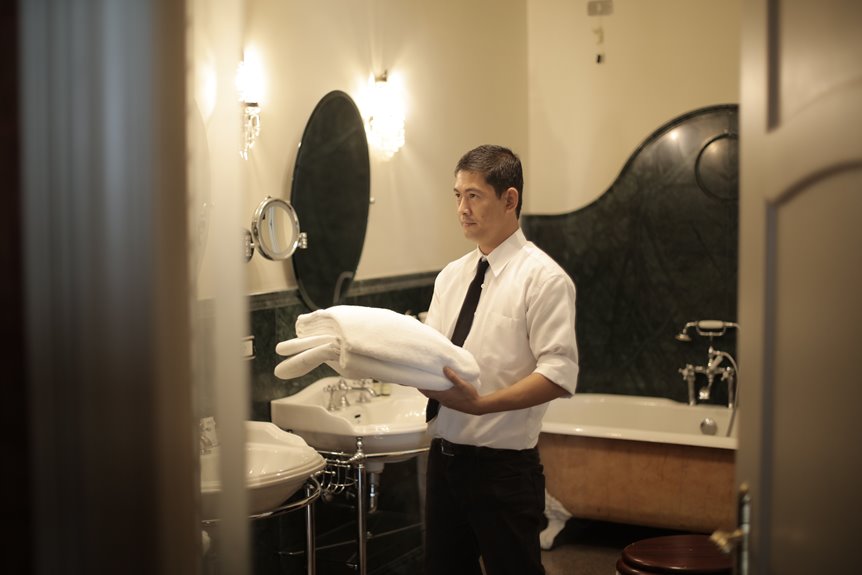
Most bathtub refinishing lasts 10–15 years with proper maintenance, though some homes see results stretch beyond that. Your lifespan depends on three things: how often you use it, your climate, and how you care for it. Daily habits matter. Skip the steel wool, dry surfaces after bathing, and use gentle cleaners. Professional jobs typically outlast DIY attempts, and material choice between epoxy and polyurethane makes a real difference. Understanding these factors will help you maximize your investment.
Average Lifespan: What to Expect
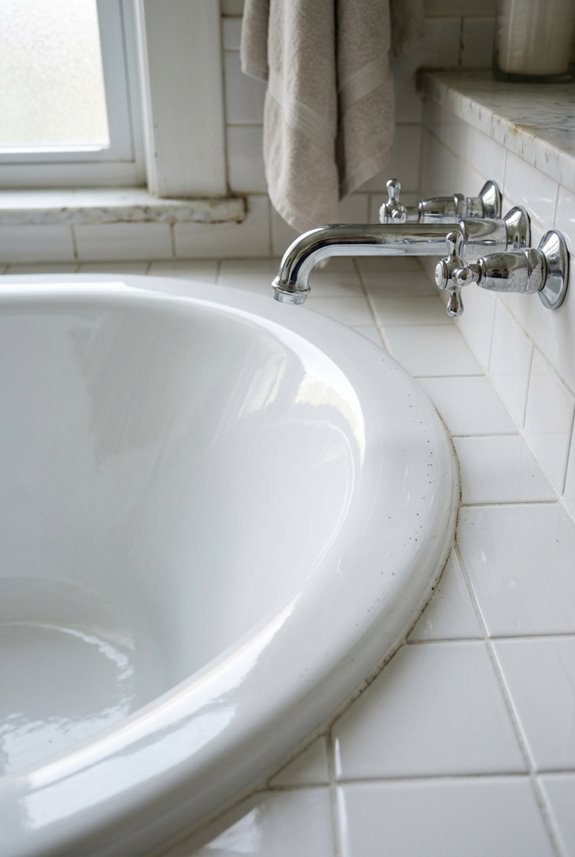
How long can you really expect your refinished bathtub to look great and work properly? Most well-executed refinishing jobs last about 10–15 years when you maintain them properly. Your refinishing lifespan depends heavily on how often you use your tub and how well you care for it.
Daily usage and cleaning habits dramatically affect durability. Some homeowners enjoy excellent results even beyond 15 years, especially if they use their tubs sparingly. However, you’ll likely notice the gloss and shine gradually fade over time. This represents normal wear, not failure.
Refinishing extends your tub’s life rather than creating something permanent. The exact timeline depends on your fixture material and maintenance commitment. Following care guidelines helps you maximize every year of performance.
Usage Frequency, Climate, and Care: The Three Durability Drivers
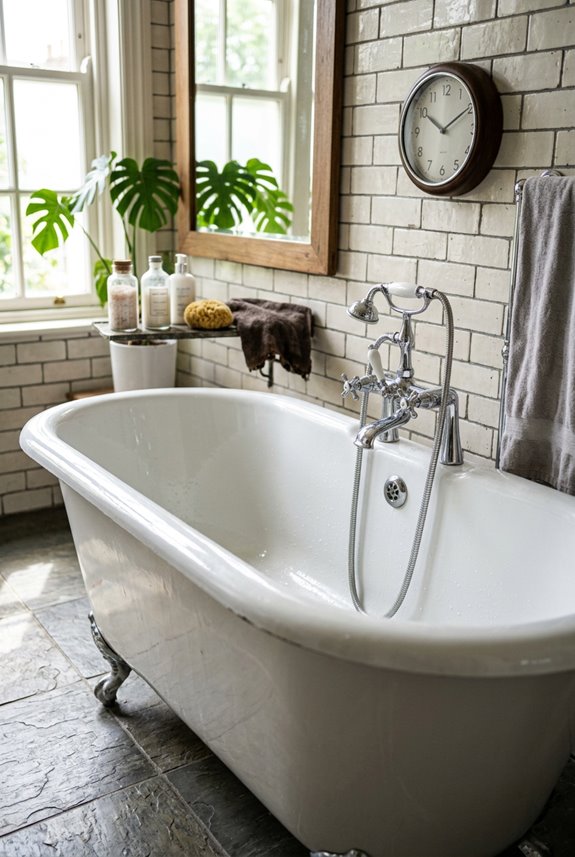
Why do some refinished bathtubs stay beautiful for 20 years while others start fading after just five? The answer lies in three critical factors: how often you use your tub, your climate, and how well you maintain it.
| Factor | Low Impact | High Impact |
|---|---|---|
| Daily Usage | 15–20 years | 5–10 years |
| Cleaning Method | Non-abrasive | Steel wool damage |
| Ventilation | Excellent drying | Moisture buildup |
| Climate | Dry, stable | Humid, fluctuating |
| Repairs | Prompt attention | Delayed fixes |
The refinishing process creates a durable layer, but your actions determine its fate. Daily heavy use accelerates wear significantly. Harsh cleaners and abrasive tools destroy that protective coating faster than expected. Proper ventilation and gentle cleaning extend longevity considerably. Small chips repaired quickly prevent major deterioration. Your maintenance habits directly control the lifespan of your refinished bathtub.
Professional vs. DIY: Which Application Lasts Longer?
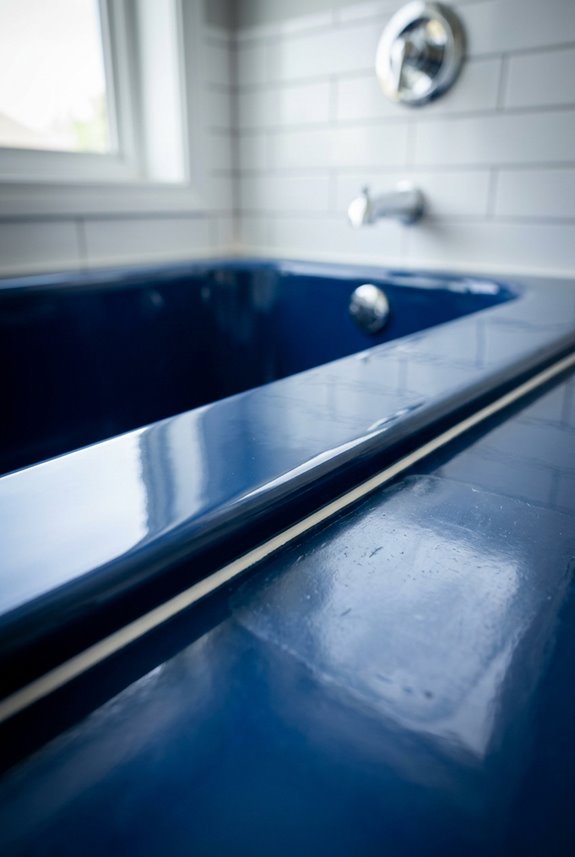
When you choose professional refinishing, you’re getting industrial-grade coatings and expert prep work that typically last 10–15 years, while DIY kits often fail much sooner because they skip essential steps like proper surface preparation and masking. Professionals follow strict multi-coat applications and offer 5–10 year warranties, demonstrating the durability that results from proper execution, whereas DIY projects are prone to chipping or peeling within just a few years if anything’s missed during application. Understanding this difference helps you decide whether the upfront cost of professional work reduces your total expenses and eliminates rework over time.
Professional Materials And Durability
Ever notice how some bathtub refinishes gleam for over a decade while others start chipping within two years? That’s because professional materials make all the difference. Industrial-grade epoxy and polyurethane coatings are built to last, unlike basic DIY kits.
Here’s what sets professionals apart:
- Superior material quality – Industrial coatings are engineered for durability and longer lifespans than consumer-grade alternatives
- Proper surface preparation – Professionals spend time masking, ensuring ventilation, and prepping surfaces correctly before applying finish
- Multi-layer application – They apply multiple coats with controlled curing, creating stronger protection
Many professionals back their work with 5–10 year warranties because they’re using the right products and techniques. A finish applied this way actually lasts.
DIY Limitations And Longevity
How much longer does a professional refinish actually last compared to doing it yourself. You’re looking at a significant difference in refinishing longevity. Professional jobs typically last 10–15 years because they use industrial-grade materials and proper surface prep. DIY kits, while budget-friendly upfront, often fall short. Expect 5–8 years at best due to skipped prep work and lower-quality coatings. The gap widens when conditions aren’t ideal. Professionals offer 5–10 year warranties; DIY kits rarely do. Real-world results vary, but poorly prepared surfaces in DIY applications fail faster. If you’re considering DIY, understand you’re trading upfront savings for shorter lifespan and potential touch-ups. Professional application delivers predictable durability with documented warranty protection and superior longevity outcomes.
Why Refinishing Process Quality Determines Durability
The real secret to a bathtub refinishing job that actually lasts 10–15 years is not just picking a good coating. Success depends on how that coating gets applied. The difference between a finish that chips after three years and one that holds strong for over a decade comes down to two essential factors: the quality of materials the professional selects and their skill in executing every step, from prepping the surface to applying multiple coats with proper ventilation. When you skip corners on technique or use cheaper epoxy, you’re guaranteeing early failure. This is why warranties typically range from 5–10 years; they directly reflect how much confidence the refinisher has in their process.
Material Quality and Selection
Why does one bathtub refinish look pristine after five years while another shows wear within eighteen months? The answer lies in your refinishing materials. Choosing high-quality epoxy or polyurethane coatings makes all the difference in how long your tub stays beautiful.
What matters when selecting materials:
- Premium epoxy and polyurethane formulas resist chipping and fading far better than budget alternatives
- Multiple well-adhered coats create protective layers that subpar materials can’t match
- Professional-grade products come with warranties, typically 5–10 years, backing their durability
Cutting corners on materials guarantees premature wear. When you invest in quality refinishing materials, you pay more upfront but ensure your bathtub maintains that fresh, showroom appearance for years. Your choice directly determines whether you’ll enjoy lasting results or face disappointing deterioration.
Professional Technique and Execution
Ever notice how some refinished bathtubs gleam for years while others start peeling within months?
The difference comes down to how professionals execute the job. Refinishing durability depends heavily on technique. A skilled pro completes thorough surface prep, including sanding, cleaning, and removing old coatings, before applying anything new. They mask areas carefully, ensure proper ventilation, and apply a primer followed by multiple top coats of industrial-grade epoxy or polyurethane.
Each layer needs complete curing time between applications. Rushing this step weakens adhesion and invites early failure. Experienced refinishers know exactly how to handle materials and equipment, reducing damage risks significantly.
When you see that 5-10 year warranty, it reflects a professional’s confidence in their execution and your commitment to maintenance. Quality technique transforms your investment into results that last a decade or longer.
Epoxy vs. Polyurethane: Choosing Materials That Last
What makes one bathtub refinish last 15–20 years while another chips and peels within a few years? The answer lies in material choice. Understanding why epoxy and polyurethane coatings outperform cheaper alternatives is essential.
- Epoxy coatings create a harder, more scratch-resistant surface that handles daily wear exceptionally well
- Polyurethane finishes offer superior flexibility, resisting cracks when your tub shifts slightly over time
- Budget materials simply can’t match their durability, leading to premature failure
Both epoxy and polyurethane withstand normal use effectively. They’re designed for bathrooms where moisture and temperature fluctuate constantly. When you invest in quality materials, you’re protecting your investment for decades. Proper care extends their life even further, making these premium choices the most cost-effective solution over time.
Refinish Warranties: What Coverage Actually Protects
most refinishing companies back their work with warranties lasting 5 to 10 years, though these warranties vary significantly in their actual coverage.
Your warranty typically covers only the refinished surface itself, not what’s underneath. That means if your coating chips or peels, the company will repair or recoat that specific area during the coverage period.
The protection depends heavily on your adherence to care instructions. Using harsh cleaners, abrasive scrubbers, or ignoring small chips voids your protection. Each refinisher sets different rules, so review the written contract carefully and ask questions before committing.
Since warranty terms vary by state and company, compare what you’re actually getting protected against before signing on.
Daily Care for Your Refinished Tub: Simple Habits, Longer Life
Your refinished bathtub can easily last 10 to 15 years if you maintain consistent daily habits.
Refinishing longevity depends entirely on your daily care routines. Here’s what actually works:
- Dry surfaces immediately after bathing to prevent water damage and coating degradation that shortens your tub’s life
- Use only non-abrasive cleaners and avoid bleach, steel wool, and harsh chemicals that strip the protective finish
- Inspect regularly for chips or cracks so you can repair damage promptly before it spreads
UV exposure also matters. Consider window treatments to block sunlight and preserve your tub’s color and gloss.
These simple routines protect your investment by treating your refinished tub with care. Regular maintenance directly extends its lifespan.
Harsh Chemicals and Abrasive Tools: What Actually Damages Your Finish
Since refinished bathtubs have protective coatings that are tougher than they look but still vulnerable to the wrong treatment, what you clean with matters as much as how often you clean. Steel wool and abrasive tools scratch the finish, creating tiny cracks where moisture sneaks in and causes deterioration. Bleach and harsh chemicals gradually strip away the protective layer, dulling that glossy shine you paid for. These products also weaken the coating’s grip on the tub itself. Near edges and corners, aggressive scrubbing removes protective layers fastest, leaving those areas prone to cracking and water damage. Stick with manufacturer-approved, non-abrasive cleaners instead. You’ll preserve your finish longer and avoid costly early refinishing.
When Should You Refinish Again?
Now that you know your refinish can last 5–10 years with a warranty, you’re probably wondering when it’s time for round two. Recognize the telltale signs, like chipping at the drain or a dull, worn appearance, that signal your tub needs rejuvenating. Understanding these warning signs and the timeline for re-refinishing will keep your tub looking great and functioning well for decades to come.
Signs of Finish Deterioration
Even with proper care, bathtub refinishing won’t last forever. Recognizing when your tub needs attention again is key to catching problems before they worsen. Understanding refinishing longevity means knowing what to watch for.
- Visible chipping or scratching at high-use areas like the drain, edges, and under-mounted fixtures signals surface wear that’s progressing.
- Gloss loss or dulling indicates your coating is aging and may soon need refinishing, typically around the 10-year mark for many users.
- Water seeping or peeling around seams and caulk reveals underlying substrate exposure, which demands immediate attention before damage spreads.
Abrasive cleaners and harsh chemicals accelerate wear considerably, sometimes shortening refinishing lifespan by years. Staying alert to these signs allows you to catch deterioration early and maintain your tub’s appearance.
Optimal Refinishing Timeline
When should you refinish your bathtub again? Timing your next refinishing based on visible wear is more practical than following a strict schedule. Most refinished tubs last 10–15 years with proper care, though some hold up beautifully for 20 years in low-use bathrooms.
| Sign of Wear | Refinishing Duration |
|---|---|
| Minor dulling | 10–12 years |
| Small chips appearing | 12–14 years |
| Gloss loss noticeable | 14–15 years |
| Multiple scratches visible | Consider refinishing soon |
Watch for chips, scratches, or that dull appearance. These are your indicators to schedule refinishing. A second refinish costs considerably less than replacing your tub entirely. By catching deterioration early, you’ll keep your bathroom looking fresh while managing costs effectively.
Refinishing vs. Full Replacement: Breaking Down the Costs
Should you refinish your bathtub or replace it entirely? Refinishing costs significantly less upfront and offers solid long-term value.
- Upfront expenses: Refinishing runs much cheaper than full replacement, saving you thousands while extending your tub’s life 15–20 years.
- Warranty protection: Professional refinishing typically includes 5–10 year warranties, protecting your investment if issues arise from proper care.
- Maintenance reality: Finishes can chip or scratch with heavy use, potentially requiring touch-ups later. This represents a minor cost compared to replacing your entire tub.
Refinishing makes sense when your tub’s bones are solid. You’re investing in durability without the renovation headache, keeping your bathroom functional and attractive for years ahead.
Evaluating Contractors: Material Quality, Experience, and Warranty Terms
How do you know which contractor will actually deliver a bathtub finish that lasts? Start by examining their refinishing materials. Ask whether they use epoxy or polyurethane finishes and whether those products are standard or industrial-grade. Industrial-grade refinishing materials hold up better over time.
Next, dig into their experience. Review past projects, ask how many years they’ve been refinishing bathtubs, and understand their specific techniques. Request examples of previous work so you can see the surface smoothness and gloss retention firsthand.
Finally, verify their warranty terms. Most contractors offer 5 to 10 years of coverage, but you’ll want to know exactly what voids that protection. A contractor confident in their work typically backs it with solid warranty terms and clear conditions.
Real Stories: How Long Refinishes Actually Last
What does a bathtub refinish actually look like five, ten, or fifteen years down the road? Real experiences vary widely. Here’s what homeowners like you are experiencing:
- Variable lifespans: Some refinishes hold strong for 5–8 years, while low-use homes see surfaces thriving beyond 15 years.
- Wear patterns emerge: One owner spotted a drain-site chip after a decade, though the rest remained intact, showing how usage concentrates damage.
- Maintenance matters: Two-person households often achieve longer refinishing longevity through consistent care and limited abrasion.
Your refinish isn’t permanent, but it’s not a short-term fix either. With thoughtful maintenance and realistic expectations, you’re investing in years of functionality rather than decades of guarantee.
Maximize Your Refinish Lifespan
Now that you understand what real homeowners experience over time, let’s focus on what you can actually do to keep your refinish looking fresh. Your refinishing lifespan depends largely on how you treat your tub daily. Use only non-abrasive cleaners and soft towels. Avoid harsh chemicals that eat away at your finish. After each use, wipe down your tub to prevent water spots and buildup. This simple habit extends your refinish’s life significantly. Skip the rough scrub brushes and steel wool entirely. When you’re mindful about these practices, you’re essentially protecting your investment. Most refinished tubs reward this care by lasting well beyond 10 years.