
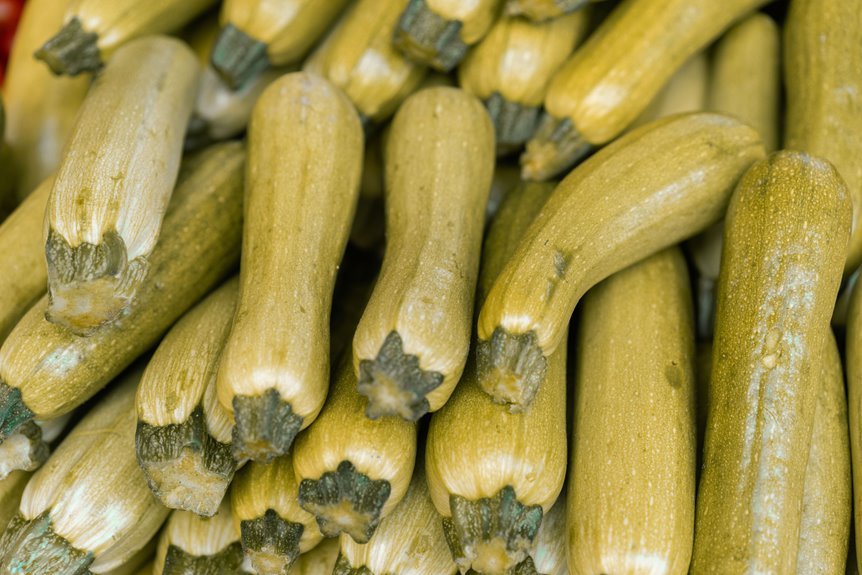
Zucchini don’t technically need a trellis, but one offers significant advantages. Growing them vertically lets you fit three plants where one sprawling plant spreads out, cuts disease risk considerably, and makes harvesting easier since fruit hangs below leaves where you can spot it. You’ll also improve airflow around the foliage, which reduces powdery mildew and rot. The setup takes some effort upfront, but the yield boost makes it worthwhile.
Do Zucchini Actually Need a Trellis?
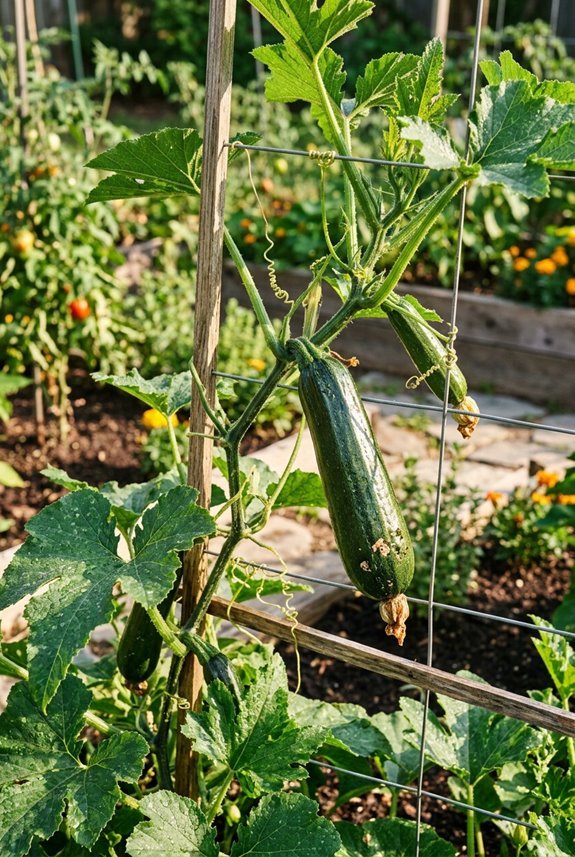
Why would you want to grow zucchini vertically when they naturally sprawl across the ground? Vertical growth transforms how we garden. A trellis isn’t absolutely necessary, but it makes a real difference.
When you stake zucchini early, you prevent stems from flopping onto soil where they rot and attract pests. Vertical growth improves air circulation around leaves, which lowers humidity and reduces powdery mildew, a common problem for gardeners.
Vining varieties especially benefit from staking since their longer stems need support. Bush varieties are more forgiving, but even they thrive with trellis support.
Better airflow keeps plants healthier. You can access fruit easily, prune without bending constantly, and spend less time fighting disease. Trellising zucchini delivers measurable benefits in plant health and garden efficiency.

Assembles in Minutes, No Tools or Frustration - Say goodbye to complicated setups. Our A-frame trellis includes easy-connect joints and step-by-step instructions for fast, hassle-free assembly for plant trellis

Vegetable Trellis that Assembles in Minutes, No Tools or Frustration – Say goodbye to complicated setups. Our U-shape trellis includes easy-connect joints and step-by-step instructions for fast, hassle-free assembly

Our Polyethylene netting is an affordable alternative to traditional wire mesh. UV stabilized Polyethylene is lightweight, practical, and encourages growth. Miuezuth engineered it to be strong enough to support melons, yet safe enough for the most delicate leaves and stems. This netting improves air circulation, exposure to the sun, and use of space. This trellis netting ensures that your plants stay healthy, which increases their yield.
Why Go Vertical Instead of Sprawling?
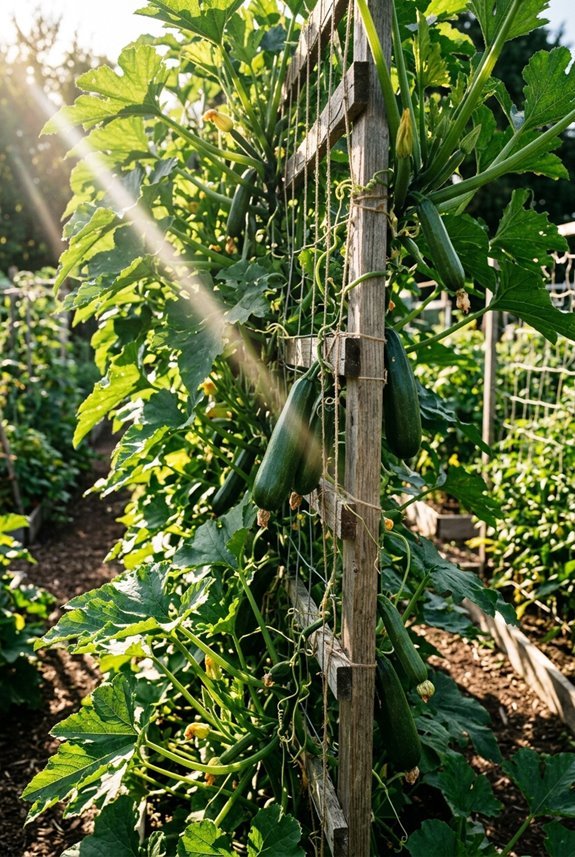
Growing zucchini on a trellis transforms your garden compared to ground sprawl. Vertical growth provides better plant control and healthier harvests.
When I train my zucchini up a trellis, I gain real advantages:
- Space efficiency: I fit three plants on a three-foot-wide trellis instead of spreading them across my entire bed
- Improved airflow: Lifting plants off soil reduces powdery mildew and other moisture-related diseases that plague sprawling vines
- Easier harvesting: I access fruit without bending or searching through tangled leaves
The main stem support keeps everything organized. I tie the stem weekly as it grows, and I remove lower leaves to enhance airflow further. This approach lets me companion plant strategically and produce more zucchini in less space.
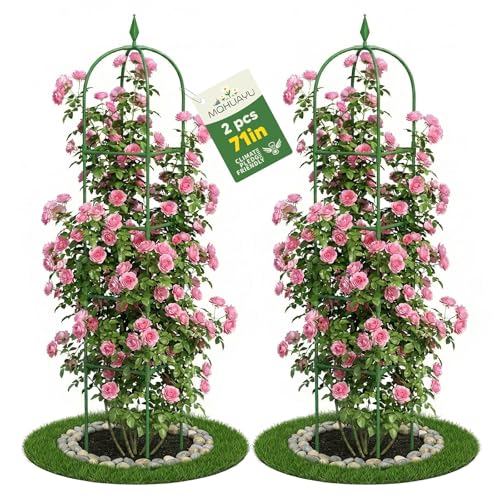
【6 Ft Adjustable Height】This 4-tier garden trellis for climbing plants provides ample space to plant thrive. With removable 4-way connectors, you can easily adjust the height as your plants grow—reaching up to 6 feet tall. It offers the flexibility needed for healthy vertical development
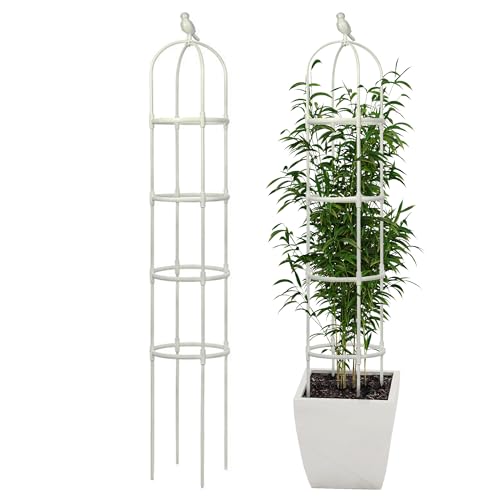
🌹[Ideal Garden Trellis ] -Trellis is Constructed of the iron tube which is surface is covered with plastic to offer protection against rusting and weathering. The height of trellis is more than 6 feet is perfect for climbing plant in outdoor or indoor.

Weather-Resistant Garden Trellis: This 6ft garden obelisk trellis is made with PE-coated steel and plastic connector rings to help resist outdoor rust and weather exposure. Insert the trellis at least 10in into soil for better stability in gardens, yards, raised beds, or large pots.
Where to Place Your Trellis and What Materials You’ll Need
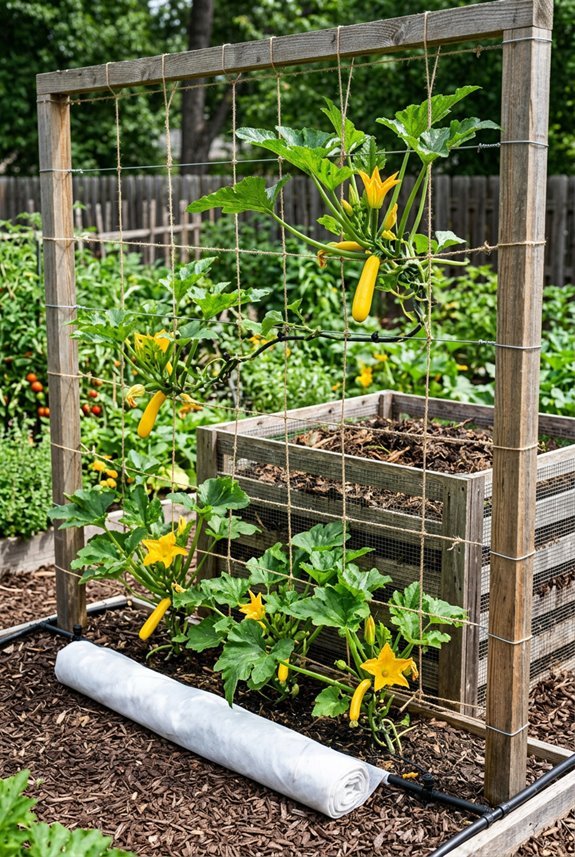
Trellis placement significantly affects growing success. Position your trellis on the south side of your bed to catch maximum sunlight, with the main stem centered on the front where it receives the most light and air circulation. For materials, sturdy wooden or metal trellises at least 6 feet tall work best for vining varieties, though tomato cages and rigid fencing are also effective options. Use soft ties or cloth strips to secure plants and avoid puncturing hollow stems.

[Heavy Duty Metal A-Frame Trellis (50” Tall)]: Made from thick iron tubing, this sturdy A-frame garden trellis provides reliable support for climbing plants. Strong enough to hold heavy vines like cucumbers, squash, pumpkins, beans, peas, and melons without bending or tipping.
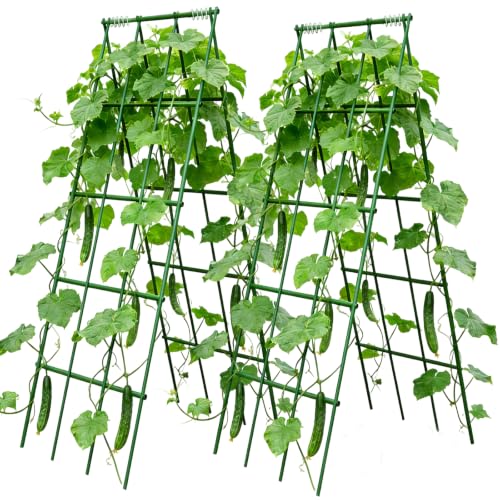
【No Assembly Required】Cucumber Trellis Out of the Box - From Packaging to Garden, Only 3 Minutes. While Other Bracket Kits Force You to Wrestle with More Than Ten Parts and a Wrench, Our No-Assembly-Required Bracket Panel Has Already Been Moved to the Garden for You, Providing a Simple and Quick DIY Erection Experience

Durable Material: Plastic outside and metal inside pole, The garden trellis are made of durable plastic-coated steel core for reliable strength, long-lasting performance. Not easy to rust or break.
Trellis Positioning And Orientation
Where you position your trellis makes a real difference in how well your zucchini grows. Placement directly affects sun exposure and plant health.
Consider these positioning guidelines:
- Place the trellis on the north side of raised beds to maximize southern sun exposure without shading neighboring plants
- Ensure proper trellis height around 6 feet to accommodate climbing stems and fruit without bending or breaking
- Anchor your vertical support securely using sturdy materials like Vegega Zn-Al-Mg steel, which resists rust and supports up to 130 lbs
Position your trellis before planting zucchini to prevent root damage later. The stake must be firmly anchored into soil, or your entire structure risks toppling when vines fruit heavily. Proper orientation from the start ensures stability throughout the growing season.
Material Selection And Durability
Now that you’ve positioned your trellis for optimal sun exposure, the materials you choose will determine how long it actually lasts and how well it performs season after season. Zn-Al-Mg steel offers exceptional trellis durability and rust-resistant properties that keep your structure standing strong for years.
| Material | Height | Load Capacity |
|---|---|---|
| Wooden Trellis | 6 ft | 75 lbs |
| Metal Trellis | 6.5 ft | 100 lbs |
| Zn-Al-Mg Steel | 8 ft | 130 lbs |
| Planter Box | 17″ | 1,200 lbs |
| Garden Grade | 6 ft | 85 lbs |
Quality materials maximize airflow and ground-contact avoidance, keeping your zucchini healthy. Rust-resistant options weather seasons without deteriorating, extending the lifespan of your trellis by 10 to 15 years compared to untreated materials.
Stake, Prune, and Space: Your Three-Step System
I’ve found that keeping your zucchini upright from the start with sturdy stakes prevents the sprawling mess that takes over garden beds. Tie the main stem loosely as it grows. Pruning works by removing those oldest leaves at the base each week, which redirects your plant’s energy straight into producing fruit instead of leafy growth. You can space multiple plants closer together on a single 3-foot trellis. Vertical training gives you easier access and better airflow than traditional sprawling plants.

✅ TRELLIS NETTING FOR CLIMBING PLANTS OUTDOOR - The 9.85x6.6Ft garden netting for trellis for climbing plants outdoor is designed to support the growth of fruits, and vegetables. This trellis netting can improve air circulation, sunlight exposure, and space utilization. Keep your plants healthy for better yields.

Trellis Netting Polyester Nylon: Our trellis netting is made of durable polyester nylon materials,strong and durable, not easy to break, reusable,can support extremely heavy crop loads, protect plants from damage, able to grow vertically
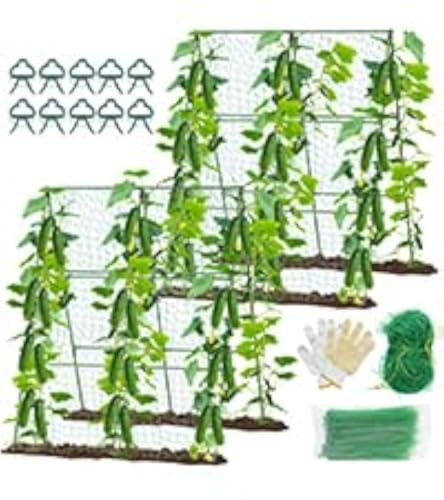
【DURABLE MATERIAL】:The plant trellis outdoor are made of durable metal and PE coated for reliable strength, long-lasting performance. Not easy to rust or break, washable, reusable, and can be used for years without fading.
Early Staking Prevents Sprawl
The secret to keeping your zucchini plants upright and productive lies in starting early, right when those seedlings are just a few inches tall.
Early staking prevents the sprawl that makes harvesting difficult and invites disease. Here’s what to do:
- Install support immediately when plants reach 6 inches tall to train the main stem vertically from the start
- Use sturdy stakes or a trellis that will handle the plant’s weight as it grows several feet high
- Tie stems gently every few inches as new growth emerges, keeping everything secure without crushing tissue
This approach gives your zucchini the support it needs while you maintain airflow and pruning access below the fruiting zone. You avoid fighting against sprawling vines later by guiding growth upward from day one. Early vertical training eliminates the chaos of tangled growth and makes harvesting, pruning, and disease management significantly easier.
Pruning Redirects Growth Energy
Once your zucchini’s main stem is staked and climbing upward, pruning becomes your next priority. I remove the oldest lower leaves first, working weekly from the base upward to reveal that sturdy main stem. This pruning redirects energy away from excess foliage and channels it toward flowers and fruit instead.
Stripping lower leaves improves airflow around your plant, which cuts disease risk significantly. I remove leaves below the newest fruiting zone so air circulates freely and I can actually see developing fruits. This isn’t aggressive cutting; it’s strategic thinning. You’re basically training your zucchini like a tomato plant, guiding growth toward the trellis while keeping the plant healthy and productive.
Closer Spacing Maximizes Yields
Pruning redirects your plant’s energy toward fruit, and spacing completes the system by letting you grow more zucchini in less ground space. Closer spacing on a trellis transforms garden productivity.
What works:
- Ground gardens: Space plants 18–24 inches apart along your trellis for strong root systems
- Raised beds: Plant them 12–15 inches apart to maximize vertical growth in compact areas
- Air circulation: Tighter spacing still allows airflow when you’ve pruned lower leaves properly
Packing plants closer together on a 3-foot-wide trellis means each one occupies about a third of the structure. This arrangement produces more yields from the same footprint. The vertical growth frees up ground space while the pruning and spacing work together, creating an efficient system that delivers abundant zucchini.
Mistakes That Kill Yields (and How to Avoid Them)
Why do some gardeners see their zucchini yields plummet even when they’ve installed a sturdy trellis? Tying stems too tightly restricts growth and snaps hollow stems. Use loose loops instead. Delaying staking until vines sprawl invites disease and rot from soil contact. Over-pruning more than one-third of your plant at once crushes fruit production. Poor plant spacing and crowded growth block airflow, promoting powdery mildew and other fungal issues. Improving structure and pruning technique prevents more problems than sprays ever could. Getting your staking, airflow, and disease prevention right from the start allows your trellis system to deliver measurable yield increases.

MADE FROM 65% RECYCLED PLASTIC - Reusable so you can reduce waste; supports the move toward a sustainable future whether using as indoor plant support, or replacing garden wire in the yard
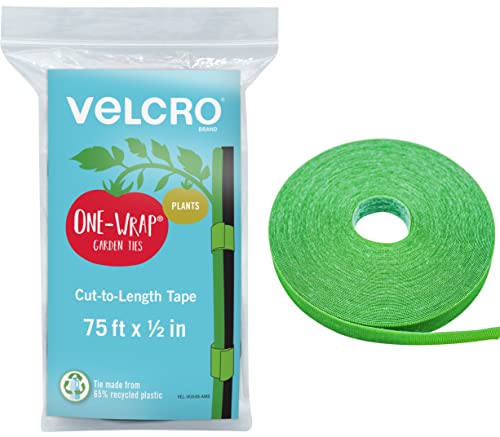
SECURE AND DURABLE: Strong Velcro Brand One-Wrap Garden Ties With Non-Slip Grip Keeps Flowers And Plants Staked, Supported, And Securely Bundled Together

HIGH QUALITY MATERIAL -The outer shell of our soft plant tie is made of high quality rubber TPR material which is not only perfect to protect the plant wire itself, but also will protect your plants and your fence. Soft, flexible and durable, also our YDSL plant ties are cuttable and reusable, will save your effort.
When and How to Harvest Trellis Zucchini
How do you know when your trellised zucchini is ready to pick? Look for fruit that’s reached about 6 inches long for optimal flavor and tenderness.
- Pick continuously to encourage more fruit production throughout the season
- Inspect fruits regularly by maintaining good airflow through pruning lower leaves
- Harvest when small rather than waiting for oversized vegetables
Consistent picking keeps zucchini plants producing heavily. The vertical trellis system makes spotting ripe fruit easier since they hang below upper leaves. By removing lower leaves during pruning, you create better airflow and can see exactly what’s ready. Continuous picking signals your plant to keep making more fruit.

【Perfect Fit for Raised Beds & U-Shape Design Advantage 】This U-Shape Garden Trellis is specially designed for raised beds, perfectly matching the size of most outdoor raised beds to maximize vertical space utilization. The unique U-shape structure is more stable than traditional trellises, providing strong support for climbing plants like cucumbers, beans, tomatoes and vines.
Our Polyethylene netting is an affordable alternative to traditional wire mesh. UV stabilized Polyethylene is lightweight, practical, and encourages growth. Miuezuth engineered it to be strong enough to support melons, yet safe enough for the most delicate leaves and stems. This netting improves air circulation, exposure to the sun, and use of space. This trellis netting ensures that your plants stay healthy, which increases their yield.

Cucumber Trellis Kit Includes: the complete garden cucumber trellis includes 8 curved tubes, 31×40cm straight stakes,4×32 cm straight stakes,10 equal cross connectors, 4 four-way connections, 6 equal tees, 2 straight connectors,1.4*2.8m garden netting,1 garden glove,100 garden ties, 20 plant support clips, 1 twist tie, 1 complete installation instruction. Garden trellis for cucumbers provides strong support for your spring plants to help you achieve better harvests