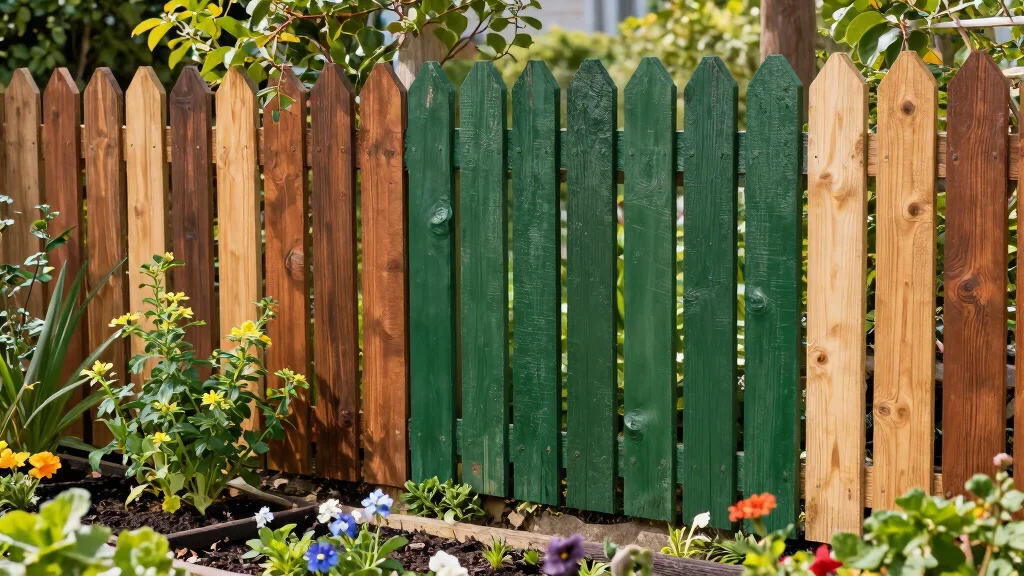
Sometimes, it feels like your outdoor space needs a refresh. If the weather has taken a toll on your fence, you might be craving a makeover that not only revitalizes its look but also protects it from further damage. A beautiful and well-maintained fence can make a big difference in the overall aesthetic of your garden or yard. With the right fence stain colors, you can hide years of wear and tear while adding a touch of personality to your outdoor area.
If you’re a gardening enthusiast looking to enhance your outdoor space or a homeowner who wants to maintain your property’s curb appeal, this post is for you. Whether you want to blend in with nature or stand out with bold colors, you’ll find plenty of inspiration here. I’ve gathered 15 stunning fence stain colors that are eco-friendly and perfect for sustainable gardening, ensuring you can achieve a look you love while keeping your environment in mind.
Get ready to dive into a collection of fence stain options that are not only attractive but also practical. Each choice will help protect your wood from weather damage while providing a fresh, updated appearance. From soft pastels to deep, rich tones, you’ll find the perfect shade to complement your garden and lifestyle.
Key Takeaways
– Discover 15 fence stain colors that effectively conceal weather damage and enhance your outdoor space.
– Learn about eco-friendly options that contribute to sustainable gardening while keeping your environment safe.
– Explore how the right weatherproof fence stain can protect your wood from the elements and extend its lifespan.
– Understand current fence color trends that can elevate your property’s curb appeal and reflect your personal style.
– Get practical tips for outdoor fence maintenance to ensure your investment looks fresh and vibrant for years to come.
1. Classic Cedar
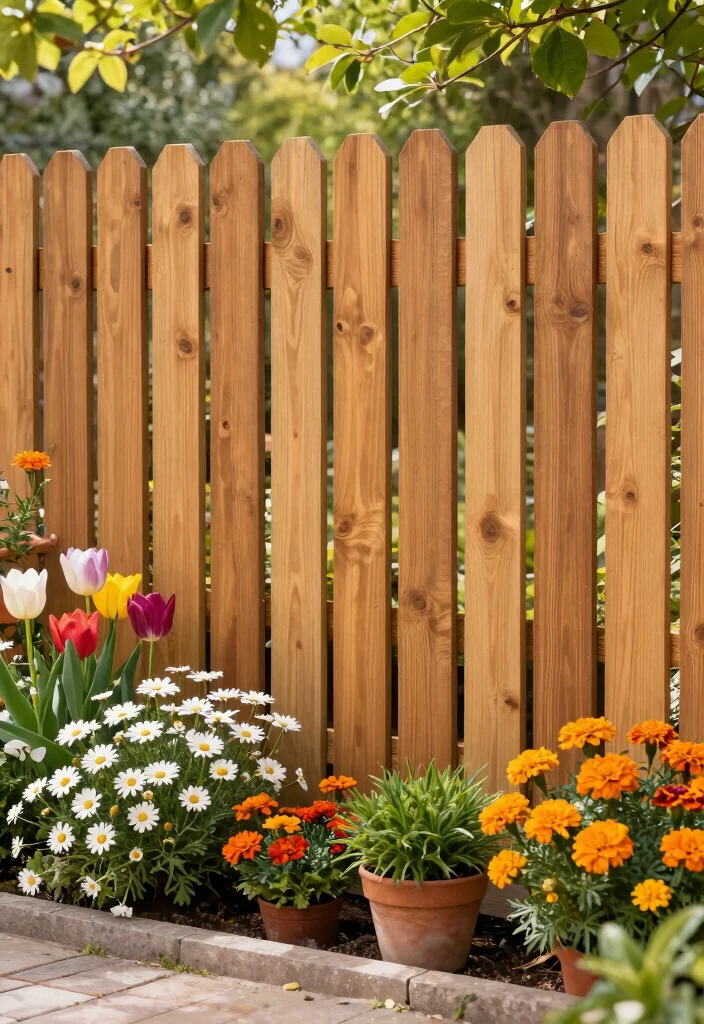
If you’re looking for a timeless touch for your garden, classic cedar is the perfect stain choice. This warm, reddish-brown color enhances the natural beauty of any outdoor setting. Not only does it effectively hide signs of weather damage, but it also beautifully contrasts with vibrant green plants and colorful flowers, creating a harmonious look.
To maintain that rich appearance, consider applying a weatherproof stain every couple of years. This helps keep the color fresh while protecting the wood from harsh elements. Cedar’s natural oils also repel insects, ensuring your garden remains a safe haven for plants and pollinators.
Key benefits of classic cedar:
– Resists rot and insects for longer-lasting wood
– Enhances natural aesthetics in any garden setting
– Pairs well with light-colored furniture for a balanced look
Embracing cedar will create an inviting atmosphere that feels both warm and welcoming in your outdoor space.
2. Deep Forest Green
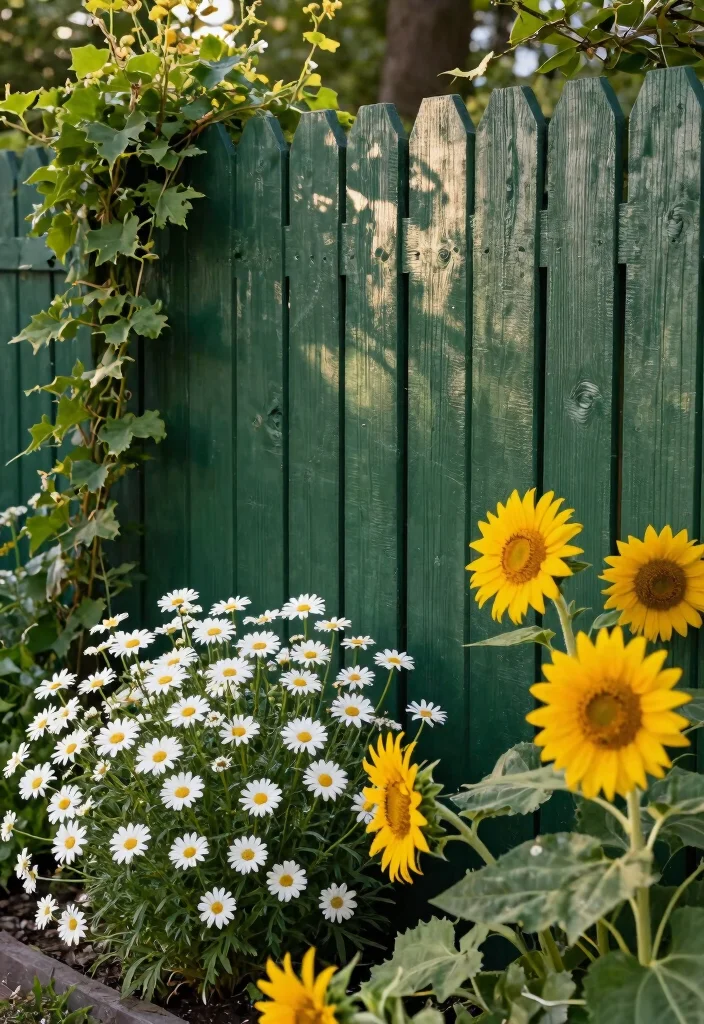
For those seeking a dramatic flair, deep forest green is a stunning option that transforms your fence into a lush backdrop for any garden. This rich shade beautifully camouflages age spots and weather damage, seamlessly blending with the vibrant greenery around it. The rustic feel of this color enhances the natural vibe of your outdoor space.
To maximize its benefits, you can choose weatherproof stains that protect against UV rays and moisture, extending your fence’s life. Pair this color with white or light-colored flowers to create a striking contrast, or add climbing plants like ivy for a charming touch.
Consider these highlights of deep forest green:
– Camouflages imperfections effectively against nature
– Creates a rustic feel perfect for any garden
– Absorbs heat to help prevent winter damage
Choosing this color will not only beautify your garden but also establish a serene and peaceful atmosphere.
3. Soft Charcoal
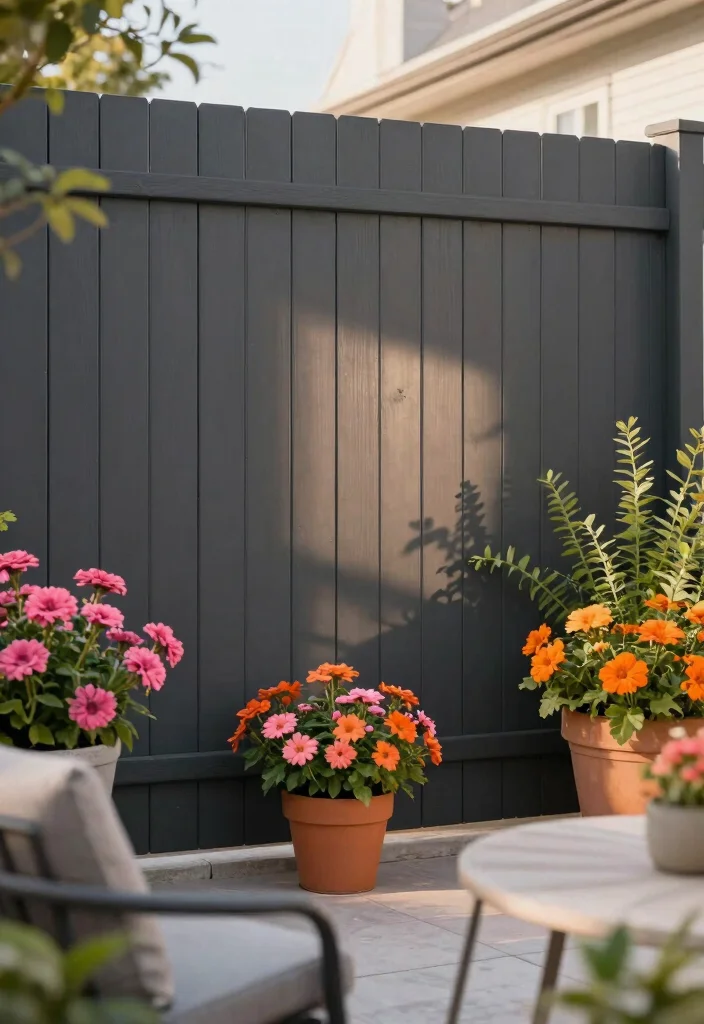
Soft charcoal is your go-to for a modern and elegant outdoor look. This chic color effortlessly conceals weathered areas while adding a contemporary vibe to your space. As one of the best fence stain colors, charcoal provides a stunning backdrop for your colorful plants and decor.
Plus, if you opt for stains made from recycled materials, you’ll be making an eco-friendly choice. Pair this color with decorative planters or outdoor art to elevate your garden’s visual appeal.
Key features of soft charcoal:
– Conceals imperfections while enhancing elegance
– Provides a dramatic backdrop for vibrant plants
– Absorbs heat in cooler climates, protecting your fence
By selecting soft charcoal, you’re not just choosing a color; you’re creating a sophisticated outdoor retreat.
4. Warm Walnut
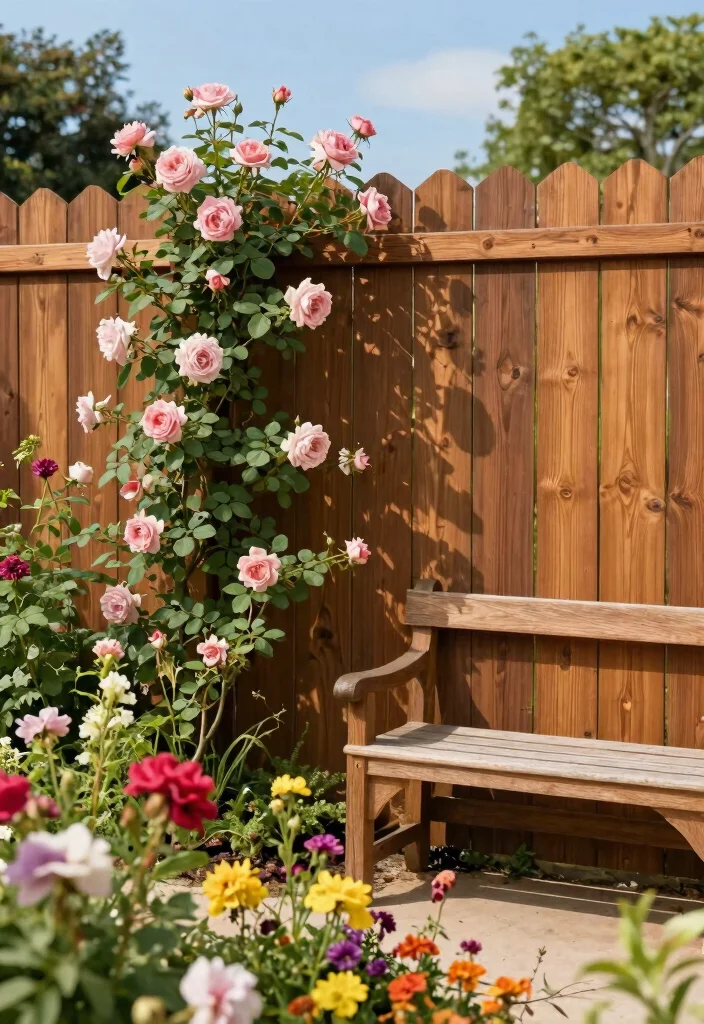
Warm walnut is a classic choice that adds richness and character to your garden. This beautiful brown hue effectively masks unsightly spots, making it perfect for older fences. It harmonizes beautifully with greenery and flowers, enhancing the natural aesthetics of your outdoor space.
Many walnut stains are eco-friendly, crafted from natural oils and pigments, ensuring a safe choice for your garden. To create a cohesive look, pair this color with earth-toned garden decor or rustic wooden furniture.
Highlights of warm walnut include:
– Masks wear and tear for older fences
– Enhances natural beauty of surrounding plants
– Repels moisture to prevent rot and decay
Selecting warm walnut will enrich your outdoor space with depth and personality.
5. Bright Sky Blue
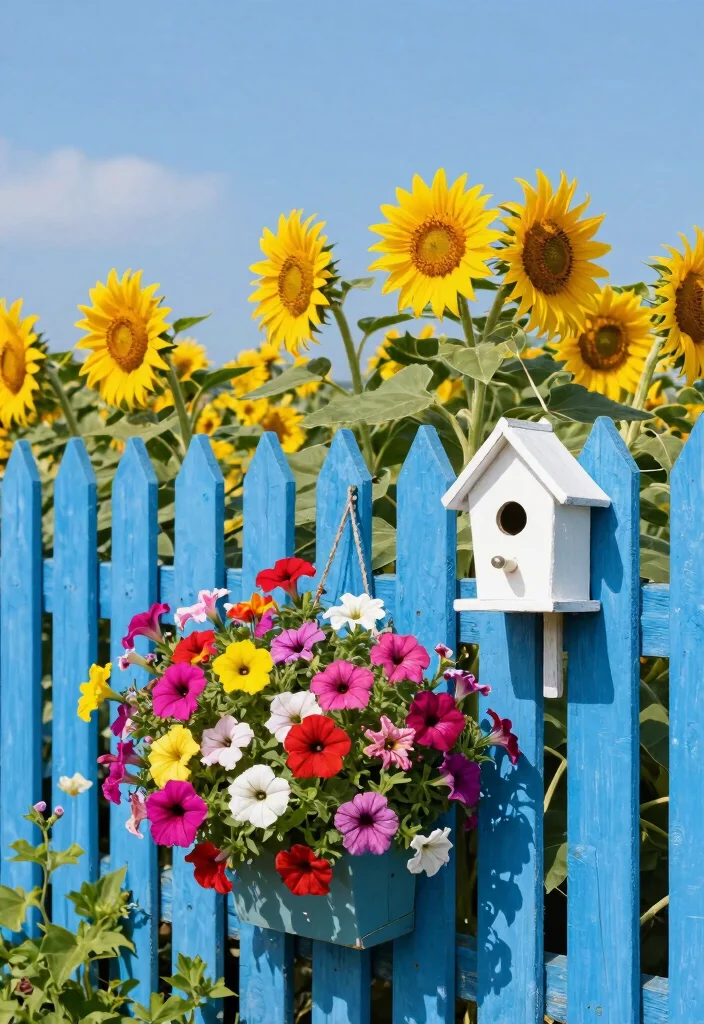
Bright sky blue is a vibrant choice that instantly brings joy to your garden! This lively color hides age and damage while inviting a cheerful atmosphere. The refreshing hue contrasts beautifully with lush greens and colorful blooms, making your outdoor space feel expansive.
For an eco-conscious option, consider organic stains. You can also accentuate the look with navy decor for a trendy touch. Lighter colors like sky blue help reflect sunlight, keeping your garden cooler during summer.
Features of bright sky blue:
– Injects joy and brightness into your garden
– Hides signs of wear with playful charm
– Reflects sunlight to maintain a cooler environment
Embracing bright sky blue will uplift your garden and inspire more time spent outdoors.
Fun fact: light sky blue fence stain colors can reflect up to 40% more sunlight than darker shades, cooling your garden all summer. Pair Bright Sky Blue with organic stains for an eco-friendly look that hides age and boosts curb appeal. Pro tip: add navy accents for a trendy touch.
6. Rustic Barn Red
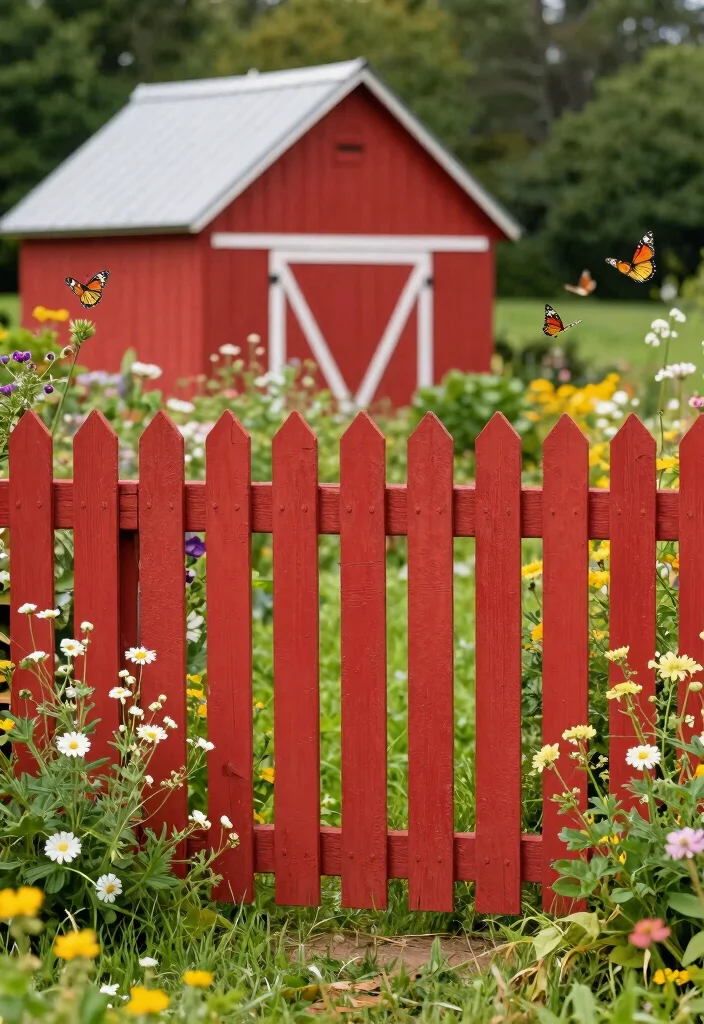
Rustic barn red brings a nostalgic warmth to your outdoor space. This classic shade effectively hides imperfections and weather damage, adding a unique character to your garden. It beautifully complements green plants, enhancing the overall lushness of your landscape.
As a durable weatherproof stain, barn red is perfect for outdoor maintenance. It looks stunning with white trim or wildflower backdrops, adding a touch of authenticity to modern gardens.
Key aspects of rustic barn red:
– Hides imperfections while adding character
– Durable in various weather conditions
– Pairs beautifully with white for a classic look
Choosing rustic barn red will enrich your garden’s charm and invite warmth.
7. Light Driftwood
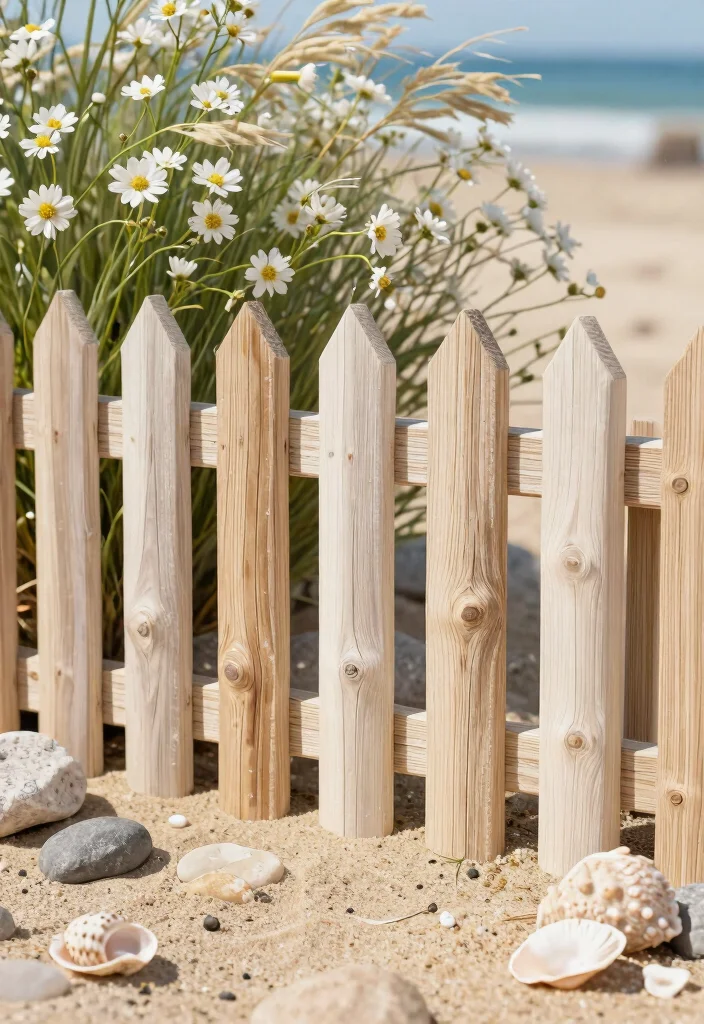
Light driftwood offers a serene, beachy vibe that fits perfectly in both coastal and woodland gardens. This pale grayish-brown shade effectively disguises weather damage while complementing sandy tones and light greens. Driftwood finishes highlight the natural beauty of wood and promote eco-friendliness.
With minimal maintenance, you can keep this color looking fresh with touch-ups every few years. It pairs beautifully with white or pastel flowers, creating a peaceful atmosphere.
Benefits of light driftwood:
– Disguises damage while enhancing natural beauty
– Requires minimal maintenance for lasting appeal
– Blends effortlessly into natural landscapes
Opting for light driftwood will create a calming retreat in your garden.
8. Vibrant Coral
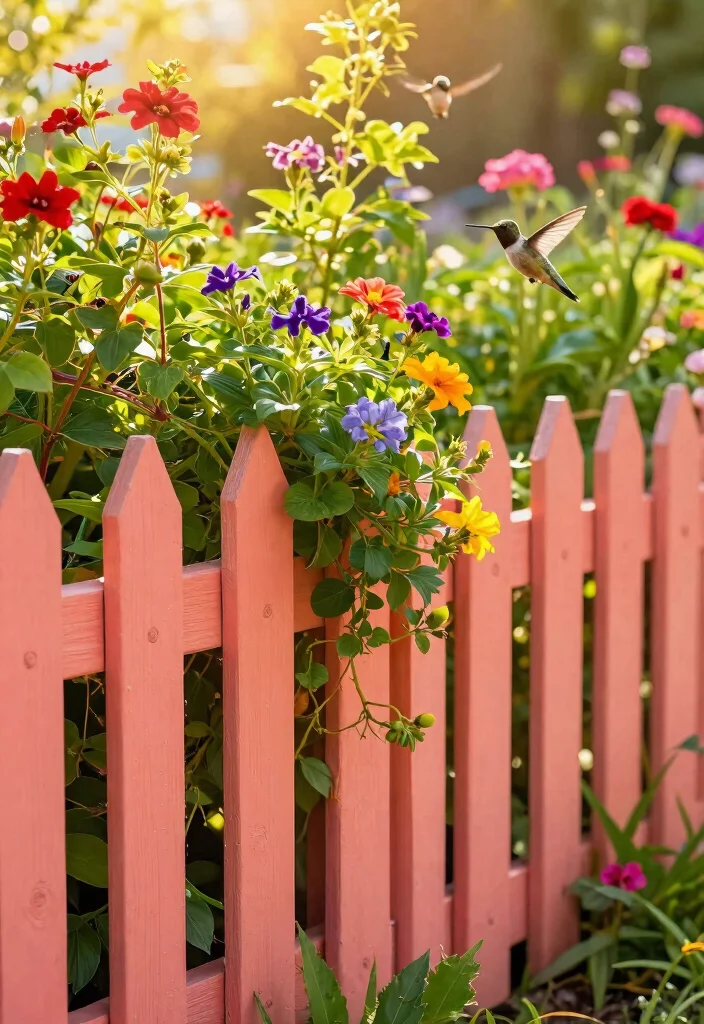
Vibrant coral is a playful stain that brings freshness to your garden. This lively hue revitalizes a tired fence and instantly uplifts the space, making it an excellent choice for those wanting to add personality. Coral not only hides imperfections but is eco-friendly when sourced from natural materials.
Pair this color with contrasting greenery or navy blue accents for a stylish look. The cheerful hue often attracts pollinators, enriching your garden’s biodiversity.
Highlights of vibrant coral:
– Adds a splash of joy to your outdoor space
– Hides imperfections while promoting eco-friendliness
– Attracts pollinators for a thriving garden ecosystem
Choosing vibrant coral will enhance the charm of your garden and create a lively atmosphere.
9. Charcoal Gray
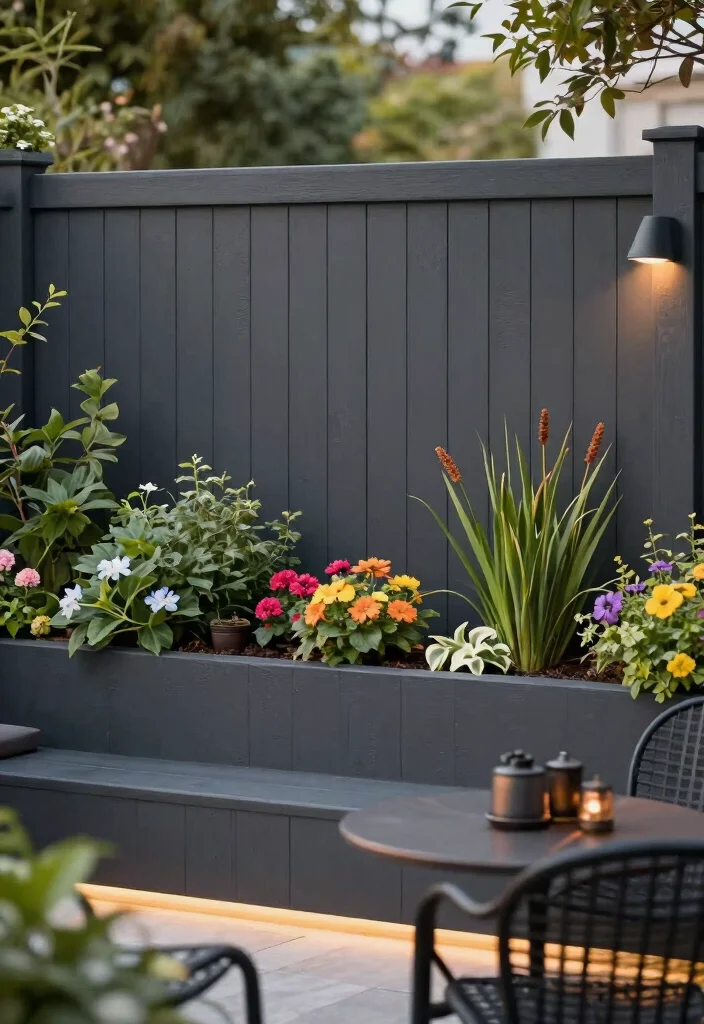
Charcoal gray is a modern choice that brings sophistication and depth to your garden. This darker stain effectively conceals weather damage while adding a stylish aesthetic amid lush greenery. Its durability makes it a smart investment for outdoor maintenance.
Combine charcoal gray with industrial-style decor or wooden furniture for a striking contrast. Dark colors like this can create a cozy atmosphere, inviting relaxation and enjoyment.
Key benefits of charcoal gray:
– Conceals weather damage effectively
– Adds a modern touch to your outdoor space
– Creates a cozy ambiance for relaxation
Selecting charcoal gray will elevate your garden’s style and comfort.
Key Trade-offs & Our Top Pick
Classic Cedar
– Pros:
– Timeless appeal that enhances natural beauty.
– Excellent at masking weather damage and imperfections.
– Cons:
– Requires reapplication every few years to maintain color.
– Can fade in direct sunlight over time.
– Best for: Homeowners looking for a traditional, warm look that complements any outdoor space.
Deep Forest Green
– Pros:
– Blends seamlessly with garden landscapes and foliage.
– Hides dirt and weather wear effectively, keeping the fence looking fresh.
– Cons:
– May not be suitable for all home styles.
– Dark colors can absorb heat, potentially causing wood to warp in extreme temperatures.
– Best for: Gardeners who prioritize a natural aesthetic and want a color that integrates with the environment.
Soft Charcoal
– Pros:
– Provides a modern, sleek look that pairs well with contemporary homes.
– Excellent at concealing stains and blemishes from weather damage.
– Cons:
– Might show dust or dirt more than lighter shades.
– Can appear too stark in rustic or traditional settings.
– Best for: Those aiming for a chic, minimalist appearance in their outdoor areas.
Warm Walnut
– Pros:
– Rich and inviting color that enhances wood’s natural grain.
– Offers a great balance of durability and aesthetic appeal, excellent for weathered wood.
– Cons:
– Needs regular maintenance to prevent fading.
– Can be pricier than some other options.
– Best for: Homeowners wanting a luxurious yet natural look that stands the test of time.
Vibrant Coral
– Pros:
– Eye-catching color that brightens up any yard.
– Great choice for those who want a unique pop of color.
– Cons:
– May not fit all styles and can clash with traditional homes.
– Requires more frequent maintenance to keep the color vibrant.
– Best for: Gardeners looking to make a bold statement or those in vibrant, eclectic neighborhoods.
Expert Recommendation:
Best Overall: Warm Walnut
Warm Walnut stands out as the top choice for most homeowners. Its rich color beautifully enhances the natural wood while effectively hiding weather damage. This fence stain not only provides great value for the money but also offers ease of use and versatility, making it suitable for various styles of homes. With proper care, you can enjoy its beauty for years to come, keeping your outdoor space looking fresh and inviting.
Why We Picked This:
While Warm Walnut is our top pick, those seeking a more modern or natural aesthetic might prefer Soft Charcoal or Deep Forest Green, respectively. Each stain color offers unique benefits and is designed to suit different tastes and needs. Always consider your home’s style, your garden’s environment, and how much maintenance you’re willing to commit to before making a choice.
10. Honey Gold
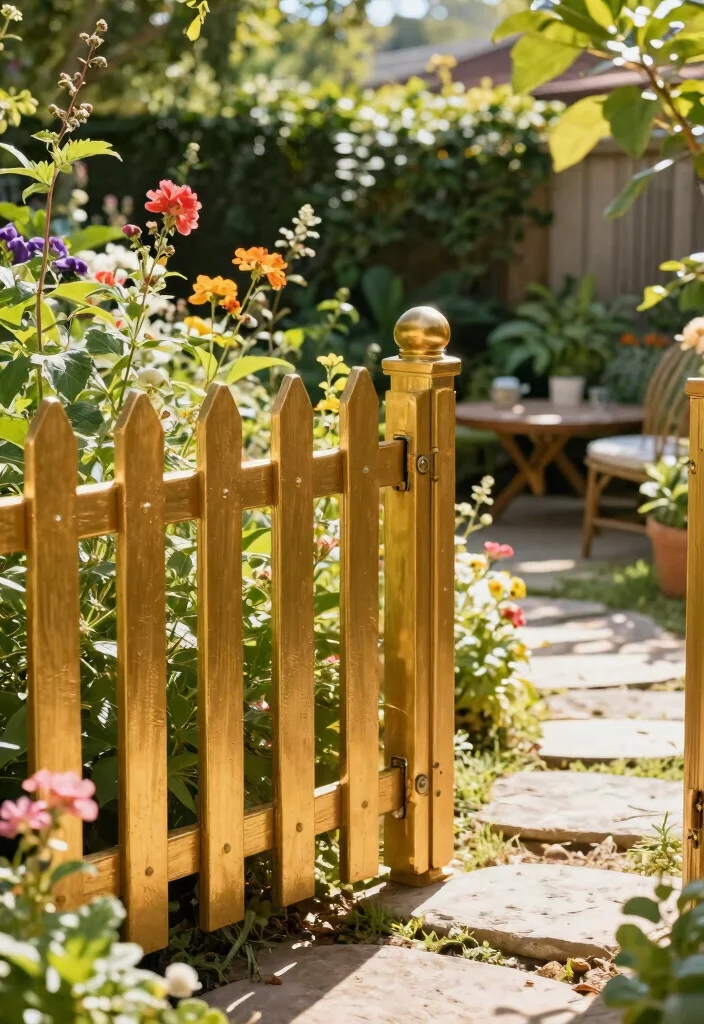
Honey gold infuses warmth and brightness into your garden, creating a welcoming feel. This golden hue effectively masks signs of wear while enhancing the wood’s natural beauty. Eco-friendly options for honey gold stains are available, ensuring a sustainable choice for your outdoor space.
Pair this color with bright blooms for a radiant look. Light shades like honey gold reflect sunlight, keeping your garden bright and reducing fading.
Benefits of honey gold:
– Brings warmth and luminosity to your garden
– Masks signs of wear effectively
– Reflects sunlight for a brighter outdoor space
Choosing honey gold will create a warm and inviting atmosphere in your garden.
11. Antique White
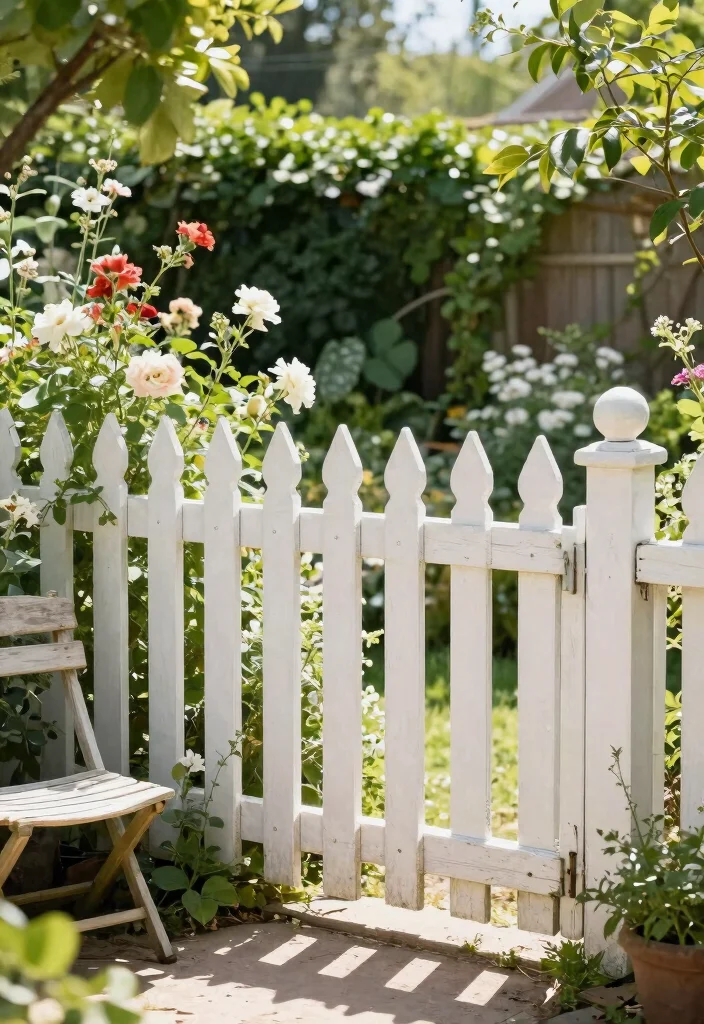
Antique white offers a classic, timeless feel that beautifully enhances your outdoor space. This soft, off-white color is great for hiding imperfections and weather damage, adding elegant charm to any garden. The vintage-inspired look pairs wonderfully with rustic elements, creating an airy and light atmosphere.
Use this color with vintage or shabby-chic garden decor for a cohesive aesthetic. Light colors like antique white can help maintain a cool environment in warmer climates.
Key features of antique white:
– Hides imperfections while offering elegance
– Pairs beautifully with rustic decor
– Keeps spaces cool in hot weather
Opting for antique white will give your garden a graceful and inviting appeal.
12. Slate Blue
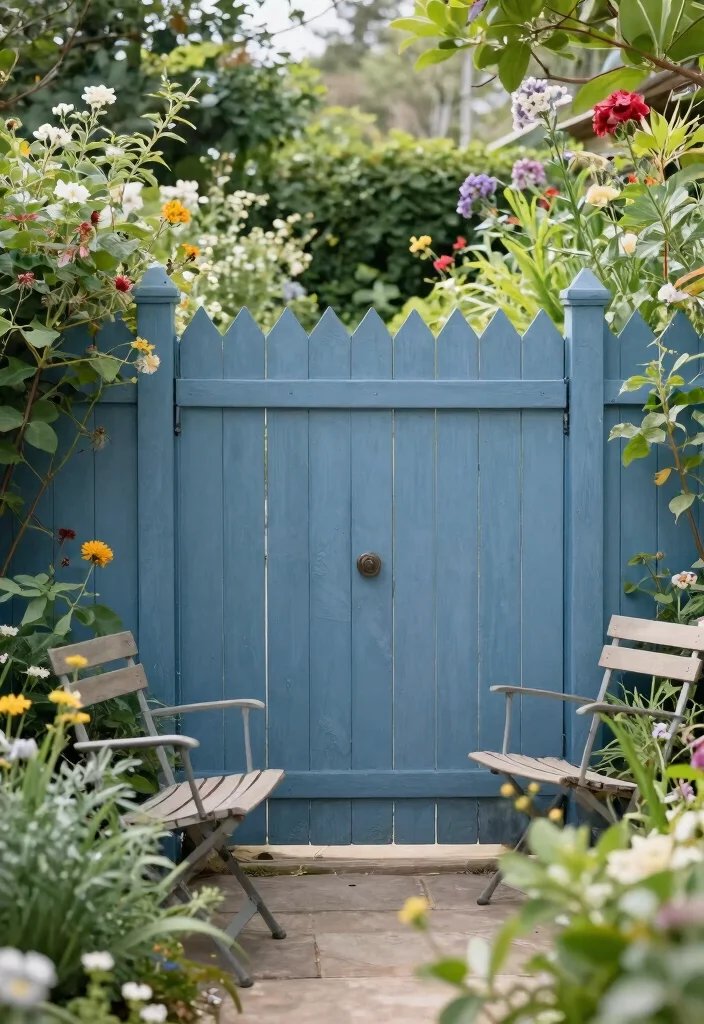
Slate blue is an elegant and soothing color that fits various garden styles. This beautiful shade effectively masks weather damage while providing a calming backdrop for your colorful plants. Associated with tranquility, slate blue is perfect for creating a peaceful garden retreat.
Incorporate this color with neutral-toned outdoor furniture for a balanced and relaxed look. Slate blue can also have a cooling effect, making your garden feel refreshing even in hot weather.
Highlights of slate blue:
– Masks weather damage effectively
– Creates a calming backdrop for vibrant plants
– Provides a refreshing feel on warm days
Choosing slate blue will enhance the serenity of your garden.
13. Olive Green
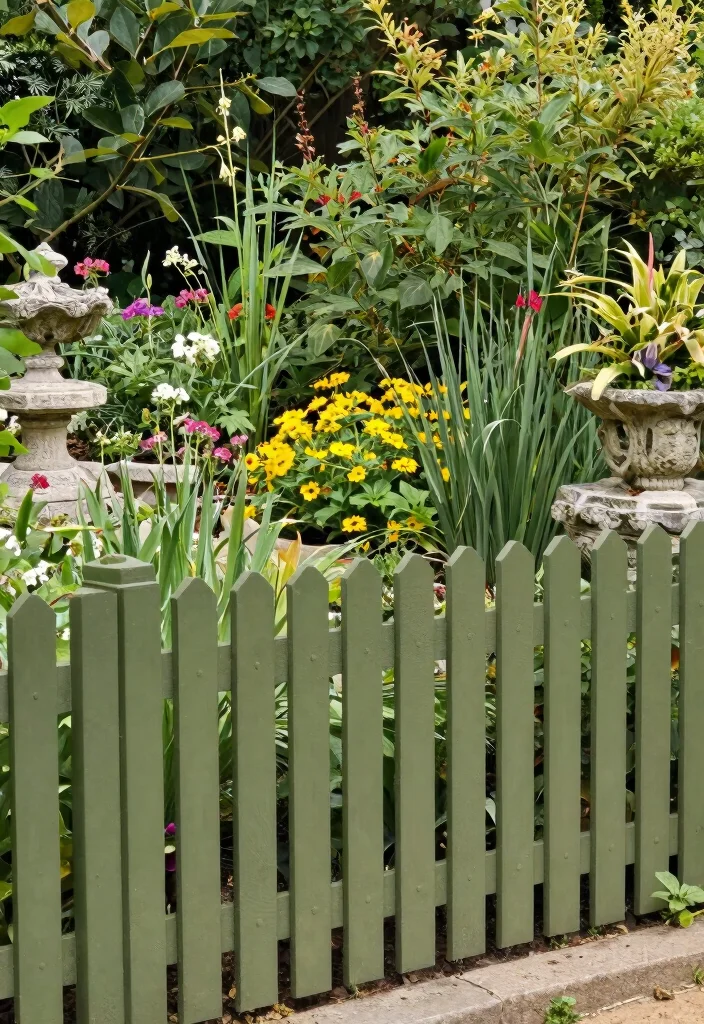
Olive green is a rich, muted color that harmonizes beautifully with nature. This earthy tone effectively conceals years of weather damage while enhancing the organic feel of your garden. Its versatility allows olive green to blend seamlessly with various landscaping styles, making it a favorite among eco-conscious gardeners.
Pair it with wooden or stone accents for a cohesive and natural look. Earthy colors like olive green can also help attract beneficial insects, supporting a sustainable ecosystem.
Benefits of olive green:
– Conceals weather damage with ease
– Enhances organic feel of your garden
– Supports beneficial insects for ecological balance
Selecting olive green will foster a beautiful and sustainable garden environment.
Olive green isn’t just a color—it’s a garden hack. It can hide years of weather damage up to 3x better than bright neutrals, while inviting beneficial insects and thriving with eco-friendly fence stain colors. Pro tip: pair it with wood or stone for a cohesive, sustainable look.
14. Sunset Orange
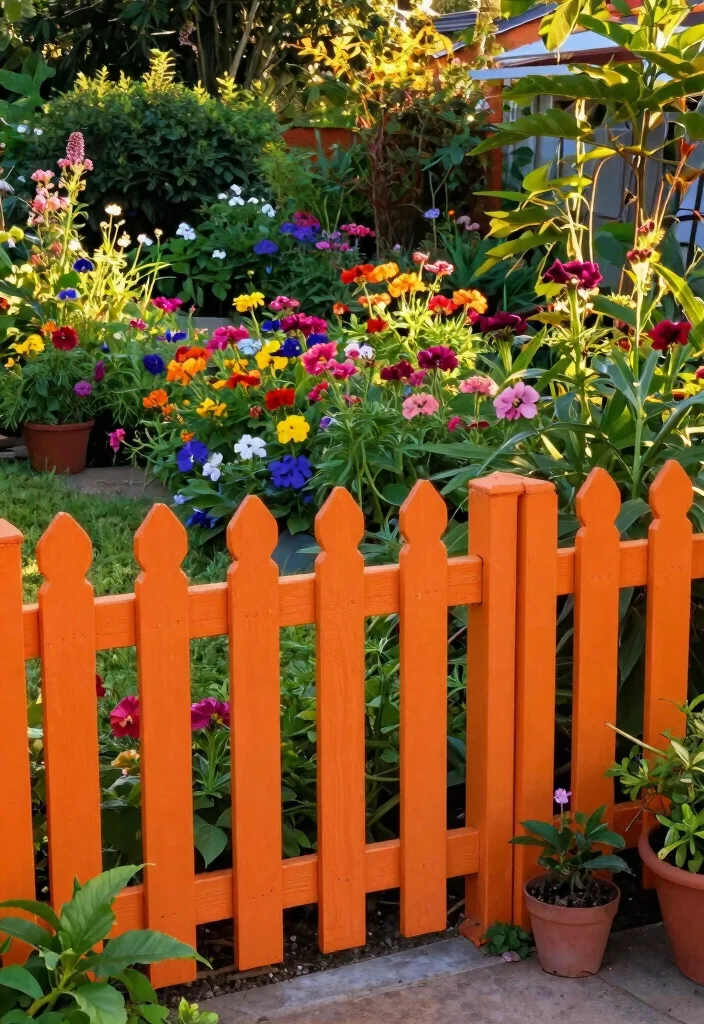
Sunset orange is a bold and vibrant color that can lift your garden’s spirit. This warm hue effectively hides weather damage while injecting happiness and energy into your space. Sunset orange pairs beautifully with various flowers and plants, making your garden feel inviting and lively.
Use this color with green accents or colorful garden decor to enhance the festive ambiance. Bright colors like sunset orange can uplift your mood, encouraging you to spend more time outdoors and enjoy your garden.
Highlights of sunset orange:
– Injects happiness and energy into your garden
– Hides imperfections with a cheerful charm
– Encourages outdoor enjoyment and gardening passion
Choosing sunset orange will transform your garden into a vibrant and joyful sanctuary.
15. Ash Gray
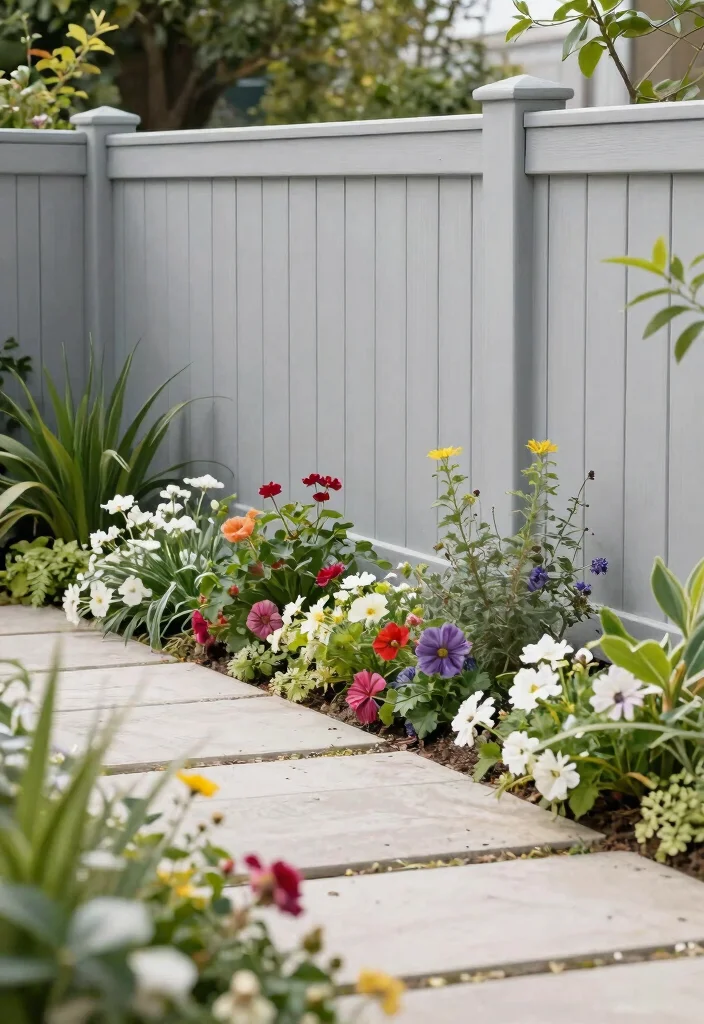
Ash gray is a chic and modern color that brings sophistication to your outdoor area. This light gray shade effectively camouflages weather damage while providing a fresh and clean aesthetic. Eco-friendly options for ash gray stains make it a responsible choice for garden lovers.
It pairs exceptionally well with vibrant flowers, allowing them to stand out beautifully. Lighter shades like ash gray can also brighten smaller garden spaces, making them feel larger and more open.
Benefits of ash gray:
– Offers a sophisticated touch to your garden
– Camouflages weather damage with ease
– Brightens small spaces for an open feel
Opting for ash gray will elevate your garden’s style while creating an airy and inviting atmosphere.
Ash gray hides weather damage beautifully—and with eco-friendly stains, you can refresh your fence without harming the garden. Pro tip: pair ash gray with bright blooms to make small yards feel even larger.
Conclusion
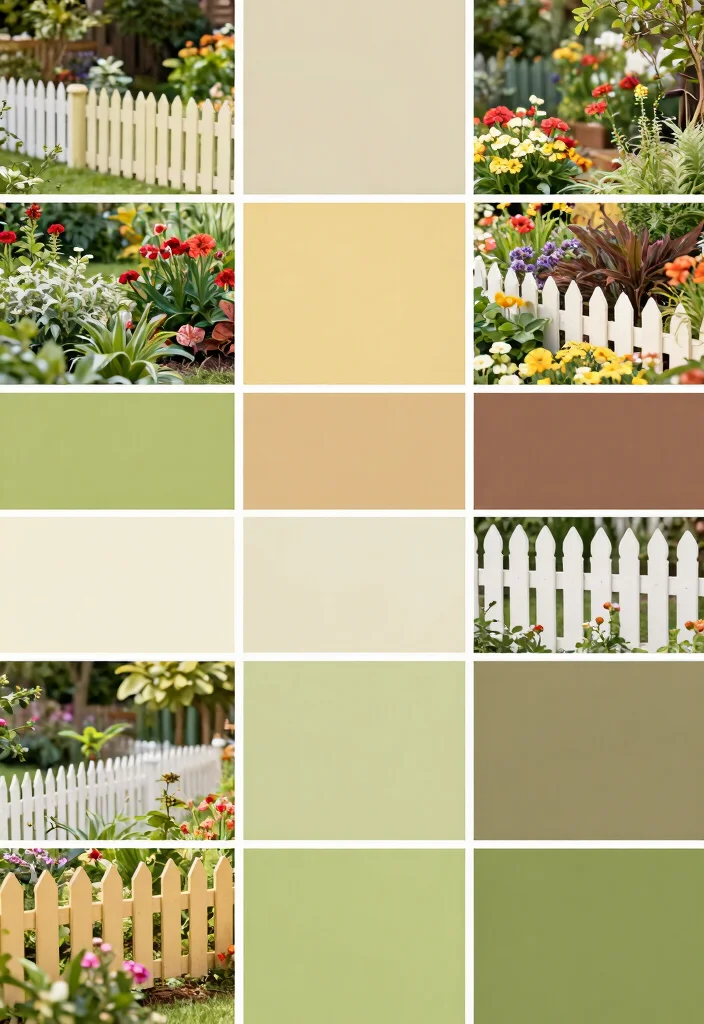
Choosing the right fence stain color can rejuvenate your garden and camouflage years of weather damage.
From classic hues to vibrant shades, each color option provides unique benefits that align with sustainable gardening practices.
Embrace the beauty of eco-friendly fence stain colors, and transform your outdoor space into a vibrant oasis that reflects your personality and values.
Frequently Asked Questions
What are the best fence stain colors that hide years of weather damage while staying eco-friendly?
Start with eco-friendly formulas: look for water-based, low-VOC options labeled as fence stain for weathered wood and offering a weatherproof fence stain barrier.
For colors, choose earthy, muted tones—such as warm beige, cedar, taupe, and soft gray—that blend with garden surroundings and effectively hide sun and rain damage.
Always test the color on a hidden board, apply as directed (usually two coats for best coverage), and pick options that align with fence color trends in sustainable landscapes.
How can I pick fence stain colors that are weatherproof and align with sustainable gardening goals?
Look for weatherproof fence stain formulations that are eco-friendly—prefer water-based, low-VOC stains.
Choose best fence stain colors in neutral earth tones that complement plantings and don’t wash out under sun.
Consider semi-transparent finishes to hide weathered wood while letting grain show.
Always test on a small area, check the can’s label for environmental claims, and plan colors that fit current fence color trends for gardens.
What outdoor fence maintenance steps help preserve fence stain colors in a garden?
Begin with a gentle cleaning to remove dirt and mildew, using a soft brush or gentle cleaner.
Lightly sand rough patches on weathered wood, then rinse and let dry.
Choose a weatherproof fence stain and recoat every 2–4 years depending on sun exposure and moisture.
For eco-friendly gardening, avoid harsh chemicals; use biodegradable cleaners and protect nearby plants with a drop cloth.
Regular maintenance is the best way to maximize fence stain colors and extend outdoor fence maintenance intervals.
Which fence stain color options best hide weathered wood—transparent, semi-transparent, or solid—and how do they affect the look?
Transparent and semi-transparent stains are great for hiding aging wood while preserving some grain; solid stains hide more but can mask texture.
If you want to hide years of weather damage while keeping a natural feel, opt for a semi-transparent stain in a deeper earthy hue.
For the most hiding power, a solid stain in a charcoal or espresso shade can dramatically change the look.
Always test on a hidden panel to see how fence stain colors perform on fence stain for weathered wood.
What practical tips can help me apply eco-friendly fence stain colors while following current fence color trends?
Plan around mild weather and avoid applying in direct sun.
Use eco-friendly tools, such as water-based stains, low-VOC formulas, and reusable brushes.
Prep by cleaning and letting wood dry completely.
Work in small sections, follow grain, and apply thin coats—usually two coats for best results.
Test color with a sample and compare against popular fence color trends in sustainable gardening, such as driftwood gray, cedar, or muted green.
Clean up with water and recycle materials to keep the project aligned with outdoor fence maintenance and green living.
Related Topics
fence stain colors
weatherproof fence stain
sustainable gardening
outdoor maintenance
eco-friendly products
best fence stains
fence color trends
weathered wood care
beginner friendly
DIY fence projects
seasonal upkeep
easy outdoor upgrades